


















Les Mills
Les Mills
Les Mills
Follow Health Club Management on Twitter Like Health Club Management on Facebook Join the discussion with Health Club Management on LinkedIn
FITNESS, HEALTH, WELLNESS

features

Insight: Healthy competition

What can the fitness industry and the weight management sector learn from one another? Sarah Lloyd consults some of the key players
Published in Health Club Management 2022 issue 1
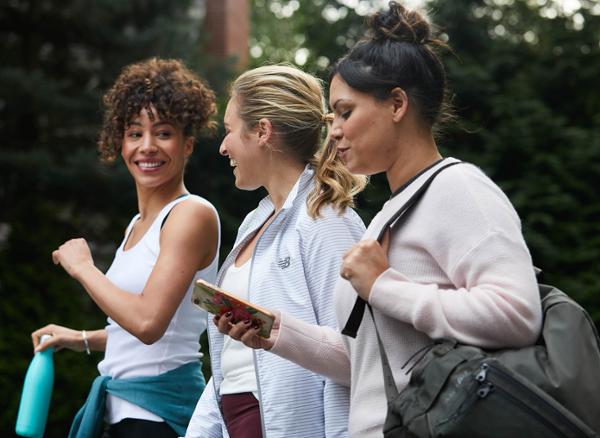
WW customers can now add ‘points’ through physical activity / Weight Watchers

Researchers from the Universities of Arizona and Virginia argue that a focus on fitness rather than weight loss gives better overall health outcomes for people who want to lose weight, but many in the fitness industry acknowledge that the sector needs to do better when it comes to engaging with people who are struggling with obesity.

Some operators in the weight management sector have adjusted their approach to include references to exercise, with WW (Weight Watchers) having added exercise to its ‘points’ system for the first time – WW members now have the ability to add points to their daily food ‘budget’ by doing physical activity.

Both the fitness and weight management sectors are contributing to the health of people around the world, so after years of competing and proposing alternative approaches, is it time for a reboot when it comes to how these sectors collaborate and share expertise? We round-up views and insights and ask what approaches are proving most effective.
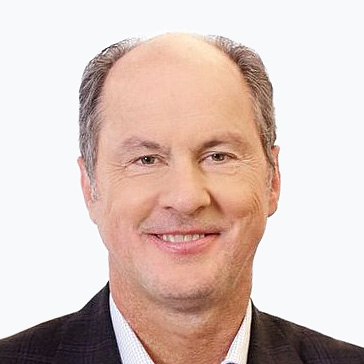
Dr Gary Foster
Chief scientific officer, WW (Weight Watchers)

WW takes learnings from cognitive behavioural, acceptance-based and positive psychology sciences to offer a system that helps members develop awareness, shift how they think about their overall lifestyle and how they think about themselves.

Mindset, food, physical activity and sleep are all critically important for health. Ten to 15 years ago, WW would have only seen physical activity as a means of helping someone to lose weight. Now we educate members on the benefits of it for preventing diseases such as diabetes and cancer, prolonging life expectancy, plus the additional benefits to a person’s self-esteem, mental health and quality of life. The days of just focusing on food, weight and size are over.

We recently launched a totally customisable programme called Persona Points, where every member has a unique Personal Points budget with food and activity targets and their own Zero Point foods list, based on the foods they love and can’t live without, to help them stay full and feel satisfied.

Not all calories are created equal, and that’s why Personal Points goes beyond calories to focus on the overall nutritional profile of a food to help guide members toward a healthier pattern of eating. For the first time, members also have the ability to add points to their daily budget through physical activity, drinking water and eating non-starchy vegetables. It reinforces the importance of a healthy lifestyle balance – what’s in your head is as important as what’s on your plate, and we constantly celebrate ‘non-scale’ victories, such as improved energy and mobility, and increased confidence.

Our members complete health questionnaires on diet and physical activity – for example, do you think of exercise in terms of steps or minutes? What are your favourite snacks? Do you drink alcohol? What do you think exercise is? Plus we assess how active they are now, and give members customisable goals. We don’t focus on reaching government guidelines or a minimum number of steps overnight. Instead, we take people from where they currently are and aim to increase that gradually. If a member is achieving 3,000 steps, asking them to do 10,000 is unachievable. The smaller and more specific the goal is, the more likely they are to reach it. We ask our members to move in ways that move them. Physical activity shouldn’t feel like a duty, it should feel like a gift you are giving yourself.

WW has a strong relationship with organisations in the fitness sector. We’re not competing with them, as ultimately we share the same goals. We’ve partnered with Obé Fitness to offer on-demand video content within the WW app, with workouts for all interests and intensity levels, including sculpt, yoga and dance cardio.

The fitness sector could learn from WW about the value of personalisation and the ability to ‘meet people where they are’. It’s important to appreciate that all activity has value, and that some activity is better than none.
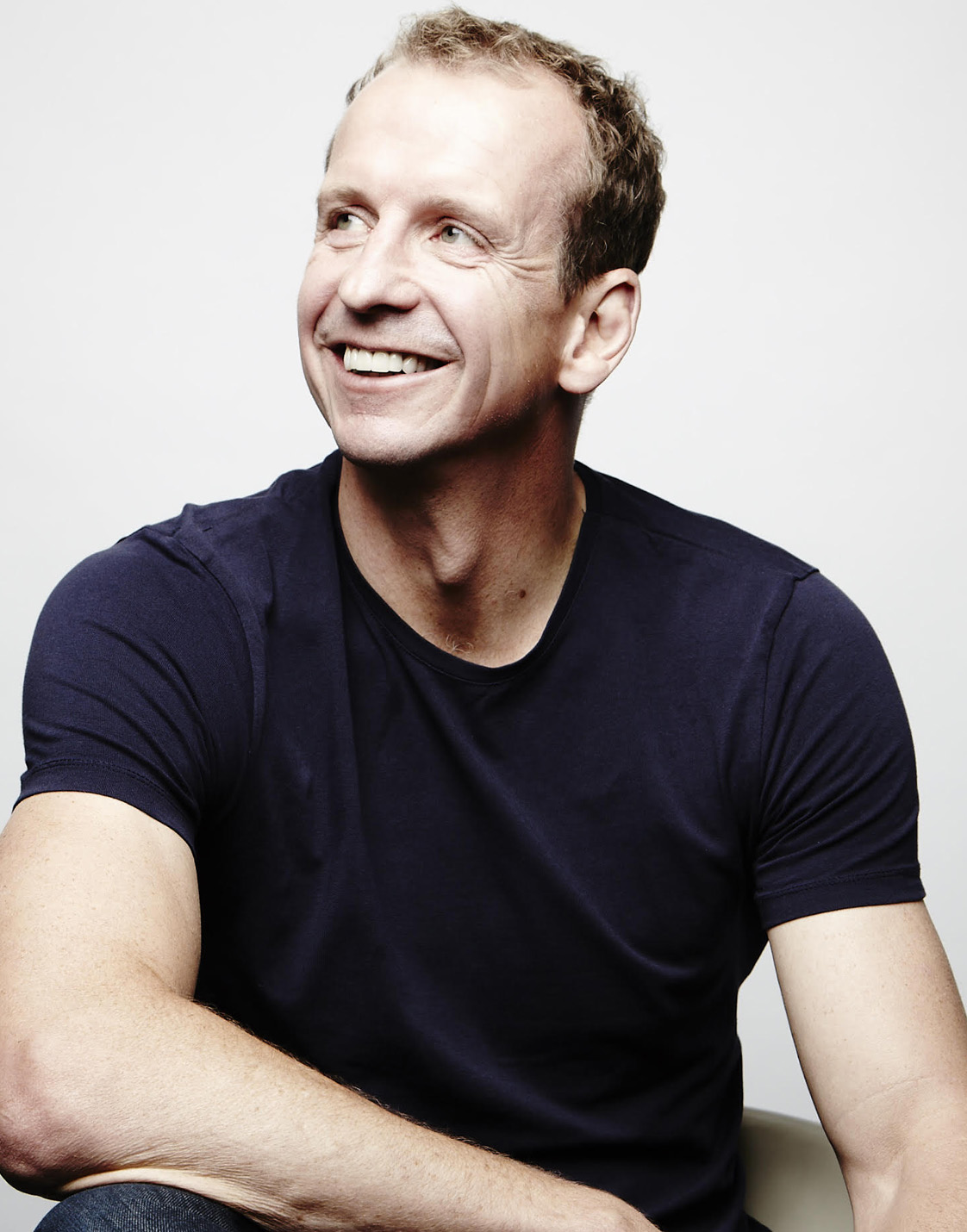
The fitness sector could learn from us when it comes to the value of personalisation and the ability to ‘meet people where they are’
Greg Whyte
Professor of applied sport and exercise Liverpool John Moores University (LJMU)
Credit: LJMU

Over the last 10 years, we’ve seen some parts of the diet industry using divisive statements, such as ‘you can’t outrun a bad diet’, rather than promoting all aspects of a healthy lifestyle. To some people, these types of statements will suggest physical activity is of no value to them when they’re trying to manage their weight.

It’s essential that both the diet and fitness sectors get their messaging right, that it’s tangible, and that both activity and diet work in combination, not in isolation.

We must be careful not to pitch different behaviours that support health against each other. It’s true that unless you fix your diet, weight management is going to be problematic, but unless you include physical activity in that intervention you’re less likely to be successful and maintain weight loss. The real, responsible messaging should be about long-term lifestyle modification.

The weight-loss sector is full of so-called ‘experts’ who often use inflammatory language, claiming miracle weight loss through low fat or high-fat diets, low carb or high fibre diets, or shakes and pills. You name it, there’s a plan, and this onslaught of noise can be overwhelming – especially on social media.

The World Health Organization’s definition of health is not just freedom from disease but includes mental, emotional and social good health.

Exercise promotes social and emotional health, whether that’s going out walking or down to the gym. All forms of exercise are good for you, and this simple message shouldn’t get buried in weight management. Messaging needs to incorporate overall wellbeing, including stopping smoking, reducing alcohol, improving sleep and working to improve gut flora, mental and emotional health – all of which help reduce all-cause mortality.

Our society is weight-obsessed. It should be health obsessed.
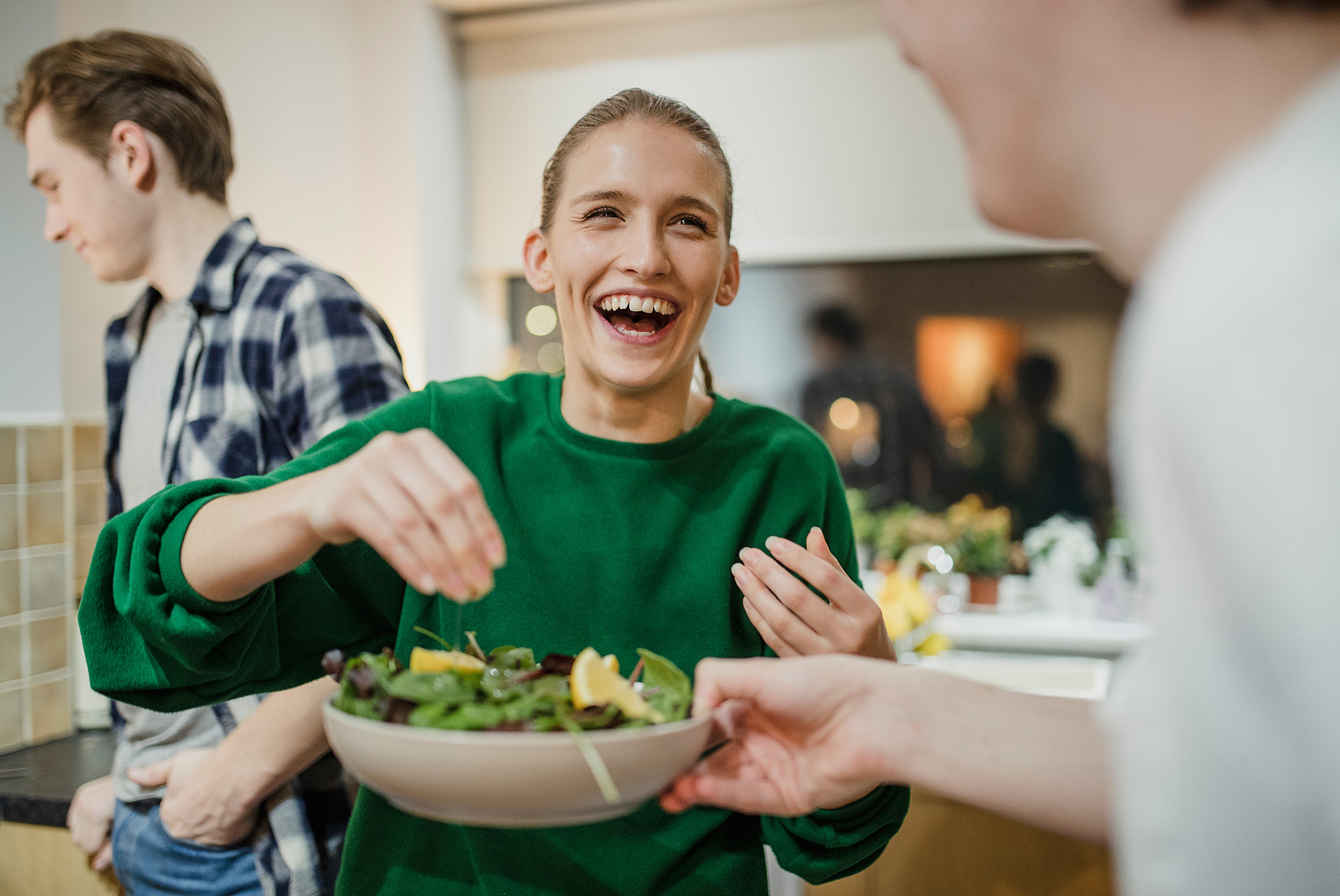
Our society is weight-obsessed. It should be health-obsessed
Lifestyle changes must go beyond food and exercise modifications / photo: dgl images - shutterstock
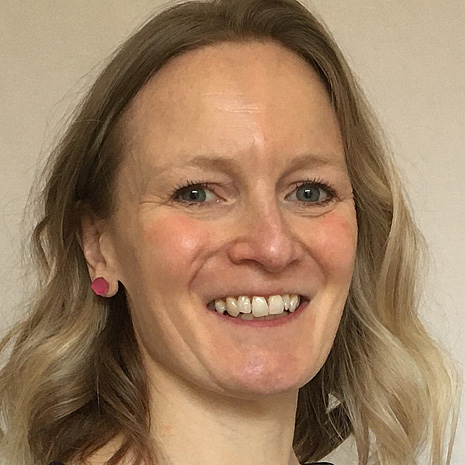
Dr Jacquie Lavin
Head of research and scientific affairs Slimming World
Jacquie Levin – Slimming World

We partner with the Office for Health Improvement and Disparities in the UK on the Better Health campaign and fully understand the transformative positive impact losing weight and increasing physical activity can have on someone’s life.

We’ve been working with the NHS since 1999 and pioneered ‘slimming on referral’.

However, when it comes to exercise, some people with a weight problem don’t have the confidence to get started. Our members often say they feel uncomfortable at the gym; they don’t know where to start or how to use the equipment and they worry about whether they’ll fit in. They’re concerned they won’t be able to do exercises correctly or keep up, that they’ll get too hot and sweaty, feel exposed or self-conscious, and that it’s going to hurt. We recognise and understand these fears.

While our programme consistently talks about the overall health benefits of losing weight, more often than not, if you ask someone why they want to lose weight it’s because they want to feel more confident, wear a smaller clothes size and not feel held back by their weight.

We support them in achieving this and as a consequence of successful weight loss, they also see improvements in their physical health.

We know being active can also help improve health and wellbeing, which is why we launched our Body Magic programme back in 2003 with the help of Ken Fox, a professor of exercise and health at the University of Bristol, who’s also advised the UK government on physical activity, behaviour change and obesity. Body Magic ‘hand holds’ our members across the physical activity threshold, breaking down barriers and helping members gradually increase how much they move, without telling them what they ‘have’ to do. Instead, it’s about helping members find something they enjoy that fits in with their lifestyle.

During our Body Magic focus groups, we were amazed to discover how many Slimming World members knew the government’s physical activity targets. But the clear message was they felt so far away from that goal, in their minds, there was no point even starting.

Body Magic is a behavioural support programme, not an exercise programme and aims to redefine what our members typically think exercise is. We help members overcome their fears and any barriers they feel when it comes to getting started.

We look at what they might already be doing – for example, short walks – and offer praise for this, using it as a starting point to build on bringing physical activity into their everyday lives until it becomes a habit.

It’s one of the reasons we’ve launched our online Body Magic exercise programme. We’re not looking to run weekly ‘fitness classes’ in village halls, but we can inform, inspire and educate our members who trust our voice, our methods and our behavioural approach in designing specialist, bespoke content for their needs.

We’ve always shared activity tips and encouraged members to share their experiences to help inspire and motivate others in the group. Members self-report their activity and get awards for each step they take. Our insights showed there was demand for more online resources at every stage of being active. We also wanted to offer resources that were fully accessible and available to people who may have a health condition.

Slimming World members know the government’s physical activity targets, but they feel so far away from that goal there’s no point even starting
Slimming World’s Body Magic plan focuses on behaviour change / Slimming World
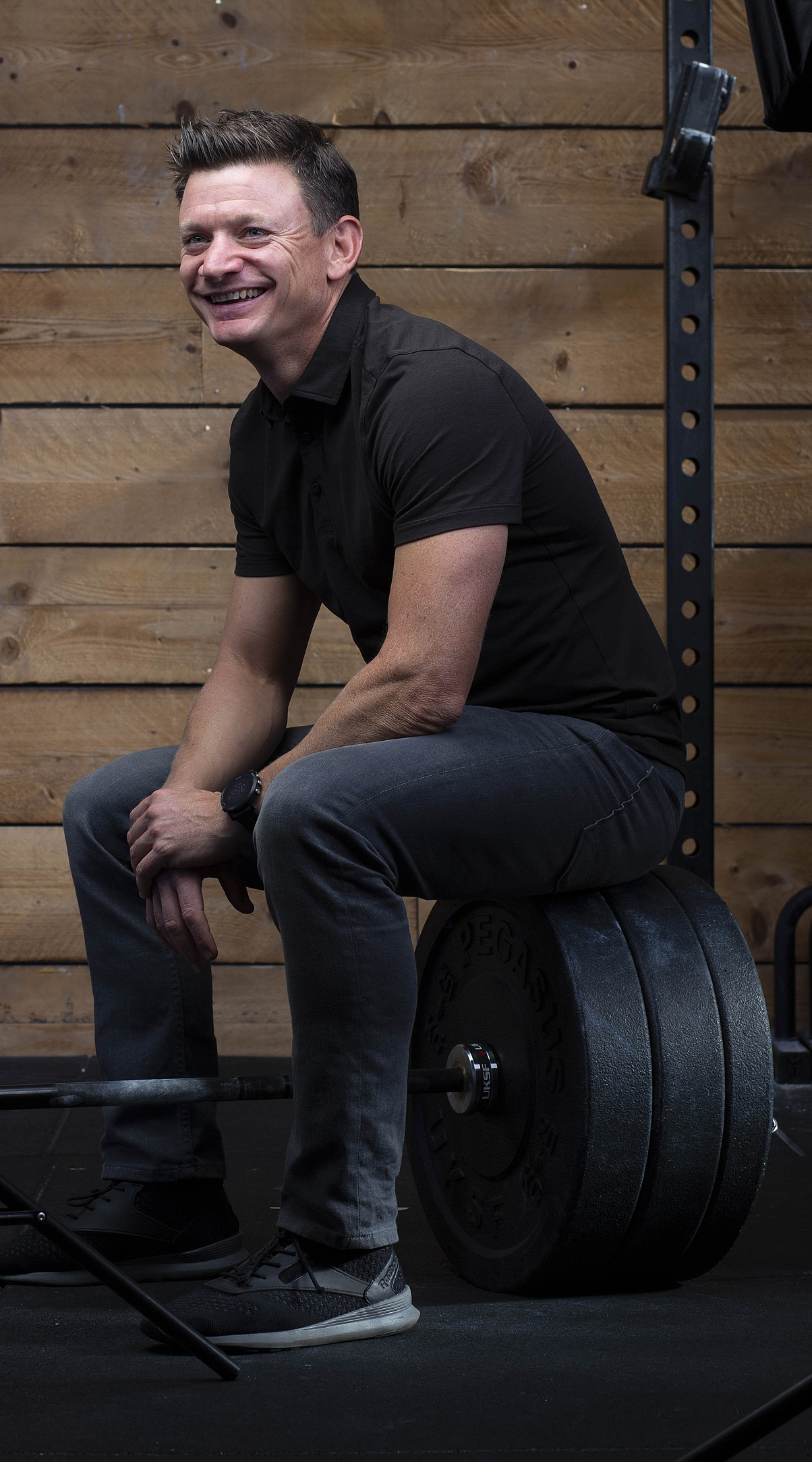
David Langridge
MD, 1FitLife
Operators must create content that attracts ‘hard-to-reach’ groups / David Langridge – 1FitLife

We’ve created 52 videos for Slimming World’s online Body Magic programme that aim to give users physical literacy and a nurtured baseline of confidence.

They’re all a gentle introduction to low-intensity exercise; a taster of what activity looks like that supports the development of an activity habit. The point of Body Magic is that it’s not daunting; it builds on small behaviour changes that are encouraged, not demanded, and it doesn’t assume people have any interest in or understanding of exercise.

The content is pitched completely differently from the high-end workouts we’ve filmed on behalf of fitness brands, which are geared up to support and challenge members at home and in-club. For Slimming World, the videos are filmed in attainable segments of five, 10 and 15 minutes, so users can dip in and out without feeling they’ve been set up to fail. At the end of each five-minute segment, we give people the option of stopping or resting and then continuing with another five-minute round if they feel good to go on.

The language and tone of voice used by our instructors are extremely important. They’re warm, friendly and reassuring, and range in age from mid-20s into their 70s, so there’s something and someone for everyone. Online fitness is perfect for people who are new to exercise and weight loss. If you’re overweight and unfit, the thought of having to put on workout gear and set foot in a gym is unrealistic for some. Training at home allows people to feel safe and once they’ve gained confidence, they’re more likely to join a mainstream health club or leisure centre.

With over 50 years experience, Slimming World supports hundreds of thousands of people – both in groups and online – who are more likely to be physically illiterate and may suffer from long-term chronic health conditions.

Gym operators and leisure centres struggle to connect with this market. The content they create tends to assume new customers have an understanding of physical activity and are confident to walk through the doors; this strategy can intimidate and stop this ‘hard-to-reach’ group on their fitness journey before they’ve even started.

The fitness industry should be asking itself what can it learn from Slimming World. Who else is engaging and inspiring this audience successfully?

Small behaviour changes are encouraged, not demanded
Dr Paula Watson
Reader in exercise and health psychology, LJMU

The benefits of physical activity go far beyond weight loss. Research shows physical activity is good for everyone, and that you’re better off being overweight and active, than slim and inactive. A culture that’s obsessed with ‘the skinny’ and the body beautiful isn’t going to stop the growth of obesity.

I’d like to see more people adopting a holistic lifestyle approach, living sustainable, healthy lives in the long term that impact not only the individual but their family around them.

The concept of a diet that lasts for 12 weeks or six months sets people up to fail. A target weight or a goal might keep people focussed in the short-term, but ultimately once you’ve reached that ‘perfect weight’, more often than not the diet stops and the weight goes back on.

It also doesn’t change family habits, and with obesity often running through generations we need to ditch the scales and think about portion control, a nutritious and unprocessed diet, plus incorporating and normalising physical activity into everyday life.

It’s not a quick fix. We need to stop demonising both food and physical activity. Narratives such as ‘no pain no gain’ are unhelpful, and present physical activity as a punishment. Ultimately it must be something people look forward to and enjoy – be that walking with a friend, a bike ride with the family or playing walking football.

A good first step would be to change the language we use. So instead of ‘beach body ready’ or ‘new year, new you’ messages which focus on what a person looks like, promoting the healthy lifestyle message; being happier, more able to participate in life and chasing after children or grandchildren.

Facilities could also look to provide enjoyable activities that families can do together, as well as low intensity and beginner classes that cater for people who aren’t confident in a ‘gym’ setting. Parkrun is a great example – there are minimal barriers to participation, the activities are free, people can run wherever they happen to be – and there’s a 2km children’s run.

If someone has a dysfunctional relationship with food, whether they’re an emotional eater, a bored eater or a compulsive eater, there’s a bigger battle to overcome than just weight loss; they need to improve their relationship with food and be supported to reinterpret what healthy eating looks like and what physical activity can be.

Some of these changes might require a cultural shift, and health and fitness operators might consider seeking support from exercise psychologists. It’s a new and growing field, and I’m increasingly working with individuals, practitioners and facilities to promote physical activity in a healthy way.

We need to stop demonising both food and physical activity
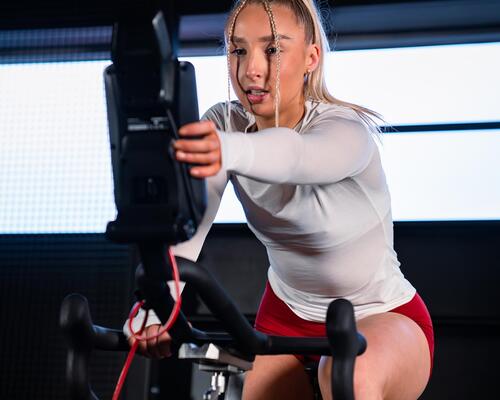
Programmes should focus on long-term habit change, not quick results / Rido – shutterstock
https://www.leisureopportunities.co.uk/images/2022/609980_905876.jpg
What can the fitness industry and the weight management sector learn from each other? Our experts discuss
HCM magazine
Small improvements to sleep, diet and physical activity have major benefits for the heart, according to new research from the University of Sydney
HCM magazine
Strength training is evolving, driven by changing consumer preferences. Julie Cramer talks to innovators about how their products are meeting this demand
HCM magazine
If the health service is to survive, we must recognise that it is a disease service – and that wellbeing rests with us, says the activity advocate and healthy ageing champion. He talks to Kate Cracknell
HCM magazine
Collaborations with the medical profession and greater aspirations around wellbeing are creating a need for more experts in our sector. It’s time to reboot our thinking around the workforce
HCM magazine
I experienced a blissful feeling of joy I hadn’t felt since I was a kid
HCM promotional features
Sponsored
Greg Bradley looks at the shift towards strength training in gyms and advises on how operators can create the ultimate training environment
HCM promotional features
Sponsored
Find out how your gym can tap into the corporate wellness boom
HCM promotional features
Sponsored
Third Space partnered with IndigoFitness to deliver a bespoke training space for its new club at The Whiteley
HCM promotional features
Sponsored
David Lloyd is stepping up its commitment to women’s health as it continues to explore what fit-for-purpose looks like for the female population
HCM promotional features
Sponsored
SnowDome Fitness has added 50 per cent more space with cutting-edge Technogym solutions
HCM promotional features
Sponsored
Starpool supports Olympic champion Marcell Jacobs, says Riccardo Turri
HCM promotional features
Sponsored
EGYM has opened a new HQ in Paternoster Square, London and revealed a range of new launches
HCM promotional features
Promotion
Performance Health Systems, manufacturer of Power Plate, has a new CEO, with an ambitious vision for the company
HCM promotional features
Promotion
BLK BOX has been reimagining elite performance spaces for more than a decade. Founder and former athlete, Greg Bradley, tells us what it takes
HCM promotional features
Latest News
Technogym has announced the launch of the Run X World Treadmill Championship, the first world ...
Latest News
Shocked by the UK loneliness statistics, charitable trust Mytime Active has been doubling down on ...
Latest News
Portugal’s leading operator, SC Fitness, is celebrating a milestone by reaching 100 gyms.  The company ...
Latest News
Australia’s fast-growing fitness network, Viva Leisure, is adding a low-cost gym brand to its already ...
Latest News
Speedflex has launched a strength training programme for 10 to 16-year-olds, to make it safer, ...
Latest News
Tewinbury Farm Hotel in Hertfordshire, UK is expanding its premium leisure proposition with the launch ...
Latest News

Work is underway in Madrid on one of Europe’s most significant multi-functional complexes, ...

Latest News
PureGym is encouraging people to step away from their screens and go for a walk, ...
Opinion
promotion
Strength training has moved from the margins to the mainstream.
Opinion: Building smarter strength spaces for today’s operators
Featured supplier news
Featured supplier news: Reaching the people most gyms miss: Bedford Gym & Swim Campaign delivers 410 new members
One of the biggest mistakes the fitness industry still makes is advertising almost exclusively to people who already look and live like gym members.
Featured supplier news
Featured supplier news: W3Fit EMEA celebrates its fifth anniversary
Celebrating its milestone 5th anniversary, W3Fit EMEA returns in 2026 with an unmissable gathering of the Health & Fitness industry’s most influential leaders.
Company profiles
Company profile: Future Fit
Since 1993, Future Fit have been consistently raising the bar when it comes to training ...
Company profiles
Company profile: Vor Technologies Ltd
Vor is the world’s most powerful workout generation tool, transforming how fitness businesses deliver personalised ...
Supplier Showcases
Supplier Showcase - Future-proofing
Catalogue Gallery
Click on a catalogue to view it online
Featured press releases
ukactive press release: Are they Fit for Office? UK Active and Technogym throw down the gauntlet to MPs
Hundreds of staff, MPs and Peers from across Westminster have signed up for the Fit for Office parliamentary physical activity challenge, which takes place throughout June and is hosted by ukactive and Technogym.
Featured press releases
Innerva press release: Lex Leisure’s power-assisted exercise suite smashes targets in record time
Crook Log Leisure Centre has more than doubled the membership target for its new power- assisted exercise suite in less than six months.
Directory
Industrial washing machines
Miele Company Limited: Industrial washing machines
Hot tubs
MSpa International Ltd: Hot tubs
Spa and beauty equipment
Living Earth Crafts: Spa and beauty equipment
Lockers
Crown Sports Lockers: Lockers
Water experiences and hydrotherapy solutions
Aquaform s.r.l.: Water experiences and hydrotherapy solutions
Fitness tracking platform
SpiviTech: Fitness tracking platform
Property & Tenders
Stratford, East London.
Lee Valley Regional Park Authority
Property & Tenders
Y Felinheli, LL56 4QN
Newmark
Property & Tenders
Diary dates
13-13 Jun 2026
Worldwide, Various,
Diary dates
21-24 Sep 2026
The Langham Huntington Pasadena , Pasadena, United States
Diary dates
06-08 Oct 2026
Messe Stuttgart, Stuttgart, Germany
Diary dates
22-22 Oct 2026
QEII Conference Centre, London,
Diary dates
26-29 Oct 2027
Koelnmesse Exhibition Centre, Cologne, Germany
Diary dates

features

Insight: Healthy competition

What can the fitness industry and the weight management sector learn from one another? Sarah Lloyd consults some of the key players

Published in Health Club Management 2022 issue 1
WW customers can now add ‘points’ through physical activity / Weight Watchers

Researchers from the Universities of Arizona and Virginia argue that a focus on fitness rather than weight loss gives better overall health outcomes for people who want to lose weight, but many in the fitness industry acknowledge that the sector needs to do better when it comes to engaging with people who are struggling with obesity.

Some operators in the weight management sector have adjusted their approach to include references to exercise, with WW (Weight Watchers) having added exercise to its ‘points’ system for the first time – WW members now have the ability to add points to their daily food ‘budget’ by doing physical activity.

Both the fitness and weight management sectors are contributing to the health of people around the world, so after years of competing and proposing alternative approaches, is it time for a reboot when it comes to how these sectors collaborate and share expertise? We round-up views and insights and ask what approaches are proving most effective.

Dr Gary Foster
Chief scientific officer, WW (Weight Watchers)

WW takes learnings from cognitive behavioural, acceptance-based and positive psychology sciences to offer a system that helps members develop awareness, shift how they think about their overall lifestyle and how they think about themselves.

Mindset, food, physical activity and sleep are all critically important for health. Ten to 15 years ago, WW would have only seen physical activity as a means of helping someone to lose weight. Now we educate members on the benefits of it for preventing diseases such as diabetes and cancer, prolonging life expectancy, plus the additional benefits to a person’s self-esteem, mental health and quality of life. The days of just focusing on food, weight and size are over.

We recently launched a totally customisable programme called Persona Points, where every member has a unique Personal Points budget with food and activity targets and their own Zero Point foods list, based on the foods they love and can’t live without, to help them stay full and feel satisfied.

Not all calories are created equal, and that’s why Personal Points goes beyond calories to focus on the overall nutritional profile of a food to help guide members toward a healthier pattern of eating. For the first time, members also have the ability to add points to their daily budget through physical activity, drinking water and eating non-starchy vegetables. It reinforces the importance of a healthy lifestyle balance – what’s in your head is as important as what’s on your plate, and we constantly celebrate ‘non-scale’ victories, such as improved energy and mobility, and increased confidence.

Our members complete health questionnaires on diet and physical activity – for example, do you think of exercise in terms of steps or minutes? What are your favourite snacks? Do you drink alcohol? What do you think exercise is? Plus we assess how active they are now, and give members customisable goals. We don’t focus on reaching government guidelines or a minimum number of steps overnight. Instead, we take people from where they currently are and aim to increase that gradually. If a member is achieving 3,000 steps, asking them to do 10,000 is unachievable. The smaller and more specific the goal is, the more likely they are to reach it. We ask our members to move in ways that move them. Physical activity shouldn’t feel like a duty, it should feel like a gift you are giving yourself.

WW has a strong relationship with organisations in the fitness sector. We’re not competing with them, as ultimately we share the same goals. We’ve partnered with Obé Fitness to offer on-demand video content within the WW app, with workouts for all interests and intensity levels, including sculpt, yoga and dance cardio.

The fitness sector could learn from WW about the value of personalisation and the ability to ‘meet people where they are’. It’s important to appreciate that all activity has value, and that some activity is better than none.

The fitness sector could learn from us when it comes to the value of personalisation and the ability to ‘meet people where they are’
Greg Whyte
Professor of applied sport and exercise Liverpool John Moores University (LJMU)
Credit: LJMU

Over the last 10 years, we’ve seen some parts of the diet industry using divisive statements, such as ‘you can’t outrun a bad diet’, rather than promoting all aspects of a healthy lifestyle. To some people, these types of statements will suggest physical activity is of no value to them when they’re trying to manage their weight.

It’s essential that both the diet and fitness sectors get their messaging right, that it’s tangible, and that both activity and diet work in combination, not in isolation.

We must be careful not to pitch different behaviours that support health against each other. It’s true that unless you fix your diet, weight management is going to be problematic, but unless you include physical activity in that intervention you’re less likely to be successful and maintain weight loss. The real, responsible messaging should be about long-term lifestyle modification.

The weight-loss sector is full of so-called ‘experts’ who often use inflammatory language, claiming miracle weight loss through low fat or high-fat diets, low carb or high fibre diets, or shakes and pills. You name it, there’s a plan, and this onslaught of noise can be overwhelming – especially on social media.

The World Health Organization’s definition of health is not just freedom from disease but includes mental, emotional and social good health.

Exercise promotes social and emotional health, whether that’s going out walking or down to the gym. All forms of exercise are good for you, and this simple message shouldn’t get buried in weight management. Messaging needs to incorporate overall wellbeing, including stopping smoking, reducing alcohol, improving sleep and working to improve gut flora, mental and emotional health – all of which help reduce all-cause mortality.

Our society is weight-obsessed. It should be health obsessed.
Our society is weight-obsessed. It should be health-obsessed
Lifestyle changes must go beyond food and exercise modifications / photo: dgl images - shutterstock
Dr Jacquie Lavin
Head of research and scientific affairs Slimming World
Jacquie Levin – Slimming World

We partner with the Office for Health Improvement and Disparities in the UK on the Better Health campaign and fully understand the transformative positive impact losing weight and increasing physical activity can have on someone’s life.

We’ve been working with the NHS since 1999 and pioneered ‘slimming on referral’.

However, when it comes to exercise, some people with a weight problem don’t have the confidence to get started. Our members often say they feel uncomfortable at the gym; they don’t know where to start or how to use the equipment and they worry about whether they’ll fit in. They’re concerned they won’t be able to do exercises correctly or keep up, that they’ll get too hot and sweaty, feel exposed or self-conscious, and that it’s going to hurt. We recognise and understand these fears.

While our programme consistently talks about the overall health benefits of losing weight, more often than not, if you ask someone why they want to lose weight it’s because they want to feel more confident, wear a smaller clothes size and not feel held back by their weight.

We support them in achieving this and as a consequence of successful weight loss, they also see improvements in their physical health.

We know being active can also help improve health and wellbeing, which is why we launched our Body Magic programme back in 2003 with the help of Ken Fox, a professor of exercise and health at the University of Bristol, who’s also advised the UK government on physical activity, behaviour change and obesity. Body Magic ‘hand holds’ our members across the physical activity threshold, breaking down barriers and helping members gradually increase how much they move, without telling them what they ‘have’ to do. Instead, it’s about helping members find something they enjoy that fits in with their lifestyle.

During our Body Magic focus groups, we were amazed to discover how many Slimming World members knew the government’s physical activity targets. But the clear message was they felt so far away from that goal, in their minds, there was no point even starting.

Body Magic is a behavioural support programme, not an exercise programme and aims to redefine what our members typically think exercise is. We help members overcome their fears and any barriers they feel when it comes to getting started.

We look at what they might already be doing – for example, short walks – and offer praise for this, using it as a starting point to build on bringing physical activity into their everyday lives until it becomes a habit.

It’s one of the reasons we’ve launched our online Body Magic exercise programme. We’re not looking to run weekly ‘fitness classes’ in village halls, but we can inform, inspire and educate our members who trust our voice, our methods and our behavioural approach in designing specialist, bespoke content for their needs.

We’ve always shared activity tips and encouraged members to share their experiences to help inspire and motivate others in the group. Members self-report their activity and get awards for each step they take. Our insights showed there was demand for more online resources at every stage of being active. We also wanted to offer resources that were fully accessible and available to people who may have a health condition.
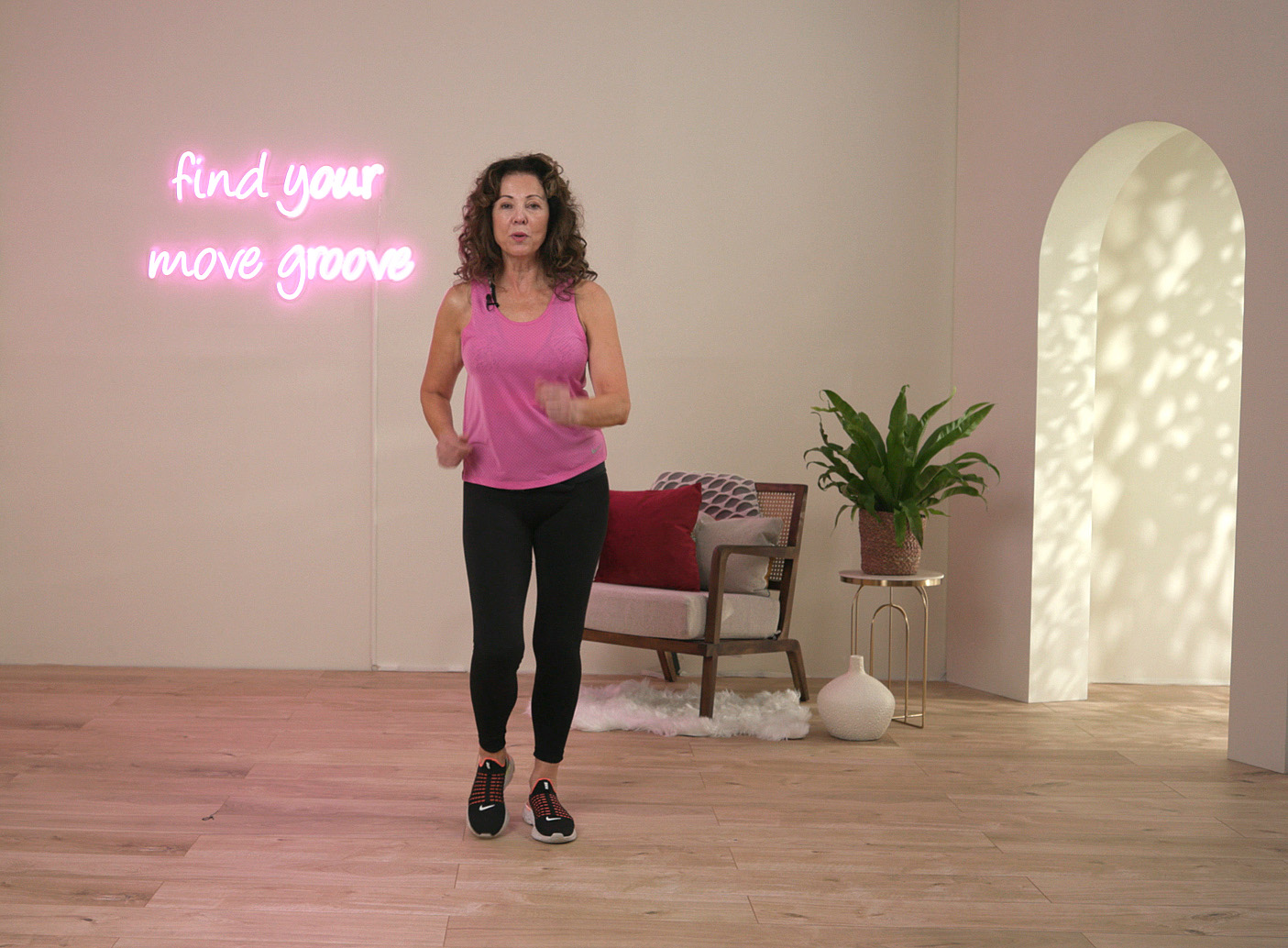
Slimming World members know the government’s physical activity targets, but they feel so far away from that goal there’s no point even starting
Slimming World’s Body Magic plan focuses on behaviour change / Slimming World
David Langridge
MD, 1FitLife
Operators must create content that attracts ‘hard-to-reach’ groups / David Langridge – 1FitLife

We’ve created 52 videos for Slimming World’s online Body Magic programme that aim to give users physical literacy and a nurtured baseline of confidence.

They’re all a gentle introduction to low-intensity exercise; a taster of what activity looks like that supports the development of an activity habit. The point of Body Magic is that it’s not daunting; it builds on small behaviour changes that are encouraged, not demanded, and it doesn’t assume people have any interest in or understanding of exercise.

The content is pitched completely differently from the high-end workouts we’ve filmed on behalf of fitness brands, which are geared up to support and challenge members at home and in-club. For Slimming World, the videos are filmed in attainable segments of five, 10 and 15 minutes, so users can dip in and out without feeling they’ve been set up to fail. At the end of each five-minute segment, we give people the option of stopping or resting and then continuing with another five-minute round if they feel good to go on.

The language and tone of voice used by our instructors are extremely important. They’re warm, friendly and reassuring, and range in age from mid-20s into their 70s, so there’s something and someone for everyone. Online fitness is perfect for people who are new to exercise and weight loss. If you’re overweight and unfit, the thought of having to put on workout gear and set foot in a gym is unrealistic for some. Training at home allows people to feel safe and once they’ve gained confidence, they’re more likely to join a mainstream health club or leisure centre.

With over 50 years experience, Slimming World supports hundreds of thousands of people – both in groups and online – who are more likely to be physically illiterate and may suffer from long-term chronic health conditions.

Gym operators and leisure centres struggle to connect with this market. The content they create tends to assume new customers have an understanding of physical activity and are confident to walk through the doors; this strategy can intimidate and stop this ‘hard-to-reach’ group on their fitness journey before they’ve even started.

The fitness industry should be asking itself what can it learn from Slimming World. Who else is engaging and inspiring this audience successfully?
Small behaviour changes are encouraged, not demanded
Dr Paula Watson
Reader in exercise and health psychology, LJMU

The benefits of physical activity go far beyond weight loss. Research shows physical activity is good for everyone, and that you’re better off being overweight and active, than slim and inactive. A culture that’s obsessed with ‘the skinny’ and the body beautiful isn’t going to stop the growth of obesity.

I’d like to see more people adopting a holistic lifestyle approach, living sustainable, healthy lives in the long term that impact not only the individual but their family around them.

The concept of a diet that lasts for 12 weeks or six months sets people up to fail. A target weight or a goal might keep people focussed in the short-term, but ultimately once you’ve reached that ‘perfect weight’, more often than not the diet stops and the weight goes back on.

It also doesn’t change family habits, and with obesity often running through generations we need to ditch the scales and think about portion control, a nutritious and unprocessed diet, plus incorporating and normalising physical activity into everyday life.

It’s not a quick fix. We need to stop demonising both food and physical activity. Narratives such as ‘no pain no gain’ are unhelpful, and present physical activity as a punishment. Ultimately it must be something people look forward to and enjoy – be that walking with a friend, a bike ride with the family or playing walking football.

A good first step would be to change the language we use. So instead of ‘beach body ready’ or ‘new year, new you’ messages which focus on what a person looks like, promoting the healthy lifestyle message; being happier, more able to participate in life and chasing after children or grandchildren.

Facilities could also look to provide enjoyable activities that families can do together, as well as low intensity and beginner classes that cater for people who aren’t confident in a ‘gym’ setting. Parkrun is a great example – there are minimal barriers to participation, the activities are free, people can run wherever they happen to be – and there’s a 2km children’s run.

If someone has a dysfunctional relationship with food, whether they’re an emotional eater, a bored eater or a compulsive eater, there’s a bigger battle to overcome than just weight loss; they need to improve their relationship with food and be supported to reinterpret what healthy eating looks like and what physical activity can be.

Some of these changes might require a cultural shift, and health and fitness operators might consider seeking support from exercise psychologists. It’s a new and growing field, and I’m increasingly working with individuals, practitioners and facilities to promote physical activity in a healthy way.

We need to stop demonising both food and physical activity
Programmes should focus on long-term habit change, not quick results / Rido – shutterstock
https://www.leisureopportunities.co.uk/images/2022/609980_905876.jpg
What can the fitness industry and the weight management sector learn from each other? Our experts discuss
Latest News
Technogym has announced the launch of the Run X World Treadmill Championship, the first world ...

Latest News
Shocked by the UK loneliness statistics, charitable trust Mytime Active has been doubling down on ...
Latest News
Portugal’s leading operator, SC Fitness, is celebrating a milestone by reaching 100 gyms.  The company ...
Latest News
Australia’s fast-growing fitness network, Viva Leisure, is adding a low-cost gym brand to its already ...
Latest News
Speedflex has launched a strength training programme for 10 to 16-year-olds, to make it safer, ...
Latest News
Tewinbury Farm Hotel in Hertfordshire, UK is expanding its premium leisure proposition with the launch ...
Latest News

Work is underway in Madrid on one of Europe’s most significant multi-functional complexes, ...

Latest News
PureGym is encouraging people to step away from their screens and go for a walk, ...
Latest News
Small improvements to sleep, diet quality, and physical activity, made in combination lead to a ...
Latest News
Therme Manchester’s 28-acre development, which will include interconnected glass pavilions that measure 65,000sq m, will ...
Latest News
The Yard Gym (TYG) is to become Nike Training’s official global training partner in a ...
Opinion
promotion
Strength training has moved from the margins to the mainstream.
Opinion: Building smarter strength spaces for today’s operators
Featured supplier news
Featured supplier news: Reaching the people most gyms miss: Bedford Gym & Swim Campaign delivers 410 new members
One of the biggest mistakes the fitness industry still makes is advertising almost exclusively to people who already look and live like gym members.
Featured supplier news
Featured supplier news: W3Fit EMEA celebrates its fifth anniversary
Celebrating its milestone 5th anniversary, W3Fit EMEA returns in 2026 with an unmissable gathering of the Health & Fitness industry’s most influential leaders.
Company profiles
Company profile: Future Fit
Since 1993, Future Fit have been consistently raising the bar when it comes to training ...
Company profiles
Company profile: Vor Technologies Ltd
Vor is the world’s most powerful workout generation tool, transforming how fitness businesses deliver personalised ...
Supplier Showcases
Supplier Showcase - Future-proofing
Catalogue Gallery
Click on a catalogue to view it online
Featured press releases
ukactive press release: Are they Fit for Office? UK Active and Technogym throw down the gauntlet to MPs
Hundreds of staff, MPs and Peers from across Westminster have signed up for the Fit for Office parliamentary physical activity challenge, which takes place throughout June and is hosted by ukactive and Technogym.
Featured press releases
Innerva press release: Lex Leisure’s power-assisted exercise suite smashes targets in record time
Crook Log Leisure Centre has more than doubled the membership target for its new power- assisted exercise suite in less than six months.
Directory
Industrial washing machines
Miele Company Limited: Industrial washing machines
Hot tubs
MSpa International Ltd: Hot tubs
Spa and beauty equipment
Living Earth Crafts: Spa and beauty equipment
Lockers
Crown Sports Lockers: Lockers
Water experiences and hydrotherapy solutions
Aquaform s.r.l.: Water experiences and hydrotherapy solutions
Fitness tracking platform
SpiviTech: Fitness tracking platform
Property & Tenders
Stratford, East London.
Lee Valley Regional Park Authority
Property & Tenders
Y Felinheli, LL56 4QN
Newmark
Property & Tenders
Diary dates
13-13 Jun 2026
Worldwide, Various,
Diary dates
21-24 Sep 2026
The Langham Huntington Pasadena , Pasadena, United States
Diary dates
06-08 Oct 2026
Messe Stuttgart, Stuttgart, Germany
Diary dates
22-22 Oct 2026
QEII Conference Centre, London,
Diary dates
26-29 Oct 2027
Koelnmesse Exhibition Centre, Cologne, Germany
Diary dates
Search news, features & products:
Find a supplier:
Les Mills
Les Mills
Partner sites