


















features
Inclusion: Inclusive language
As the industry looks to broaden its reach, one of the ways to be more inclusive is with the language used, but this skill is often overlooked, says Dr Cedric Bryant


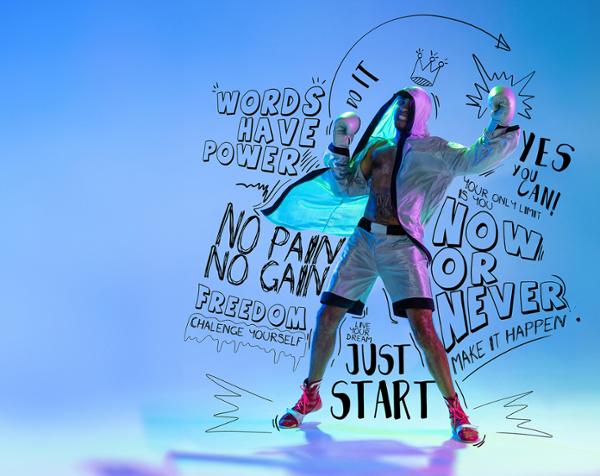
There are so many benefits to using friendly and inclusive language. It can encourage participation and retention and makes training sessions more enjoyable, especially for beginners, or those who may feel self-conscious about their fitness abilities.
Welcoming and considerate language can also lead to increased participation and longer-term commitment to fitness programmes.
Positive language promotes a positive environment and can boost members’ confidence and enjoyment, which are key factors in maintaining a consistent exercise routine. Using supportive language also strengthens the bond between fitness professionals and clients, fostering trust and open communication.
A study published in the publication Medicine and science in sports and exercise, titled Talking yourself out of exhaustion: the effects of self-talk on endurance performance (www.hcmmag.com/exhaustion) demonstrated that motivational self-talk significantly reduced the rate of perceived exertion (RPE) and enhanced endurance performance.
Other systematic reviews, such as Language: a powerful tool in promoting healthy behaviors (www.hcmmag.com/language) have collectively underscored the importance of positive, motivational language in health and fitness, indicating that the words used by health and fitness professionals can significantly influence physical capabilities, adherence and mental wellbeing.
When PTs and instructors use the right words or phrases during training sessions, many positive outcomes can be observed, including the following:
• Enhanced learning and understanding
Clear, positive instructions help clients better understand exercises and their benefits. This leads to better technique, more effective workouts, and reduced risk of injury.
• Greater personalisation and inclusivity
By using language that acknowledges individual differences and needs, trainers create a more inclusive environment. This approach shows that the trainer values each client's unique journey, fostering a deeper trainer-client relationship.
• Enhanced motivation
Motivational language increases members’ enthusiasm and commitment to their workout. Using encouraging phrases can help maintain energy levels and focus throughout the session.
• Increased comfort and confidence
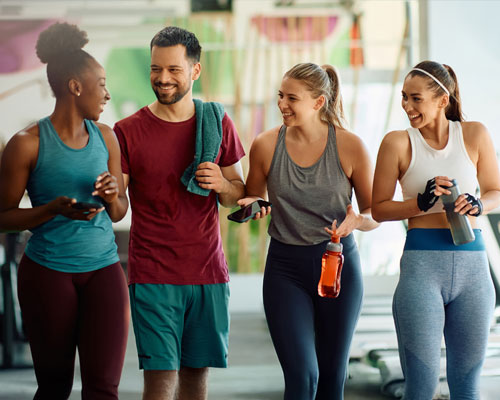
Inclusive language makes clients feel more comfortable and less self-conscious, especially newcomers. This can boost their confidence, making them more likely to participate actively and return for future sessions.
• Improved Mental Wellbeing
Supportive and positive language contributes to a more enjoyable experience, which can improve overall mental wellbeing. Members are likely to associate fitness with positive emotions, fostering a healthier, more consistent approach to exercise.
A stronger sense of belonging
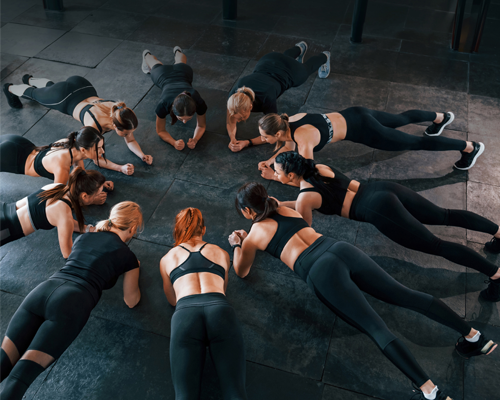
Using words that promote a team spirit and collective effort helps build a sense of community within the group. This feeling of belonging can be a powerful motivator and support system for clients.
I believe the fitness industry as a whole is increasingly moving toward this practice of using more inclusive, inspiring terminology, because of the growing awareness of the importance of mental health and inclusivity, with this shift reflecting a broader societal move towards inclusivity and holistic wellbeing.
The industry is increasingly recognising the power of words in shaping participants' experiences. Moving towards more inclusive and empowering language reflects a broader understanding of the psychological aspects of fitness and wellbeing. This shift is not just a trend but a necessary evolution towards a more holistic approach to fitness that values mental and emotional wellbeing alongside physical health.
The power of language in fitness is profound. It not only shapes the workout experience but also influences the long-term relationship between personal trainers, instructors and clients. It can build confidence, foster inclusivity, and encourage a lifelong commitment to health and wellbeing. By carefully choosing words that empower and include, fitness professionals can make a significant and positive impact on their clients' fitness journeys.
As the industry continues to evolve, the focus on inclusive, empowering communication is likely to become standard practice, benefiting both fitness professionals and members alike.
These strategies are essential for fitness instructors in order to have an effective communication and language for fostering positive client relationships and successful outcomes.
The American Council on Exercise (ACE) recognises the importance of skillful use of language in PT, group exercise instruction and health coaching and provides resources and education for its certified professionals, focusing on communication skills, motivational interviewing, inclusive language and the psychological aspects of coaching.
Courses include ACE group fitness instructor certification and a ‘practicing equality, diversity and inclusion as a health and exercise professional’ course, which teaches how to use person-centered language and demonstrate empathy. This training helps them respect and acknowledge the individuality of each client, ensuring an inclusive and supportive training environment.
• Language should focus on intrinsic motivation and avoid a focus on aesthetics
• Avoid terms that emphasise physical appearance and instead use words that promote strength and personal improvement
• Avoid saying ‘shred that fat to look great!’ or ‘sculpt those problem areas!’ Instead, use goal-oriented phrases such as ‘improve your strength’ or ‘enhance your endurance’
• Competitive phrases such ‘push harder than everyone else’ should be replaced with self-focused encouragement like ‘push the best you can’
• Instead of labelling exercises as easy or hard, trainers should use terms such as ‘option’ or ‘variation’, promoting a sense of personal choice and autonomy
• Group fitness instructors should avoid spotlighting new attendees with terms such as ‘newbie’ or ‘first-timer’. Using inclusive terms such as ‘we’ and ‘us’ helps create a team atmosphere where everyone feels valued and included

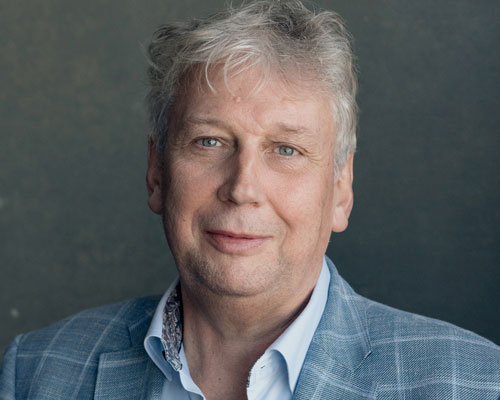
Dr Cedric Bryant is CEO of the American Council on Exercise