



























features
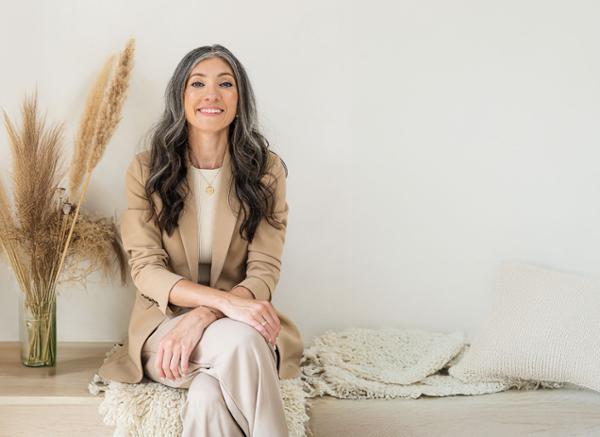
HCM people: Lafina DiamandisFounder, Deia Health
Our lifestyles can give us 80 per cent control over whether or not we develop an illness


Tell us about Deia Health
Our clinic on London’s Harley Street offers a full range of GP services and holistic health screening. We use a lifestyle medicine and functional health approach to look at how the body systems are interacting in order to solve complex health problems. Our approach encompasses eight pillars: movement, nature, nutrition, sleep, relaxation, genetics, environmental toxins and relationships with the self and others.
From my previous experience working as a doctor in the NHS, I know where the gaps in healthcare are and I’m really passionate about using a holistic approach to health problems rather than simply prescribing pills for symptoms.
My experience in the NHS also showed me what it’s possible to achieve with multi-disciplinary teams, however, the problem with the UK’s NHS health service is that it’s a reactive system with limited resources, particularly when it comes to primary care.
One of my goals when starting Deia Health was to create a clinic that blends both modern medicine with holistic and multi-disciplinary care to address the root causes of illness and offer a service that is truly proactive, preventative and personal.
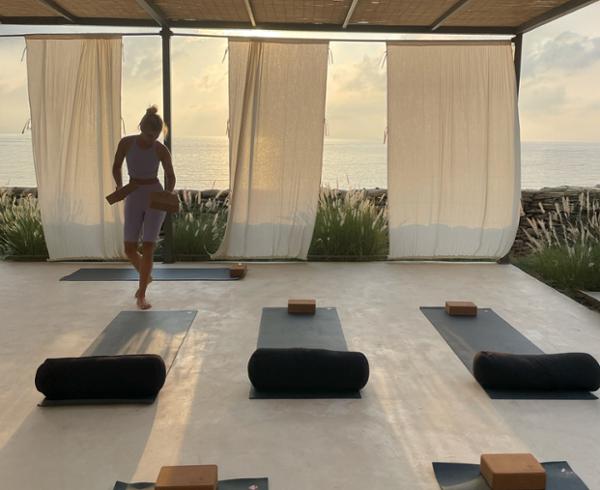
Something I’m really proud of is our multidisciplinary team – from expert dietitians to somatic therapists – we can literally build a team of experts around the patient to get the best outcome for them. This is something they can benefit from whether in-clinic or on one of our wellness retreats.
How do you define your terms?
Lifestyle medicine is an evidence-based approach to health, where we look at lifestyle factors as the primary therapeutic intervention for treating, reversing and managing diseases, such as diabetes, high cholesterol and mental health problems.
Functional medicine includes the lifestyle medicine aspect but also takes an in-depth look at the biology – how the different systems in the body are interacting with each other and where dysfunction might be. Our approach involves looking for the root causes of illness – there are usually more than one – and addressing these holistically, using strategies from exercise, nutritional science, sleep medicine and neuroscience.
For example, if someone presents with depression we don’t just consider their medical and family history, we look at the timeline of events that led up the depression, we consider their lifestyle factors, social connections and unique biological factors. We think about what we can do to optimise someone’s internal state holistically, whether that is through improving nutrition – because there’s an incredibly important connection between food and mood – reducing inflammation or addressing chronic stress or unresolved trauma. This ensures that the plan we create will serve the individual in the short and long-term.
The holistic care plan I recently gave a client involved a daily walk in nature with the aim of supporting her to build more gentle movement into her day, reduce stress and improve wellbeing. Being in nature helps to reduce the stress hormones of cortisol and adrenaline and increase the number of natural killer cells in the immune system which help us to fight infections. Plus it helps us to feel good because we’re exercising, we hear birdsong, we’re looking at green, we’re breathing in phytoncides which are the chemicals that trees emit and all of that is so important.
How important is it to address trauma?
Trauma is a very important factor to consider in all disease. The field of psychoneuroimmunology is growing, there’s even psychoneuroendocrinoimmunology now that reveals how much of an impact stress and trauma can have on our health. Our psychology literally shapes our neurochemistry.
When the nervous system is reacting to trauma, the stress response is switched on and this has an impact on our hormones and immune system. Chronic stress states can cause the immune system to dysfunction, targeting our own tissues which can lead to autoimmune diseases. This is why it’s so important to consider emotional health as a core pillar of health and wellbeing.
If you have a negative mindset, or you’re stuck in a vicious cycle of negative thinking or self-critical thoughts, then you’re going to put your body into stress mode and over time that can predispose you to a range of health problems from IBS to depression or high blood pressure.
How important are our social lives for health?
Social nourishment is a vital part of health – I think everyone’s heard the statistic that loneliness is as harmful to health as smoking. Being connected to others is one of the best things you can do for your nervous and immune systems, because it creates a deep sense of safety and belonging. That lowers stress and if you’ve got lowered stress, you’ve got lowered inflammation in the body which positively impacts everything from mood to blood pressure and the rate at which the body ages.
How can you change your genetic predisposition to a disease?
Genes are the blueprint for your health, but they’re not necessarily going to be expressed. So if you have the gene associated with a high risk of Alzheimer’s, this doesn’t mean you will develop Alzheimer’s. Lifestyle factors can switch those genes on and off and we know lifestyle factors such as nutrition, sleep, stress and exercise all influence the expression of those genes.
Our lifestyles can give us 80 per cent control over whether or not we develop an illness. So while you can’t change your DNA, you can influence the way that DNA will behave, which is really empowering.
Is there anything that health and fitness operators could do to engage with you?
I’m always looking to connect with like-minded professionals and I think there’s huge scope for collaboration with the fitness industry in terms of educational initiatives and awareness-raising workshops, to integrating health services in a range of fitness spaces. There’s a huge movement towards preventative health and as a result we’re seeing an increased appetite for wellness spaces to overlap with healthcare. This is really positive, as it can help to shift attitudes around thinking about health when we are sick, to thinking about health from a proactive and preventative perspective.