













features
Feedback: HCM Forum
Fuel the debate about issues and opportunities across the industry. We’d love to hear from you. Write to [email protected]


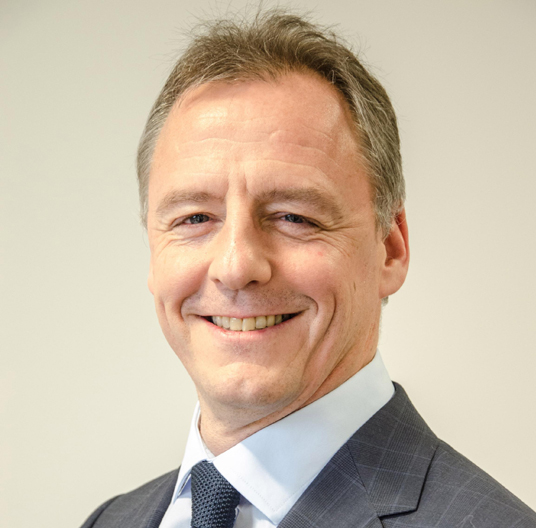
I read with interest the recent editor’s letter in HCM about the benefits of using biological age versus chronological age as a starting point for a new generation of research (HCM issue 9 2025 page 5. www.hcmmag.com/biochrono).
It’s a fascinating subject and one which – in my experience – is not widely understood.
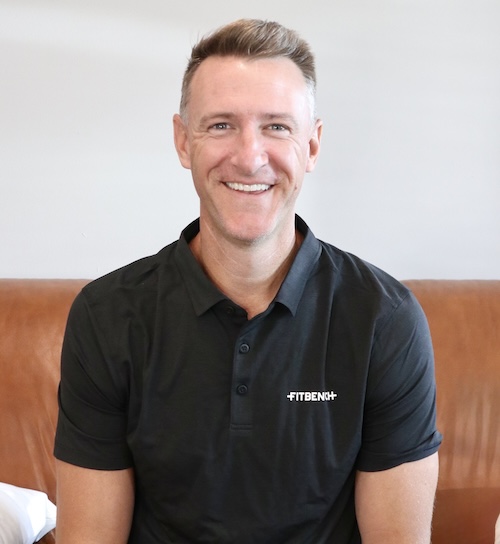
For the last two years I’ve been interested in the science around longevity and health optimisation, having opened a longevity studio where we’ve been testing health optimisation tools that calculate biological age.
We’ve looked at a number of these tools, all of which give different BioAge results and a wealth of information about a multitude of different biomarkers, some of which are difficult to understand or use.
Having said that, it won’t be long before companies leading in this space refine their proposition and develop tools that are truly meaningful and help us take personal responsibility for the decisions we take about our health – genuinely representing medicine 2.0 – a move to a focus on prevention rather than cure.
However, right now it’s complicated. Some great companies out there are doing exciting things, but we need to think carefully about what we use and how we use it.
For example, my Egym bioAge is 49 years-of-age; my DNA and epigenetic bioAge is 52; my glycanAge (glycans are one of the four essential building blocks of the human body and scientific measurements of inflammation) is 20; my metabolic age is anywhere between 42-52 – depending on which brand of impedance scales are used to do this measurement and my Humanity bioAge is 57.
We recently ran trials with a group of members on metabolic health and over a 12-week period the average outputs were as follows: metabolic age reduced by nine years, 9kg dropped and 5 per cent body fat lost; muscle mass up by 6 per cent and visceral fat down 3L.
These metabolic health improvements could never have been achieved by just working out or joining a gym – the complementary role of nutrition was essential and needs to be elevated when it comes to improving health and wellbeing.
While a lot of this biotech has been available for around 10 years, we’re only just beginning to use it or interpret it to deliver improved health outcomes and the area represents a huge opportunity for operators to evidence their customers’ health gains.
Those who build it into their proposition will be able to differentiate themselves in the marketplace.
We must present more compelling and evidence-based solutions which deal with a wider range of health optimisation solutions. In the future and with the aid of developments in biotech this may well include functional fitness – strength, mobility, metabolism, cardio; lifestyle – sleep, stress, daylight, work-life balance; cellular health; gut health and nutrition – including supplements – and brain health.
At this moment in time, the world of longevity and health optimisation is still in its infancy but it’s moving fast, and billions of pounds of investment is currently going into this space.
Check out the investment in Altos Labs, which has raised US$3 billion; Calico Life Science – US$2.5 billion and; Human Longevity Inc, US$300 million, for example.
Health optimisation is not about living beyond five score years, it’s about improving healthspan and making sure every year we have in this world is as meaningful, worthwhile, healthy and active as it can be.
Without doubt in the field of longevity we will see fads come and go and we’ll take some paths that will lead nowhere, but that’s part of the excitement of virgin exploration – new territory.
What’s important is that we, as an industry, become the ‘filter’ – a trusted source of the truth – and that we present solutions to our members that have been scientifically validated, that are easy to understand and that have a purpose and deliver benefit that unequivocally improves health. We all owe our members that authenticity.
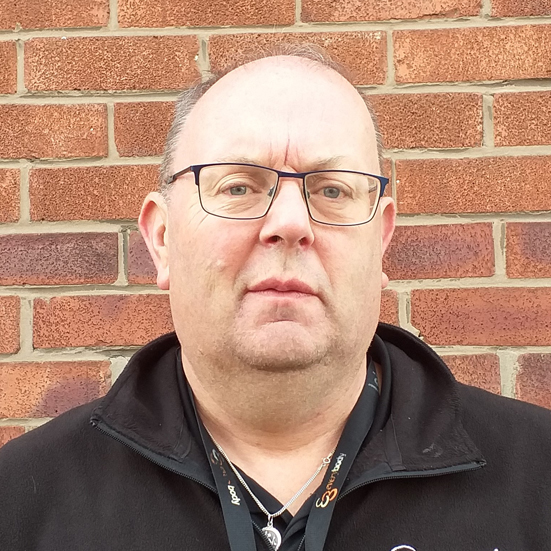
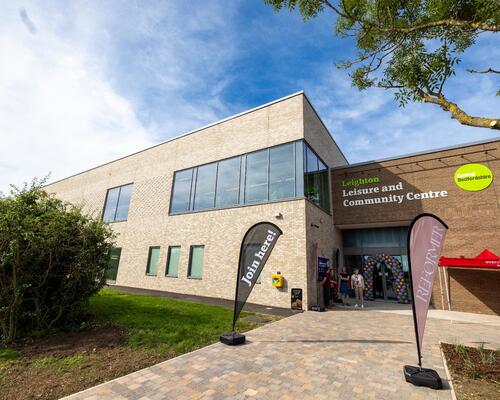
At our leisure centres in Cheshire, UK, visitors can expect all the usual amenities – a gym, cafe, pool and studios for classes such as group cycling, yoga, and dance. However, what sets these centres apart is a determination to get as many people active and healthy as possible.
The teams at Everybody Health and Leisure have been working with local organisations to remove barriers to exercise for women and girls and also families of neurodiverse children and those with special educational needs (SEND).
Our charity operates 17 leisure facilities and has rolled out an initiative across all sites, working with an organisation called Caught Short Lockers, which provide freely accessible and free-of-charge period products for women and girls.
Free access to period products is vital when it comes to boosting participation by women and girls and according to Nuffield Health, more than four in five (84 per cent) of teenage girls say their interest in sport and fitness diminished after starting periods, while almost one in four (23 per cent) say they feel embarrassed to take part in physical activity while menstruating.
This can have a huge knock-on effect when it comes to women and girls’ mental and physical health.
Caught Short Locker is the brainchild of founder Nichola Foulkes, who established the charity to remove a barrier for girls and women, who may have abandoned a training session before, due to their period.
Free products are made available, including applicator and non-applicator tampons, sanitary towels, feminine wipes, incontinence pads and disposal bags.
A culture of openness and support from Everybody Health and Leisure has seen this initiative implemented across all sites with the aim of driving exercise uptake by women and girls.
When it comes to supporting children who are neurodiverse, or have special educational needs, we offer Calm Bags, from a charity called Ruby’s (www.rubysfund.co.uk), which contain resources such as ear defenders and sensory toys.
Parents use Calm Bags to help neurodiverse or SEND children sit happily in the café while a sibling completes a swimming lesson or other activity, taking the stress out of the situation for everyone and enhancing accessibility.