














Follow Health Club Management on Twitter Like Health Club Management on Facebook Join the discussion with Health Club Management on LinkedIn
FITNESS, HEALTH, WELLNESS

features

Exercise is medicine: Lifestyle medicine

The Institute of Lifestyle Medicine in the US aims to reduce lifestyle-related diseases by training clinicians in how to prescribe exercise to patients. Founder and director Edward Phillips talks to Julie Cramer about the institute, and why health clubs should be involved with the health system

By Julie Cramer | Published in Health Club Management 2013 issue 9
“If you change people’s behaviour even 2 per cent, that’s tens of billions of dollars saved in healthcare costs each year”

Q What is lifestyle medicine?
The whole field is about using lifestyle interventions, such as diet and exercise, as a therapeutic and preventative approach to common ailments such as heart disease, obesity and cancer. As a rehabilitation specialist, I’m particularly focused on using exercise for whatever ails you: whether you’ve lost a leg, had a stroke or hit your head, we’re convinced exercise will help you feel better.

But it’s not just about exercise – it’s how you sleep, if you smoke or drink, what you eat. All these things combined are key factors in lifestyle medicine.

Q How did the institute come to be launched?
I’m a practising physician with a background in rehabilitation, and I started writing about these things in 1999. By 2005, we’d launched an online programme from Harvard Medical School called Lifestyle Medicine for Weight Management. That course has been completed by over 2,000 clinicians around the world, from 115 countries.

Then, in 2006, we went to India to deliver a lifestyle medicine course to clinicians in four cities. Recognising the global interest in, and need for, our course, we decided to set up an institute devoted to the topic. The Institute of Lifestyle Medicine was born, based at Harvard Medical School in Boston, US, within the Joslin Diabetes Center.

Q What does your work involve?
Our main goal is to retrofit physicians with the knowledge that’s so important now, but that they never learned in med school. Highest on the list is teaching them about exercise, followed by motivation through health coaching, as well as improving their knowledge of lifestyle dangers such as stress.

We run a number of training courses and offer, among many other things, two main conferences a year, which attract delegates from all over the world.

Q Does that mean more recently qualified doctors are better equipped to tackle lifestyle diseases?
Actually it’s still not well covered by medical schools, if at all. There was a study done in the UK recently, in which over 30 medical schools were asked about their teaching on exercise and physical activity. There was a high response rate, but while all of the schools thought it was a good idea, the overwhelming answer was “but sorry, we just don’t do it”. There’s now a move to undertake a similar kind of survey in the US and Canada.

Q What’s the cost of doing nothing?
In the US, we’re touching almost US$3trn a year in terms of healthcare spending, and that’s predicted to go up to US$4.5trn by 2019.

The cost of doing nothing is quite simply unsustainable. The World Health Organisation predicts that, by 2020 – which is really not that far away – two-thirds of illness worldwide will be the result of our lifestyle choices. On the plus side, if two-thirds of illness is as a result of our behaviour, that means there are opportunities out there to make big improvements to our health.

We’re not talking about all-or-nothing change – that’s a trap many fall into. People don’t need to suddenly run marathons. It’s about starting with a 10-minute walk at lunch. If you change people’s behaviour even 2 per cent, that’s tens of billions of dollars saved in healthcare costs each year.

Q What do you teach doctors?
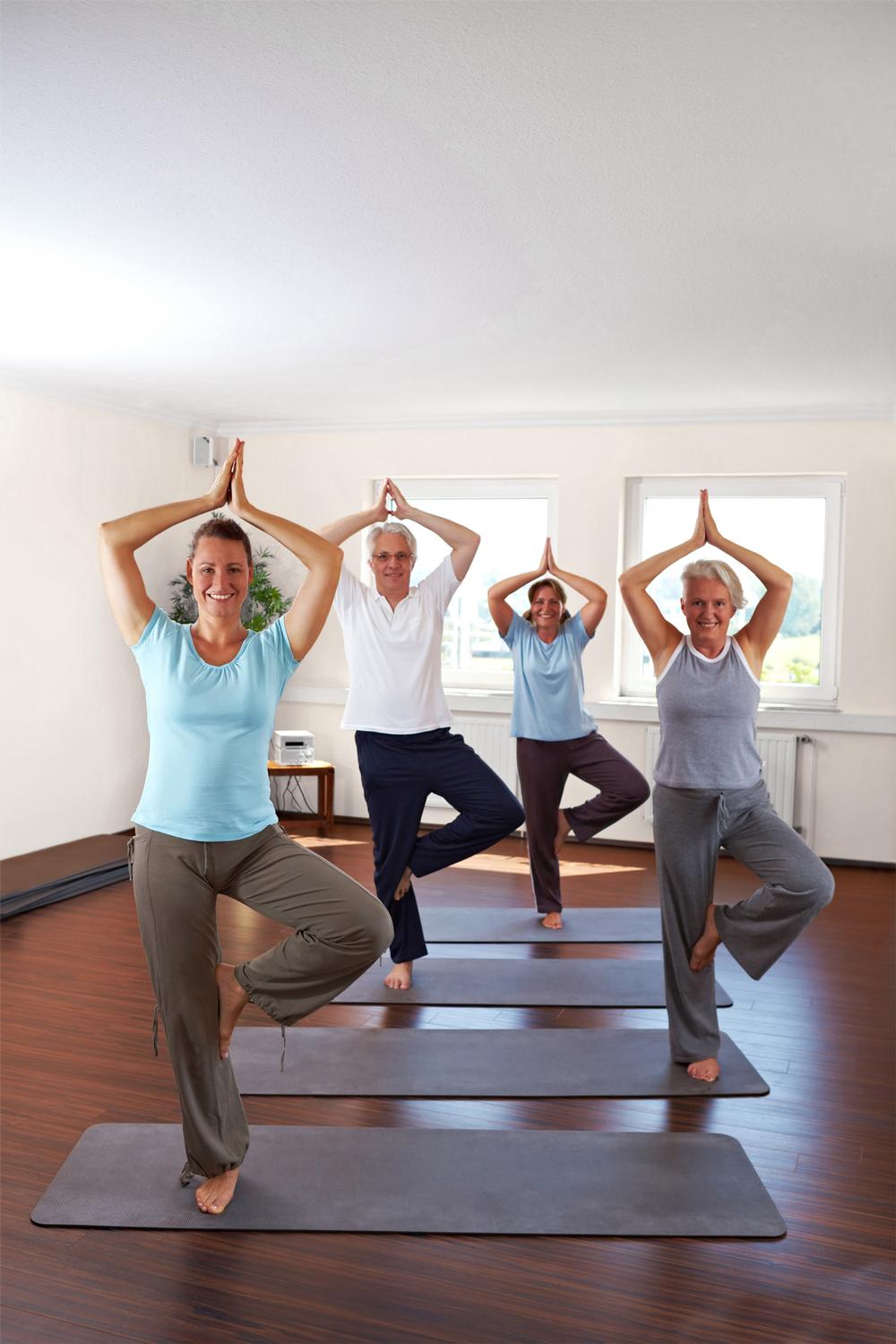
Firstly, we expect all doctors to be physically active during our courses, so we put on exercise sessions such as Zumba (I can tell you most doctors have never tried Zumba!), tai chi and yoga.

In one workshop they get assessed themselves, which might involve them doing push-ups or planks. It’s often a really good wake-up call for them.

Next, we teach them how to assess their patients and start to talk to them about exercise, and whether to consider referring patients to a medical fitness club or a health club.

We talk to doctors about introducing Physical Activity Vital Signs – a system of asking patients how often in the past week they’ve done some moderate exercise, and for how long at a time.

Finally, we teach them how to start to influence behaviours by using coaching techniques like motivational interviewing. We’re not saying doctors should become health coaches, but if they can recognise a patient’s readiness to change, they’ll know the right time to refer them on to a fitness facility.

Q What kind of reactions do you get from delegates?
We get all levels of response, right up to doctors saying: ‘I’m fed up with my usual practice, I’m stressed, my patients aren’t getting any better, how can I start my own lifestyle centre?’

But the majority – and this is where the root of change will happen – say that, although they’re not going to radically change their practices, they will start asking everyone about exercise now

However, we have a saying in medicine: ‘Don’t take a temperature unless you want to treat a fever’. If you’ve determined people are inactive, you have to do something about it.

Q That sounds like a cue for health clubs…
It is. The way doctors are getting paid in the US is shifting. Under the Affordable Care Act (‘Obamacare’), they’re going to be rewarded on the health outcomes of their patients [like QOF in the UK], and how they’re able to improve specific metrics such as blood pressure and lipid levels. They’ll be paid in part based on patient health outcomes instead of just fee-for-service, which means they’re becoming more focused on keeping their patients healthy.

There’s also a new and growing category of sports and exercise medicine physicians who know a lot more about exercise than regular doctors, and they will naturally be looking for health clubs to partner with.

Governments are also now much more aware of the financial cost of inactivity. In healthcare terms, an inactive person in the US costs US$1,500 more each year than an active one.

Under this system, health clubs that can reliably and credibly provide fitness to the full spectrum of patients will be sought out as valuable allies.

Q Can you give an example of good practice?
The Atlantic Coast Athletic Club in Charlottesville, Virginia, US. The owner started soliciting physicians in 2005 to get their patients to come into a ‘60-day, US$60’ programme. It’s been really successful and now he’s taking millions of dollars running a very popular Physician Referral Exercise Programme (PREP).

Q How do you see the future?
We need to initiate a new paradigm for promoting health and wellness. We’ve seen a century-long experiment in the US of treating patients with episodic, procedure-orientated, sickness-based care. This ‘clinical trial’ has failed, causing disease, bankruptcy and death.

To collectively leave a legacy and change policy, we must change the environment. In future, if you see your doctor, you must talk about exercise.

Sign up here to get HCM's weekly ezine and every issue of HCM magazine free on digital.
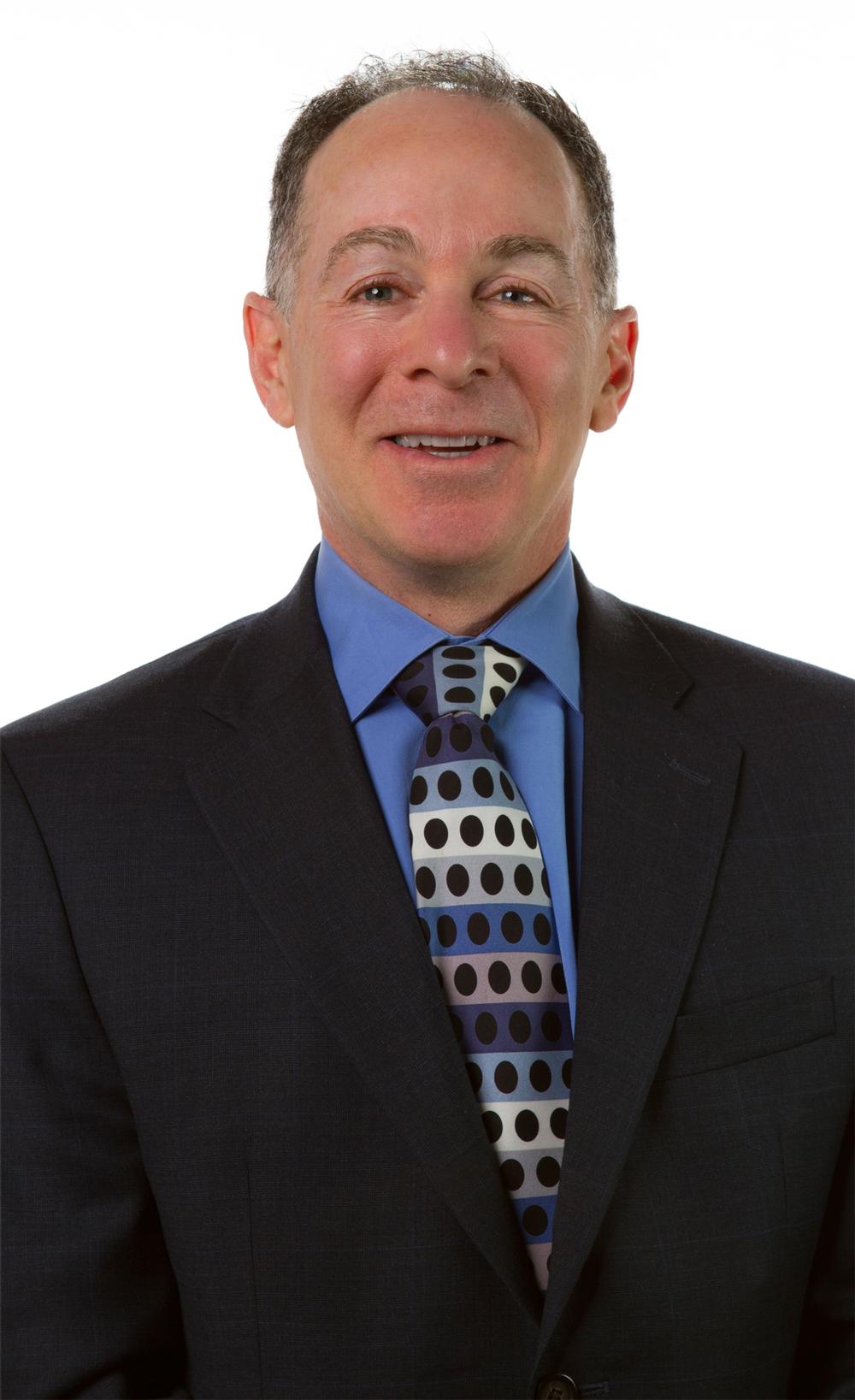
Institute founder and director Edward Phillips
Doctors are taught to talk to patients about exercise / © shutterstock.com
The WHO predicts that, by 2020, two-thirds of illness globally will be the direct result of lifestyle choices / © shutterstock.com/Artist’s name/Robert Kneschke
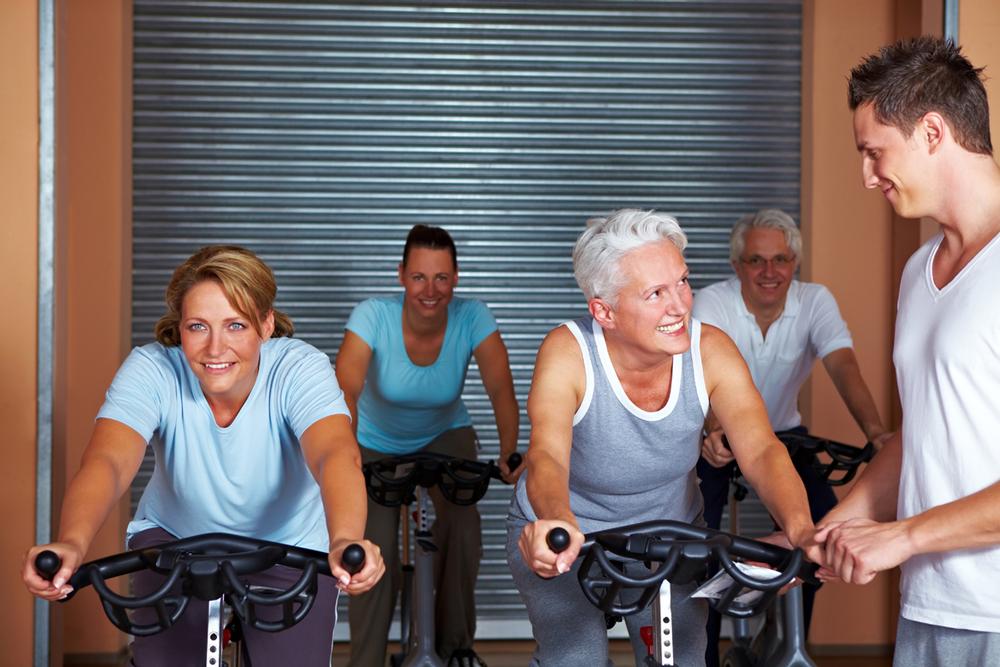
If doctors can gain basic health coaching skills, they may better identify which patients are ready for a gym referral / © shutterstock.com/Artist’s name/Robert Kneschke
https://www.leisureopportunities.co.uk/images/HCM2013_9medicine.gif
Edward Phillips, founder of the Institute of Lifestyle Medicine in Boston, US, talks to Julie Cramer about tackling chronic disease
Edward Phillips, Institute of Lifestyle Medicine,Edward Phillips, Institute of Lifestyle Medicine, chronic disease, lifestyle disease, exercise is medicine, exercise referral, physician, GP, doctor
HCM magazine
Collaborations with the medical profession and greater aspirations around wellbeing are creating a need for more experts in our sector. It’s time to reboot our thinking around the workforce
HCM magazine
For every member with a tripod and a big following, there are others irritated at the way equipment is being hogged or wary they’ll be in the background on someone’s Insta feed. Do influencers offer valuable, free marketing or are they just a nuisance? Kath Hudson finds out how operators are responding
HCM magazine
As the entrepreneur who started Wexer, Fresh Fitness, Fitness DK and Repeat, as well as being a former elite athlete, Rasmus Ingerslev’s life looked perfect from the outside, but onthe inside it was a different story. He talks to Kath Hudson about healing old wounds
HCM magazine
If the health service is to survive, we must recognise that it is a disease service – and that wellbeing rests with us, says the activity advocate and healthy ageing champion. He talks to Kate Cracknell
HCM magazine
Raphael Cuomo explores the powerful link between addiction, health and behaviour change
HCM promotional features
Sponsored
Greg Bradley looks at the shift towards strength training in gyms and advises on how operators can create the ultimate training environment
HCM promotional features
Sponsored
SnowDome Fitness has added 50 per cent more space with cutting-edge Technogym solutions
HCM promotional features
Sponsored
Starpool supports Olympic champion Marcell Jacobs, says Riccardo Turri
HCM promotional features
Sponsored
David Lloyd is stepping up its commitment to women’s health as it continues to explore what fit-for-purpose looks like for the female population
HCM promotional features
Sponsored
Find out how your gym can tap into the corporate wellness boom
HCM promotional features
Sponsored
Third Space partnered with IndigoFitness to deliver a bespoke training space for its new club at The Whiteley
HCM promotional features
Sponsored
EGYM has opened a new HQ in Paternoster Square, London and revealed a range of new launches
HCM promotional features
Sponsored
The industry is embracing consumer-facing tech. Now it’s time to streamline back-of-house systems with Orbit4, says Daniel Jones
HCM promotional features
Sponsored
Pulse Fitness has created a new health club delivering an elevated wellness experience
HCM promotional features
Latest News
People taking GLP-1 weight loss medications such as Ozempic, Wegovy, Mounjaro and Zepbound may be ...
Latest News
Low-cost gym operator, PureGym, is trialling recovery zones at two of its UK sites, democratising ...
Latest News
In a milestone moment, mental health has become a core part of CIMSPA’s occupational professional ...
Latest News
US high-value, low-price chain, Eos Fitness, has announced plans to pilot reformer Pilates in three ...
Latest News
Preventive healthcare company Neko Health has added body composition analysis to its full-body health scan ...
Latest News
Chequan Lewis is the new CEO of Crunch Fitness, taking over from Jim Rowley, who ...
Latest News
Sea Lanes Canary Wharf has officially opened. The 50-metre, six-lane pool, which uses the natural ...
Latest News
London-based high-performance fitness club, ONE LDN, is raising funds for a multi-site expansion across London, ...
Opinion
promotion
Strength training has moved from the margins to the mainstream.
Opinion: Building smarter strength spaces for today’s operators
Featured supplier news
Featured supplier news: Supporting long-term health: why whole body vibration belongs in clinical settings
As healthcare continues to shift towards prevention, there’s a growing focus on helping people stay active, independent and feeling good for longer.
Featured supplier news
Featured supplier news: Cornerstone Connect helps Active Blackpool tackle health inequalities
Active Blackpool is deploying Cornerstone Connect, a new digital interface allowing disparate information from multiple systems to be aggregated into one dataset, to support its focus on reducing health inequalities and improving healthy life expectancy.
Company profiles
Company profile: CET CryoSpas
CET have developed ice baths specifically for the fitness and wellness sectors in addition to ...
Company profiles
Company profile: Leisure Energy Ltd
Leisure Energy is an award-winning renewable technology company, energy consultancy, and principal contractor. We specialise ...
Supplier Showcases
Supplier Showcase - From nightclub to health club
Supplier Showcases
Supplier Showcase - Future-proofing
Catalogue Gallery
Click on a catalogue to view it online
Featured press releases
Swim England press release: Swim England launches new Learn to Swim Growth Plan to support aquatic programme expansion
Swim England has strengthened its sector-leading Business Solutions offer with the launch of its Learn to Swim Growth Plan, designed to help aquatic providers unlock sustainable programme growth.
Featured press releases
CoverMe Ltd press release: CoverMe and Jobs In. Fitness partner to create end-to-end talent solution
CoverMe, the UK’s leading fitness workforce management and recruitment platform, has partnered with Jobs In. Fitness, the specialist executive search and advisory firm for the fitness and wellbeing sector, to give operators a single route to talent at every level – from frontline staffing to C-suite.
Directory
Lockers
Crown Sports Lockers: Lockers
Fitness tracking platform
SpiviTech: Fitness tracking platform
Hot tubs
MSpa International Ltd: Hot tubs
Water experiences and hydrotherapy solutions
Aquaform s.r.l.: Water experiences and hydrotherapy solutions
Industrial washing machines
Miele Company Limited: Industrial washing machines
Spa and beauty equipment
Oakworks Inc: Spa and beauty equipment
Property & Tenders
Stratford, East London.
Lee Valley Regional Park Authority
Property & Tenders
Y Felinheli, LL56 4QN
Newmark
Property & Tenders
Diary dates
21-24 Sep 2026
The Langham Huntington Pasadena , Pasadena, United States
Diary dates
06-08 Oct 2026
Messe Stuttgart, Stuttgart, Germany
Diary dates
22-22 Oct 2026
QEII Conference Centre, London,
Diary dates
26-29 Oct 2027
Koelnmesse Exhibition Centre, Cologne, Germany
Diary dates

features

Exercise is medicine: Lifestyle medicine

The Institute of Lifestyle Medicine in the US aims to reduce lifestyle-related diseases by training clinicians in how to prescribe exercise to patients. Founder and director Edward Phillips talks to Julie Cramer about the institute, and why health clubs should be involved with the health system

By Julie Cramer | Published in Health Club Management 2013 issue 9
“If you change people’s behaviour even 2 per cent, that’s tens of billions of dollars saved in healthcare costs each year”

Q What is lifestyle medicine?
The whole field is about using lifestyle interventions, such as diet and exercise, as a therapeutic and preventative approach to common ailments such as heart disease, obesity and cancer. As a rehabilitation specialist, I’m particularly focused on using exercise for whatever ails you: whether you’ve lost a leg, had a stroke or hit your head, we’re convinced exercise will help you feel better.

But it’s not just about exercise – it’s how you sleep, if you smoke or drink, what you eat. All these things combined are key factors in lifestyle medicine.

Q How did the institute come to be launched?
I’m a practising physician with a background in rehabilitation, and I started writing about these things in 1999. By 2005, we’d launched an online programme from Harvard Medical School called Lifestyle Medicine for Weight Management. That course has been completed by over 2,000 clinicians around the world, from 115 countries.

Then, in 2006, we went to India to deliver a lifestyle medicine course to clinicians in four cities. Recognising the global interest in, and need for, our course, we decided to set up an institute devoted to the topic. The Institute of Lifestyle Medicine was born, based at Harvard Medical School in Boston, US, within the Joslin Diabetes Center.

Q What does your work involve?
Our main goal is to retrofit physicians with the knowledge that’s so important now, but that they never learned in med school. Highest on the list is teaching them about exercise, followed by motivation through health coaching, as well as improving their knowledge of lifestyle dangers such as stress.

We run a number of training courses and offer, among many other things, two main conferences a year, which attract delegates from all over the world.

Q Does that mean more recently qualified doctors are better equipped to tackle lifestyle diseases?
Actually it’s still not well covered by medical schools, if at all. There was a study done in the UK recently, in which over 30 medical schools were asked about their teaching on exercise and physical activity. There was a high response rate, but while all of the schools thought it was a good idea, the overwhelming answer was “but sorry, we just don’t do it”. There’s now a move to undertake a similar kind of survey in the US and Canada.

Q What’s the cost of doing nothing?
In the US, we’re touching almost US$3trn a year in terms of healthcare spending, and that’s predicted to go up to US$4.5trn by 2019.

The cost of doing nothing is quite simply unsustainable. The World Health Organisation predicts that, by 2020 – which is really not that far away – two-thirds of illness worldwide will be the result of our lifestyle choices. On the plus side, if two-thirds of illness is as a result of our behaviour, that means there are opportunities out there to make big improvements to our health.

We’re not talking about all-or-nothing change – that’s a trap many fall into. People don’t need to suddenly run marathons. It’s about starting with a 10-minute walk at lunch. If you change people’s behaviour even 2 per cent, that’s tens of billions of dollars saved in healthcare costs each year.

Q What do you teach doctors?
Firstly, we expect all doctors to be physically active during our courses, so we put on exercise sessions such as Zumba (I can tell you most doctors have never tried Zumba!), tai chi and yoga.

In one workshop they get assessed themselves, which might involve them doing push-ups or planks. It’s often a really good wake-up call for them.

Next, we teach them how to assess their patients and start to talk to them about exercise, and whether to consider referring patients to a medical fitness club or a health club.

We talk to doctors about introducing Physical Activity Vital Signs – a system of asking patients how often in the past week they’ve done some moderate exercise, and for how long at a time.

Finally, we teach them how to start to influence behaviours by using coaching techniques like motivational interviewing. We’re not saying doctors should become health coaches, but if they can recognise a patient’s readiness to change, they’ll know the right time to refer them on to a fitness facility.

Q What kind of reactions do you get from delegates?
We get all levels of response, right up to doctors saying: ‘I’m fed up with my usual practice, I’m stressed, my patients aren’t getting any better, how can I start my own lifestyle centre?’

But the majority – and this is where the root of change will happen – say that, although they’re not going to radically change their practices, they will start asking everyone about exercise now

However, we have a saying in medicine: ‘Don’t take a temperature unless you want to treat a fever’. If you’ve determined people are inactive, you have to do something about it.

Q That sounds like a cue for health clubs…
It is. The way doctors are getting paid in the US is shifting. Under the Affordable Care Act (‘Obamacare’), they’re going to be rewarded on the health outcomes of their patients [like QOF in the UK], and how they’re able to improve specific metrics such as blood pressure and lipid levels. They’ll be paid in part based on patient health outcomes instead of just fee-for-service, which means they’re becoming more focused on keeping their patients healthy.

There’s also a new and growing category of sports and exercise medicine physicians who know a lot more about exercise than regular doctors, and they will naturally be looking for health clubs to partner with.

Governments are also now much more aware of the financial cost of inactivity. In healthcare terms, an inactive person in the US costs US$1,500 more each year than an active one.

Under this system, health clubs that can reliably and credibly provide fitness to the full spectrum of patients will be sought out as valuable allies.

Q Can you give an example of good practice?
The Atlantic Coast Athletic Club in Charlottesville, Virginia, US. The owner started soliciting physicians in 2005 to get their patients to come into a ‘60-day, US$60’ programme. It’s been really successful and now he’s taking millions of dollars running a very popular Physician Referral Exercise Programme (PREP).

Q How do you see the future?
We need to initiate a new paradigm for promoting health and wellness. We’ve seen a century-long experiment in the US of treating patients with episodic, procedure-orientated, sickness-based care. This ‘clinical trial’ has failed, causing disease, bankruptcy and death.

To collectively leave a legacy and change policy, we must change the environment. In future, if you see your doctor, you must talk about exercise.
Sign up here to get HCM's weekly ezine and every issue of HCM magazine free on digital.
Institute founder and director Edward Phillips
Doctors are taught to talk to patients about exercise / © shutterstock.com
The WHO predicts that, by 2020, two-thirds of illness globally will be the direct result of lifestyle choices / © shutterstock.com/Artist’s name/Robert Kneschke
If doctors can gain basic health coaching skills, they may better identify which patients are ready for a gym referral / © shutterstock.com/Artist’s name/Robert Kneschke
https://www.leisureopportunities.co.uk/images/HCM2013_9medicine.gif
Edward Phillips, founder of the Institute of Lifestyle Medicine in Boston, US, talks to Julie Cramer about tackling chronic disease
Edward Phillips, Institute of Lifestyle Medicine,Edward Phillips, Institute of Lifestyle Medicine, chronic disease, lifestyle disease, exercise is medicine, exercise referral, physician, GP, doctor
Latest News
People taking GLP-1 weight loss medications such as Ozempic, Wegovy, Mounjaro and Zepbound may be ...
Latest News
Low-cost gym operator, PureGym, is trialling recovery zones at two of its UK sites, democratising ...
Latest News
In a milestone moment, mental health has become a core part of CIMSPA’s occupational professional ...
Latest News
US high-value, low-price chain, Eos Fitness, has announced plans to pilot reformer Pilates in three ...
Latest News
Preventive healthcare company Neko Health has added body composition analysis to its full-body health scan ...
Latest News
Chequan Lewis is the new CEO of Crunch Fitness, taking over from Jim Rowley, who ...
Latest News
Sea Lanes Canary Wharf has officially opened. The 50-metre, six-lane pool, which uses the natural ...
Latest News
London-based high-performance fitness club, ONE LDN, is raising funds for a multi-site expansion across London, ...
Latest News
A new brain clinic has opened in London, which uses non-invasive brain stimulation to treat ...
Latest News
Good Boost’s digital exercise programmes are helping adults with MSK at a lower cost than ...
Latest News
With Prime Minister, Keir Starmer, announcing his resignation this morning and Andy Burnham as a ...
Opinion
promotion
Strength training has moved from the margins to the mainstream.
Opinion: Building smarter strength spaces for today’s operators
Featured supplier news
Featured supplier news: Supporting long-term health: why whole body vibration belongs in clinical settings
As healthcare continues to shift towards prevention, there’s a growing focus on helping people stay active, independent and feeling good for longer.
Featured supplier news
Featured supplier news: Cornerstone Connect helps Active Blackpool tackle health inequalities
Active Blackpool is deploying Cornerstone Connect, a new digital interface allowing disparate information from multiple systems to be aggregated into one dataset, to support its focus on reducing health inequalities and improving healthy life expectancy.
Company profiles
Company profile: CET CryoSpas
CET have developed ice baths specifically for the fitness and wellness sectors in addition to ...
Company profiles
Company profile: Leisure Energy Ltd
Leisure Energy is an award-winning renewable technology company, energy consultancy, and principal contractor. We specialise ...
Supplier Showcases
Supplier Showcase - From nightclub to health club
Supplier Showcases
Supplier Showcase - Future-proofing
Catalogue Gallery
Click on a catalogue to view it online
Featured press releases
Swim England press release: Swim England launches new Learn to Swim Growth Plan to support aquatic programme expansion
Swim England has strengthened its sector-leading Business Solutions offer with the launch of its Learn to Swim Growth Plan, designed to help aquatic providers unlock sustainable programme growth.
Featured press releases
CoverMe Ltd press release: CoverMe and Jobs In. Fitness partner to create end-to-end talent solution
CoverMe, the UK’s leading fitness workforce management and recruitment platform, has partnered with Jobs In. Fitness, the specialist executive search and advisory firm for the fitness and wellbeing sector, to give operators a single route to talent at every level – from frontline staffing to C-suite.

Directory
Lockers
Crown Sports Lockers: Lockers
Fitness tracking platform
SpiviTech: Fitness tracking platform
Hot tubs
MSpa International Ltd: Hot tubs
Water experiences and hydrotherapy solutions
Aquaform s.r.l.: Water experiences and hydrotherapy solutions
Industrial washing machines
Miele Company Limited: Industrial washing machines
Spa and beauty equipment
Oakworks Inc: Spa and beauty equipment
Property & Tenders
Stratford, East London.

Lee Valley Regional Park Authority
Property & Tenders
Y Felinheli, LL56 4QN
Newmark
Property & Tenders
Diary dates
21-24 Sep 2026
The Langham Huntington Pasadena , Pasadena, United States
Diary dates
06-08 Oct 2026
Messe Stuttgart, Stuttgart, Germany
Diary dates
22-22 Oct 2026
QEII Conference Centre, London,
Diary dates
26-29 Oct 2027
Koelnmesse Exhibition Centre, Cologne, Germany
Diary dates
Search news, features & products:
Find a supplier:
Partner sites