














Elevate Arena
Elevate Arena
Elevate Arena
Follow Health Club Management on Twitter Like Health Club Management on Facebook Join the discussion with Health Club Management on LinkedIn
FITNESS, HEALTH, WELLNESS

features

HCM People: Amanda DaleyProfessor of behavioural medicine, Loughborough University

PACE labelling would be a simple, user-friendly way of informing people, at a glance, of the amount of physical activity required for the food they are considering eating

Published in Health Club Management 2020 issue 2
Amanda Daley
Amanda Daley
A 400-calorie chocolate muffin would take 70 minutes of walking or 40 minutes of running to burn off

Your research recommends a new type of labelling for food, how would this work?
Physical activity calorie equivalent (PACE) labelling would use a small symbol to show people how long they would need to walk or run in order to burn off the calories in the food they eat. For example, a 400-calorie chocolate muffin would take 70 minutes of walking or 40 of running to burn off.

How do you know PACE labelling would be more effective than the current approach?
We’re not advocating that current food labelling is abandoned, we’re suggesting that PACE labelling is added to the current labels. There’s only limited evidence to show that nutritional information, such as calorie content, works. Most people find it too confusing as it doesn’t provide any context.

PACE labelling would be a simple, user-friendly way of informing people, at a glance, of the amount of physical activity required to burn off the food they are considering eating.

As people only spend a few seconds looking at food and deciding whether to buy it, a simple, easily understandable approach is needed.

We’re interested in saving lives and finding ways to reduce obesity and cardiovascular disease and are always looking for ways to educate the public to choose more healthy ways to eat, as well as getting people more physically active.

This recommendation is one way of targeting both behaviours in the whole population. Other research we’ve done has shown that PACE label information can prevent people from gaining weight, so we know it has the potential to positively impact the health of the public.

What activities would you like to see on labels?
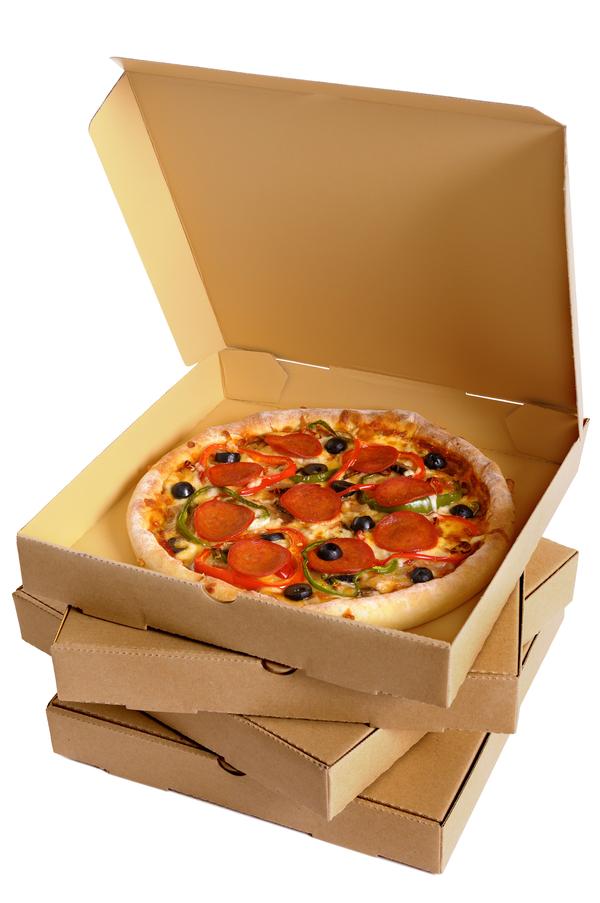
Walking – because it’s an activity everyone can relate to – and running. Most people wouldn’t consider running, so if they know they have to do a 95 minute run to work off a medium sized pizza, they’ll probably decide to go without it!

How did you go about proving PACE labelling could work?
We analysed data from 14 previous studies from around the world, which explored the impact of an exercise-based labelling system.

After collating the studies, we did a meta analysis and concluded that PACE labelling leads to people eating 63 calories fewer on each eating occasion. As most people have three daily meals and two snacks, this is a significant reduction in calories during a day.

Additionally, in 2016-17, we also did a two-group, double-blind, randomised controlled trial, published in the BMJ, to test the effectiveness of PACE label information over the Christmas holidays, a time when many people gain weight which they don’t shift.

The study involved 272 adults; one group was encouraged to restrain behaviours, via regular self weighing and reflection on their weight trajectory, and received weight management strategies including PACE information about regularly consumed Christmas foods and drinks. The comparator group only received a leaflet on healthy living.

Our study found that the group that had the benefit of the PACE labelling didn’t gain any weight during the festive season, while the comparator group gained an average of 0.37kg. People said they were shocked about how much activity would be required to burn off many Christmas calories and so simply decided not to eat them.

People assume obesity comes about through gluttony, but from a whole population perspective, it actually occurs by just eating a bit too much at each meal, every day. So we need some interventions to nudge people into good behaviours every time they eat.

Most of the population are not doing enough physical activity every day either, so we need strategies to promote and remind the public of participating in regular physical activity every day: PACE labelling has the potential to do this.

How easy would this be to implement? Is there opposition from the food industry?
Like with the sugar tax, there has been some criticism from the food industry, that doesn’t want people to be armed with these facts. It’s so easy to go into a coffee chain and consume 2,000 to 3,000 calories – a day’s calorie allowance - just by having a cake and a frappucino.

There’s been criticism that PACE labelling is misleading, because men and women burn off calories at a different rate, but actually there is less than 15 calories difference between an average man and an average woman running for 10 minutes.

Other critics have said that it might prompt eating disorders. Of course we always have to be mindful of any unintended effects from any new strategy and consider any unwanted consequences, but there’s no evidence that physical activity campaigns lead to eating disorders. Information on calories is already available on food labels and PACE labelling is a way of translating existing information.

Most of the population are overweight and thousands of people die every year from diseases related to being overweight, including cancer, cardiovascular diseases and diabetes. We want to try and prevent these deaths in the population and help the public lead long healthy lives by maintaining good energy balance.

What are the next steps for your team?
We’ll complete some more real life studies and once we have enough evidence, we’d like to go to the government and ask them to consider the results and, if appropriate, to legislate. It won’t be a fast turnaround, we’re expecting it to take up to five years.

Is there anything the health and fitness industry could be doing to support this in the meantime?
Anything the industry can do to educate people about maintaining good energy balance through healthy eating and participation in regular physical activity would be great. There’s often the tendency after exercise for people to treat themselves with food and end up consuming more calories than they expended in their workout, so only selling healthy choices in cafés and vending machines and placing PACE labelling on food and drinks sold in clubs would be extremely helpful in supporting members to maintain their weight.

• In 2015, 603.7m adults globally were estimated to be obese, with more than 70 countries showing a doubling in the prevalence of obesity since 1980.

• Reports from longitudinal weight tracking studies show that each year on average the population gains a small amount of weight (0.4-1kg) but that weight is gained more rapidly during particular periods, such as the Christmas holiday season, because of prolonged over-consumption and sedentary behaviour. These weight gains were not fully lost afterwards, so over 10 years would lead to a 5-10kg increase in body weight which is enough to drive the obesity epidemic.

• On Christmas Day alone an individual might consume 6,000 calories – three times the recommended daily allowance.

• People have reported that family celebrations provide the greatest challenge for eating restraint.


Sign up here to get HCM's weekly ezine and every issue of HCM magazine free on digital.
Daley says PACE labelling is proven to inspire people to improve their lifestyle / SHUTTERSTOCK/ EpicStockMedia.
A 400-calorie chocolate muffin would take 
70 minutes of walking 
or 40 minutes of running to burn off / STILL LIFE: SHUTTERSTOCK/MOVING MOMENT
A 400-calorie chocolate muffin would take 70 minutes of walking or 40 minutes of running to burn off / STILL LIFE: SHUTTERSTOCK/MOVING MOMENT
Changes to packaging could take up to five years to implement if approved by government / SHUTTERSTOCK/ LADO.
If people know they have to do a 95 minute run to work off a medium sized pizza, they’ll probably decide to go without it! / STILL LIFE: SHUTTERSTOCK/DAVID FRANKLIN
https://www.leisureopportunities.co.uk/images/imagesX/697726_38225.jpg
Amanda Daley, professor of behavioural medicine at Loughborough University , recommends a new type of labelling for food, which would show people how long they need to walk or run in order to burn off calories eaten
Amanda Daley, Loughborough University,food labelling
HCM magazine
HCM People

Jamie Clements

The Breath Coach
I experienced a blissful feeling of joy I hadn’t felt since I was a kid
HCM magazine
For every member with a tripod and a big following, there are others irritated at the way equipment is being hogged or wary they’ll be in the background on someone’s Insta feed. Do influencers offer valuable, free marketing or are they just a nuisance? Kath Hudson finds out how operators are responding
HCM magazine
HCM People

Stephen Price

Founder, SP&Co Group
Working in public health over the last few years has lit up parts of my brain again
HCM magazine
Collaborations with the medical profession and greater aspirations around wellbeing are creating a need for more experts in our sector. It’s time to reboot our thinking around the workforce
HCM magazine
Raphael Cuomo explores the powerful link between addiction, health and behaviour change
HCM promotional features
Sponsored
David Lloyd is stepping up its commitment to women’s health as it continues to explore what fit-for-purpose looks like for the female population
HCM promotional features
Sponsored
Starpool supports Olympic champion Marcell Jacobs, says Riccardo Turri
HCM promotional features
Sponsored
Find out how your gym can tap into the corporate wellness boom
HCM promotional features
Sponsored
SnowDome Fitness has added 50 per cent more space with cutting-edge Technogym solutions
HCM promotional features
Sponsored
Third Space partnered with IndigoFitness to deliver a bespoke training space for its new club at The Whiteley
HCM promotional features
Sponsored
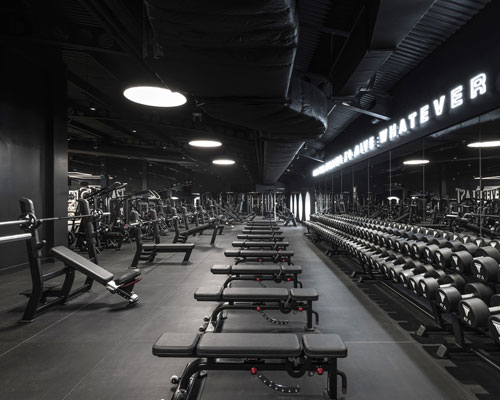
Greg Bradley looks at the shift towards strength training in gyms and advises on how operators can create the ultimate training environment
HCM promotional features
Sponsored
EGYM has opened a new HQ in Paternoster Square, London and revealed a range of new launches
HCM promotional features
Sponsored
The industry is embracing consumer-facing tech. Now it’s time to streamline back-of-house systems with Orbit4, says Daniel Jones
HCM promotional features
Promotion
BLK BOX has been reimagining elite performance spaces for more than a decade. Founder and former athlete, Greg Bradley, tells us what it takes
HCM promotional features
Latest News
Nuffield Health has told HCM that it takes its responsibilities towards its colleagues seriously and ...
Latest News
Technogym has announced the launch of the Run X World Treadmill Championship, the first world ...
Latest News
Shocked by the UK loneliness statistics, charitable trust Mytime Active has been doubling down on ...
Latest News
Portugal’s leading operator, SC Fitness, is celebrating a milestone by reaching 100 gyms.  The company ...
Latest News
Australia’s fast-growing fitness network, Viva Leisure, is adding a low-cost gym brand to its already ...
Latest News
Speedflex has launched a strength training programme for 10 to 16-year-olds, to make it safer, ...
Latest News
Tewinbury Farm Hotel in Hertfordshire, UK is expanding its premium leisure proposition with the launch ...
Latest News

Work is underway in Madrid on one of Europe’s most significant multi-functional complexes, ...

Opinion
promotion
Strength training has moved from the margins to the mainstream.
Opinion: Building smarter strength spaces for today’s operators
Featured supplier news
Featured supplier news: Supporting long-term health: why whole body vibration belongs in clinical settings
As healthcare continues to shift towards prevention, there’s a growing focus on helping people stay active, independent and feeling good for longer.
Featured supplier news
Featured supplier news: Elevate 2026 to mark 10-year anniversary with biggest ever waterfront drinks reception
Elevate is set to celebrate its 10th anniversary in style this June, with organisers confirming the event’s largest-ever drinks reception as registrations continue to run more than 10% ahead of last year.
Company profiles
Company profile: Sprung Gym Flooring
Sprung Gym Flooring a trusted brand who specialise in high-performance, durable, non-slip rubber gym flooring, ...
Company profiles
Company profile: CoverMe Ltd
CoverMe Fitness, an app for seamless, on-demand management and cover solutions for sports and fitness ...
Supplier Showcases
Supplier Showcase - Future-proofing
Catalogue Gallery
Click on a catalogue to view it online
Featured press releases
GYMNATION press release: Massive ‘Good Luck’ message appears in Saudi Desert as Green Falcons head to World Cup
Passengers flying out of Riyadh this week have been treated to an extraordinary sight from the skies after GymNation unveiled a giant desert sand mural supporting the Saudi Arabia National Football Team ahead of the FIFA World Cup in the United States.
Featured press releases
BLK BOX press release: BLK BOX strengthens European growth with the appointment of Germany country manager Timo Garrels
BLK BOX is proud to welcome Timo Garrels as Germany country manager, marking another important step in the brand’s continued growth across Europe.
Directory
Water experiences and hydrotherapy solutions
Aquaform s.r.l.: Water experiences and hydrotherapy solutions
Spa and beauty equipment
Living Earth Crafts: Spa and beauty equipment
Industrial washing machines
Miele Company Limited: Industrial washing machines
Fitness tracking platform
SpiviTech: Fitness tracking platform
Lockers
Crown Sports Lockers: Lockers
Hot tubs
MSpa International Ltd: Hot tubs
Property & Tenders
Stratford, East London.
Lee Valley Regional Park Authority
Property & Tenders
Y Felinheli, LL56 4QN
Newmark
Property & Tenders
Diary dates
13-13 Jun 2026
Worldwide, Various,
Diary dates
21-24 Sep 2026
The Langham Huntington Pasadena , Pasadena, United States
Diary dates
06-08 Oct 2026
Messe Stuttgart, Stuttgart, Germany
Diary dates
22-22 Oct 2026
QEII Conference Centre, London,
Diary dates
26-29 Oct 2027
Koelnmesse Exhibition Centre, Cologne, Germany
Diary dates

features

HCM People: Amanda DaleyProfessor of behavioural medicine, Loughborough University

PACE labelling would be a simple, user-friendly way of informing people, at a glance, of the amount of physical activity required for the food they are considering eating

Published in Health Club Management 2020 issue 2
Amanda Daley
Amanda Daley
A 400-calorie chocolate muffin would take 70 minutes of walking or 40 minutes of running to burn off

Your research recommends a new type of labelling for food, how would this work?
Physical activity calorie equivalent (PACE) labelling would use a small symbol to show people how long they would need to walk or run in order to burn off the calories in the food they eat. For example, a 400-calorie chocolate muffin would take 70 minutes of walking or 40 of running to burn off.

How do you know PACE labelling would be more effective than the current approach?
We’re not advocating that current food labelling is abandoned, we’re suggesting that PACE labelling is added to the current labels. There’s only limited evidence to show that nutritional information, such as calorie content, works. Most people find it too confusing as it doesn’t provide any context.

PACE labelling would be a simple, user-friendly way of informing people, at a glance, of the amount of physical activity required to burn off the food they are considering eating.

As people only spend a few seconds looking at food and deciding whether to buy it, a simple, easily understandable approach is needed.

We’re interested in saving lives and finding ways to reduce obesity and cardiovascular disease and are always looking for ways to educate the public to choose more healthy ways to eat, as well as getting people more physically active.

This recommendation is one way of targeting both behaviours in the whole population. Other research we’ve done has shown that PACE label information can prevent people from gaining weight, so we know it has the potential to positively impact the health of the public.

What activities would you like to see on labels?
Walking – because it’s an activity everyone can relate to – and running. Most people wouldn’t consider running, so if they know they have to do a 95 minute run to work off a medium sized pizza, they’ll probably decide to go without it!

How did you go about proving PACE labelling could work?
We analysed data from 14 previous studies from around the world, which explored the impact of an exercise-based labelling system.

After collating the studies, we did a meta analysis and concluded that PACE labelling leads to people eating 63 calories fewer on each eating occasion. As most people have three daily meals and two snacks, this is a significant reduction in calories during a day.

Additionally, in 2016-17, we also did a two-group, double-blind, randomised controlled trial, published in the BMJ, to test the effectiveness of PACE label information over the Christmas holidays, a time when many people gain weight which they don’t shift.

The study involved 272 adults; one group was encouraged to restrain behaviours, via regular self weighing and reflection on their weight trajectory, and received weight management strategies including PACE information about regularly consumed Christmas foods and drinks. The comparator group only received a leaflet on healthy living.

Our study found that the group that had the benefit of the PACE labelling didn’t gain any weight during the festive season, while the comparator group gained an average of 0.37kg. People said they were shocked about how much activity would be required to burn off many Christmas calories and so simply decided not to eat them.

People assume obesity comes about through gluttony, but from a whole population perspective, it actually occurs by just eating a bit too much at each meal, every day. So we need some interventions to nudge people into good behaviours every time they eat.

Most of the population are not doing enough physical activity every day either, so we need strategies to promote and remind the public of participating in regular physical activity every day: PACE labelling has the potential to do this.

How easy would this be to implement? Is there opposition from the food industry?
Like with the sugar tax, there has been some criticism from the food industry, that doesn’t want people to be armed with these facts. It’s so easy to go into a coffee chain and consume 2,000 to 3,000 calories – a day’s calorie allowance - just by having a cake and a frappucino.

There’s been criticism that PACE labelling is misleading, because men and women burn off calories at a different rate, but actually there is less than 15 calories difference between an average man and an average woman running for 10 minutes.

Other critics have said that it might prompt eating disorders. Of course we always have to be mindful of any unintended effects from any new strategy and consider any unwanted consequences, but there’s no evidence that physical activity campaigns lead to eating disorders. Information on calories is already available on food labels and PACE labelling is a way of translating existing information.

Most of the population are overweight and thousands of people die every year from diseases related to being overweight, including cancer, cardiovascular diseases and diabetes. We want to try and prevent these deaths in the population and help the public lead long healthy lives by maintaining good energy balance.

What are the next steps for your team?
We’ll complete some more real life studies and once we have enough evidence, we’d like to go to the government and ask them to consider the results and, if appropriate, to legislate. It won’t be a fast turnaround, we’re expecting it to take up to five years.

Is there anything the health and fitness industry could be doing to support this in the meantime?
Anything the industry can do to educate people about maintaining good energy balance through healthy eating and participation in regular physical activity would be great. There’s often the tendency after exercise for people to treat themselves with food and end up consuming more calories than they expended in their workout, so only selling healthy choices in cafés and vending machines and placing PACE labelling on food and drinks sold in clubs would be extremely helpful in supporting members to maintain their weight.

• In 2015, 603.7m adults globally were estimated to be obese, with more than 70 countries showing a doubling in the prevalence of obesity since 1980.

• Reports from longitudinal weight tracking studies show that each year on average the population gains a small amount of weight (0.4-1kg) but that weight is gained more rapidly during particular periods, such as the Christmas holiday season, because of prolonged over-consumption and sedentary behaviour. These weight gains were not fully lost afterwards, so over 10 years would lead to a 5-10kg increase in body weight which is enough to drive the obesity epidemic.

• On Christmas Day alone an individual might consume 6,000 calories – three times the recommended daily allowance.

• People have reported that family celebrations provide the greatest challenge for eating restraint.

Sign up here to get HCM's weekly ezine and every issue of HCM magazine free on digital.

Daley says PACE labelling is proven to inspire people to improve their lifestyle / SHUTTERSTOCK/ EpicStockMedia.
A 400-calorie chocolate muffin would take 
70 minutes of walking 
or 40 minutes of running to burn off / STILL LIFE: SHUTTERSTOCK/MOVING MOMENT
A 400-calorie chocolate muffin would take 70 minutes of walking or 40 minutes of running to burn off / STILL LIFE: SHUTTERSTOCK/MOVING MOMENT
Changes to packaging could take up to five years to implement if approved by government / SHUTTERSTOCK/ LADO.
If people know they have to do a 95 minute run to work off a medium sized pizza, they’ll probably decide to go without it! / STILL LIFE: SHUTTERSTOCK/DAVID FRANKLIN
https://www.leisureopportunities.co.uk/images/imagesX/697726_38225.jpg
Amanda Daley, professor of behavioural medicine at Loughborough University , recommends a new type of labelling for food, which would show people how long they need to walk or run in order to burn off calories eaten
Amanda Daley, Loughborough University,food labelling
Latest News
Nuffield Health has told HCM that it takes its responsibilities towards its colleagues seriously and ...
Latest News
Technogym has announced the launch of the Run X World Treadmill Championship, the first world ...
Latest News
Shocked by the UK loneliness statistics, charitable trust Mytime Active has been doubling down on ...
Latest News
Portugal’s leading operator, SC Fitness, is celebrating a milestone by reaching 100 gyms.  The company ...
Latest News
Australia’s fast-growing fitness network, Viva Leisure, is adding a low-cost gym brand to its already ...
Latest News
Speedflex has launched a strength training programme for 10 to 16-year-olds, to make it safer, ...
Latest News
Tewinbury Farm Hotel in Hertfordshire, UK is expanding its premium leisure proposition with the launch ...
Latest News

Work is underway in Madrid on one of Europe’s most significant multi-functional complexes, ...

Latest News
PureGym is encouraging people to step away from their screens and go for a walk, ...
Latest News
Small improvements to sleep, diet quality, and physical activity, made in combination lead to a ...
Latest News
Therme Manchester’s 28-acre development, which will include interconnected glass pavilions that measure 65,000sq m, will ...
Opinion
promotion
Strength training has moved from the margins to the mainstream.
Opinion: Building smarter strength spaces for today’s operators
Featured supplier news
Featured supplier news: Supporting long-term health: why whole body vibration belongs in clinical settings
As healthcare continues to shift towards prevention, there’s a growing focus on helping people stay active, independent and feeling good for longer.
Featured supplier news
Featured supplier news: Elevate 2026 to mark 10-year anniversary with biggest ever waterfront drinks reception
Elevate is set to celebrate its 10th anniversary in style this June, with organisers confirming the event’s largest-ever drinks reception as registrations continue to run more than 10% ahead of last year.
Company profiles
Company profile: Sprung Gym Flooring
Sprung Gym Flooring a trusted brand who specialise in high-performance, durable, non-slip rubber gym flooring, ...
Company profiles
Company profile: CoverMe Ltd
CoverMe Fitness, an app for seamless, on-demand management and cover solutions for sports and fitness ...
Supplier Showcases
Supplier Showcase - Future-proofing
Catalogue Gallery
Click on a catalogue to view it online
Featured press releases
GYMNATION press release: Massive ‘Good Luck’ message appears in Saudi Desert as Green Falcons head to World Cup
Passengers flying out of Riyadh this week have been treated to an extraordinary sight from the skies after GymNation unveiled a giant desert sand mural supporting the Saudi Arabia National Football Team ahead of the FIFA World Cup in the United States.
Featured press releases
BLK BOX press release: BLK BOX strengthens European growth with the appointment of Germany country manager Timo Garrels
BLK BOX is proud to welcome Timo Garrels as Germany country manager, marking another important step in the brand’s continued growth across Europe.
Directory
Water experiences and hydrotherapy solutions
Aquaform s.r.l.: Water experiences and hydrotherapy solutions
Spa and beauty equipment
Living Earth Crafts: Spa and beauty equipment
Industrial washing machines
Miele Company Limited: Industrial washing machines
Fitness tracking platform
SpiviTech: Fitness tracking platform
Lockers
Crown Sports Lockers: Lockers
Hot tubs
MSpa International Ltd: Hot tubs
Property & Tenders
Stratford, East London.
Lee Valley Regional Park Authority
Property & Tenders
Y Felinheli, LL56 4QN
Newmark
Property & Tenders
Diary dates
13-13 Jun 2026
Worldwide, Various,
Diary dates
21-24 Sep 2026
The Langham Huntington Pasadena , Pasadena, United States
Diary dates
06-08 Oct 2026
Messe Stuttgart, Stuttgart, Germany
Diary dates
22-22 Oct 2026
QEII Conference Centre, London,
Diary dates
26-29 Oct 2027
Koelnmesse Exhibition Centre, Cologne, Germany
Diary dates
Search news, features & products:
Find a supplier:
Elevate Arena
Elevate Arena
Partner sites