



















GET HCM
magazine
Sign up for the FREE digital edition of HCM magazine and also get the HCM ezine and breaking news email alerts.
Not right now, thanksclose this window I've already subscribed!
Follow Health Club Management on Twitter Like Health Club Management on Facebook Join the discussion with Health Club Management on LinkedIn
FITNESS, HEALTH, WELLNESS

features

Everyone's talking about...: Universal appeal

Research shows the middle classes dominate health club membership. How can we broaden the appeal to all socioeconomic groups – and how hard are we trying?

By Kath Hudson | Published in Health Club Management 2014 issue 3

Research from Dr Paul Bedford indicates that the membership profile across the private and public sectors is increasingly similar (see HCM Sept 13, p64). A large proportion of members are from the middle classes and eight MOSAIC profiles are significantly under-represented, with gyms struggling to lure the highest and lowest income groups.

So why is this? Certainly there’s more parity of offering between the sectors nowadays: the public sector has upped its game, offering high quality facilities at reasonable prices, while the private sector has struggled with ageing estates in tough economic times. Meanwhile, the growing budget club sector, closer to traditional public sector offerings in terms of pricing, would logically appeal to those on lower salaries – but as with the budget airlines, in practice it appeals equally to gym-savvy, value-driven professionals.

Another factor to bear in mind is the high volume of casual users in the public sector – a group that can’t currently be tracked, as operators can’t provide data for them. It’s possible that public sector participation is broader than the research reveals, but it still suggests lower income groups only participate as and when they can afford to, rather than committing to a new lifestyle.

Bedford explains: “The retention-focused research looked at who’s paying and how well we retain them. While we might be able to access wider populations by providing discounted/subsidised activities, we seem unable to find ways of selling memberships to these populations.”

If the industry is to tap into NHS funding and play a part in relieving the obesity epidemic, engaging with a broader demographic is vital. Even acknowledging the direct debit-based sample of the research, the question still needs to be asked: are we engaging with a sufficiently broad audience? If not, what are the barriers preventing lower socioeconomic groups from joining clubs?

John Treharne,

CEO,

The Gym Group
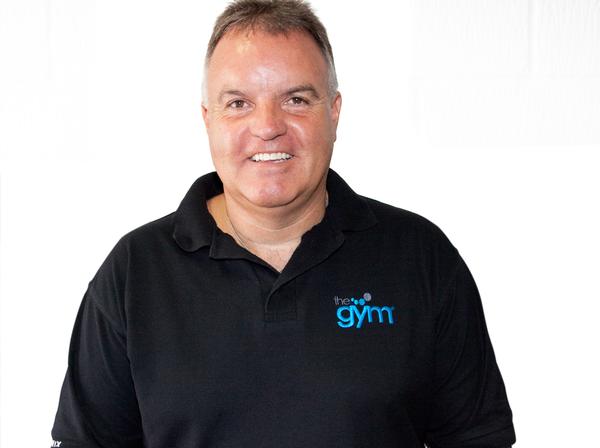
John Treharne
John Treharne

“I’m surprised at this research, because I think health club membership has become less middle class.

In the 80s and much of the 90s, a health club membership was expensive and therefore a middle class badge: health clubs were associated with the nouveau riche. In my view, that has changed dramatically over the last five years. In the UK, Europe and the US, there has been a cultural change which has made health club membership less middle class.

As the recession has taken hold, there’s been a shift towards value for money in all areas of life and among all socioeconomic groups, whether that’s travel, flights or even daily necessities: 18.6 per cent of the AB socioeconomic group now shop at Aldi and perceptions are changing. Indeed, Aldi has as many products rated ‘high’ by its customers as Waitrose and Marks & Spencer.

That shift towards value is evident in health clubs too: our research shows our members are evenly spread across the socioeconomic groups – ABs as well as people on benefits – and the majority are new to health club membership.

We believe our business model creates an inclusive environment: once you’re on a treadmill, it makes no difference what the person next to you earns.”

Karen Creavin,

Head of community sport & healthy lifestyles,

Birmingham City Council

“We’re very proud of the fact that, in Birmingham, we have almost 40 per cent of the population registered and using our facilities – that’s more people than voted in the last general election.

We’ve achieved this by identifying barriers and then removing them. Cost has proved to be one of the biggest barriers to attracting the lower socioeconomic groups, so since 2009 we’ve been offering Birmingham residents free access to our leisure centres at set hours during the day. Clubs in the most deprived areas offer the most free access.

Following the success of this Be Active programme, we also launched Active Parks in spring 2013. This offers free activities, such as Zumba, park fit and buggy fit, in parks. These sessions draw a lot of families: women tell us they don’t want childcare – they want activities they can do with their children.

These services are funded by the NHS and independent evaluation has shown that for every £1 spent, £21.30 is returned to the system. Our research shows we’re reaching all the groups, but are over-represented by those living in the poorest postcodes. People feel comfortable in the club when they’re among those who look and dress like themselves.”

Julian Berriman,

Research and development manager,

Premier Training
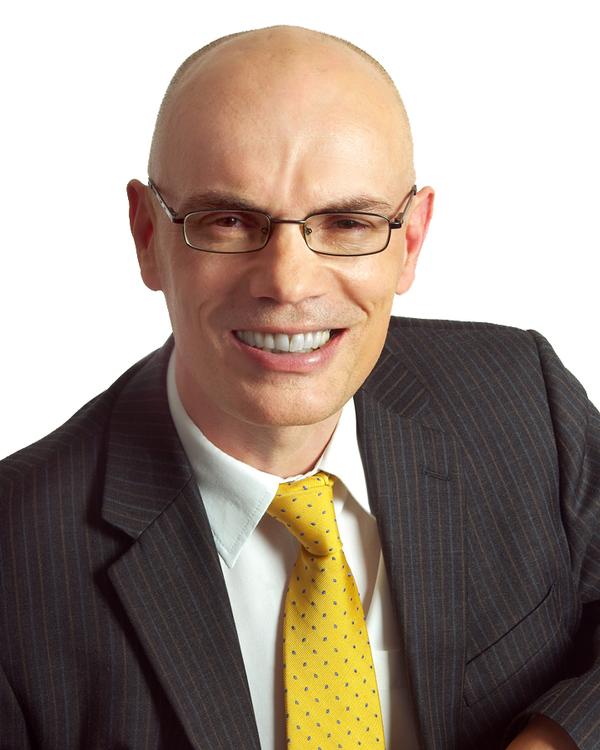
Julian Berriman
Julian Berriman

“I would agree that health clubs are not attracting the groups at the lower end of the socioeconomic scale. However, since April 2013 – when local authorities were charged with public health provision – there’s more funding available to target this population than ever before, and more onus on local authorities to find preventative measures to combat the rising tide of chronic illness in our communities.

To attract those most in need, provision needs to be more accessible and appealing: currently there’s a lack of community emphasis. Clubs need to start interacting with the communities they sit within and taking activities to where people already go.

To this end, Premier Training has designed a certificate: Promoting Community Health and Wellbeing. The certificate focuses on how to support behaviour change and long-term adherence to healthier living, and how to empower individuals to set their own goals. It covers four main areas of health: becoming more physically active, smoking cessation, healthy eating and alcohol awareness. Negative engagement in these behaviours is placing a huge financial burden on the wider economy and must be addressed at all levels of our society – but perhaps most urgently among the least well-off.”

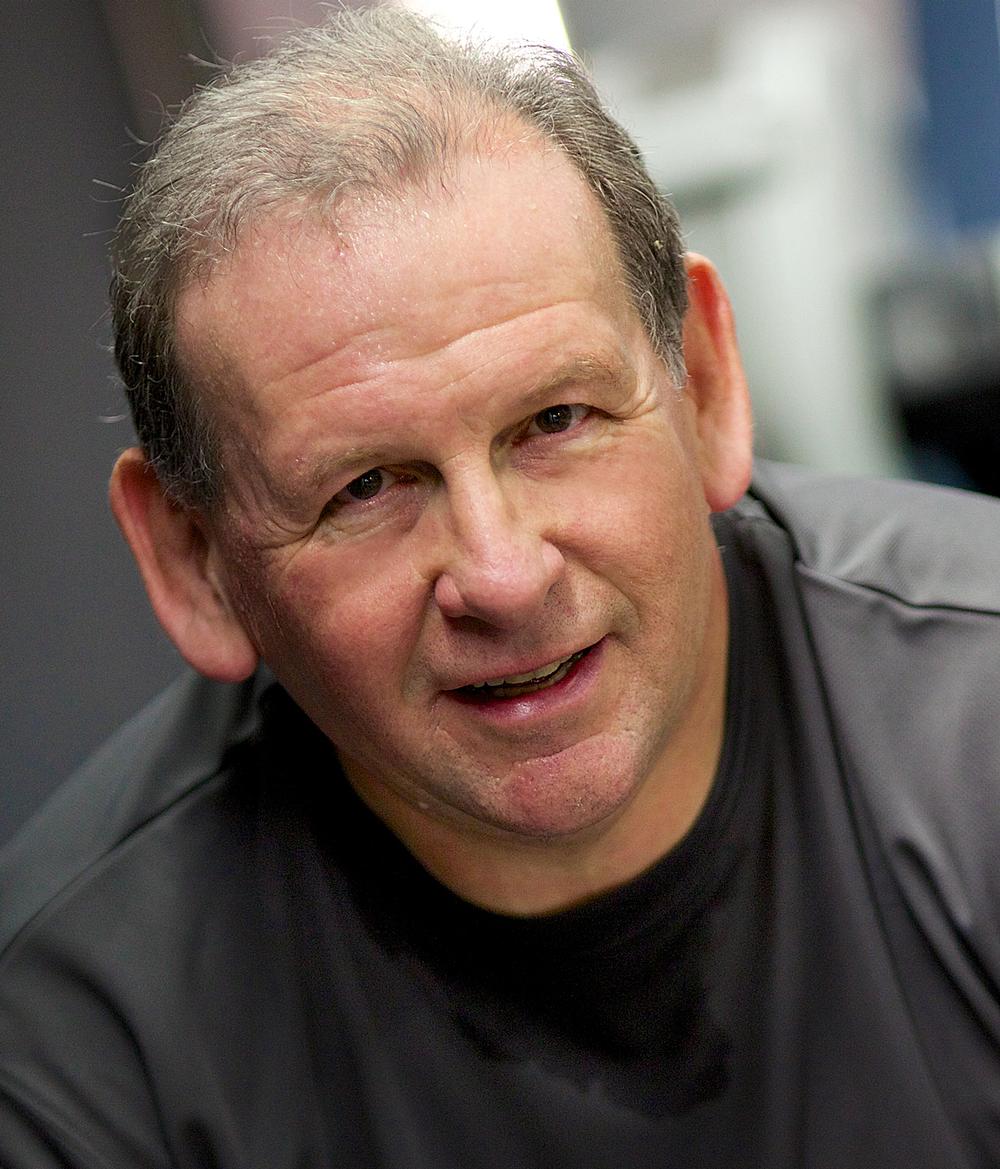
Kevin Yates,

Head of leisure,

Leisure Connection

Kevin Yates
Kevin Yates

“I have the utmost respect for this research, but I do have to question whether it paints a full picture. As a public access provider, it’s our job to target hard to reach groups including children, older people, disabled people and those on low incomes, whose participation often won’t be reflected in our membership numbers. For example, at one of our leisure centres we have 3,000 direct debit members, but a total of 11,000 users on the database and 750,000 visits a year.

I believe Leisure Connection is becoming increasingly innovative at targeting and reaching key socioeconomic groups. For example, the wellness activity bus in North Kesteven in the East Midlands – which takes activities to people in deprived areas – has 5,600 users and is just one example of how our teams are taking activities outside the four walls of our centres, to engage with hard to reach groups within their own environments. Often this is delivered free of charge, or at a discounted rate, to ensure participation.

The launch of health and wellbeing boards have made local authorities increasingly proactive in engaging the lower socioeconomic groups, but it’s important that, as providers, we can demonstrate outcomes in order to avoid cuts.”

Sign up here to get HCM's weekly ezine and every issue of HCM magazine free on digital.
Cosslett has worked in hospitality and for big brands like Unilever
The new approach is based on behavioural psychology to get members engaged
Classes and small group training help to create a sense of community in the clubs
The rebranding doesn’t stop at the ad campaigns, but rather penetrates company structures
https://www.leisureopportunities.co.uk/images/HCM2014_3talking.gif
How can we broaden the appeal of health clubs to all socioeconomic groups? Are we trying hard enough?
JOHN TREHARNE, The Gym Group, CEO, KAREN CREAVIN, Birmingham City Council, Head of community sport & healthy lifestyles, Julian Berriman, Premier Training, Research and development manager, KEVIN YATES, Leisure Connection, Head of leisure,Social groups, socioeconomics, middle class, working class, public sector, budget clubs
HCM magazine
Raphael Cuomo explores the powerful link between addiction, health and behaviour change
HCM magazine
As the entrepreneur who started Wexer, Fresh Fitness, Fitness DK and Repeat, as well as being a former elite athlete, Rasmus Ingerslev’s life looked perfect from the outside, but onthe inside it was a different story. He talks to Kath Hudson about healing old wounds
HCM magazine
Collaborations with the medical profession and greater aspirations around wellbeing are creating a need for more experts in our sector. It’s time to reboot our thinking around the workforce
HCM magazine
If the health service is to survive, we must recognise that it is a disease service – and that wellbeing rests with us, says the activity advocate and healthy ageing champion. He talks to Kate Cracknell
HCM magazine
Small improvements to sleep, diet and physical activity have major benefits for the heart, according to new research from the University of Sydney
HCM promotional features
Sponsored
David Lloyd is stepping up its commitment to women’s health as it continues to explore what fit-for-purpose looks like for the female population
HCM promotional features
Sponsored
Find out how your gym can tap into the corporate wellness boom
HCM promotional features
Sponsored
Greg Bradley looks at the shift towards strength training in gyms and advises on how operators can create the ultimate training environment
HCM promotional features
Sponsored
Third Space partnered with IndigoFitness to deliver a bespoke training space for its new club at The Whiteley
HCM promotional features
Sponsored
Starpool supports Olympic champion Marcell Jacobs, says Riccardo Turri
HCM promotional features
Sponsored
SnowDome Fitness has added 50 per cent more space with cutting-edge Technogym solutions
HCM promotional features
Sponsored
EGYM has opened a new HQ in Paternoster Square, London and revealed a range of new launches
HCM promotional features
Sponsored
Pulse Fitness has created a new health club delivering an elevated wellness experience
HCM promotional features
Promotion
Performance Health Systems, manufacturer of Power Plate, has a new CEO, with an ambitious vision for the company
HCM promotional features
Latest News
Europe’s largest low-cost operator, Basic-Fit, has agreed to acquire 41 Wellyou clubs in Germany for ...
Latest News
Longevity is the most important motivator for today’s exercisers and social connection is key, according ...
Latest News
Until has opened its fourth club at Canary Wharf, in the iconic YY London building. ...
Latest News
Ben Allen has been appointed managing director at Common Bond. Having set the company up ...
Latest News
Les Mills, whose name became synonymous with one of the world's leading fitness brands, has ...
Latest News
People taking GLP-1 weight loss medications such as Ozempic, Wegovy, Mounjaro and Zepbound may be ...
Latest News
Low-cost gym operator, PureGym, is trialling recovery zones at two of its UK sites, democratising ...
Latest News
In a milestone moment, mental health has become a core part of CIMSPA’s occupational professional ...
Opinion
promotion
Strength training has moved from the margins to the mainstream.
Opinion: Building smarter strength spaces for today’s operators
Featured supplier news
Featured supplier news: CoverMe extends matching service to personal training, rewriting how members and personal trainers connect
CoverMe, the global leader in fitness workforce management, today launches CoverMe PT, an on-demand personal training platform that connects the right personal trainer to the right client in under 10 seconds.
Featured supplier news
Featured supplier news: Cornerstone Connect helps Active Blackpool tackle health inequalities
Active Blackpool is deploying Cornerstone Connect, a new digital interface allowing disparate information from multiple systems to be aggregated into one dataset, to support its focus on reducing health inequalities and improving healthy life expectancy.
Company profiles
Company profile: Epassi UK
For the last 23 years they have been on a mission to create a fitter, ...
Company profiles
Company profile: Ziva Strength
Ziva is an elite-performance fitness brand that designs, manufactures, delivers, and services premium resistance training, ...
Supplier Showcases
Supplier Showcase - Future-proofing
Catalogue Gallery
Click on a catalogue to view it online
Featured press releases
Leisure Energy press release: Leisure Energy has joined the Everything Estates frameworks
Leisure Energy is now an approved supplier on the Everything Estates Renewables & Construction Framework.
Featured press releases
Swimming Teachers' Association (STA) press release: STA Safeguarding programme for aquatic professionals awarded CIMSPA endorsement and CPD points
STA is pleased to announce that its Safeguarding Children and Adults at Risk CPD has been endorsed by the Chartered Institute for the Management of Sport and Physical Activity (CIMSPA) against both the Safeguarding and Protecting Children and Safeguarding Adults technical specialism professional standards.
Directory
Spa and beauty equipment
Oakworks Inc: Spa and beauty equipment
Fitness tracking platform
SpiviTech: Fitness tracking platform
Lockers
Crown Sports Lockers: Lockers
Water experiences and hydrotherapy solutions
Aquaform s.r.l.: Water experiences and hydrotherapy solutions
Hot tubs
MSpa International Ltd: Hot tubs
Industrial washing machines
Miele Company Limited: Industrial washing machines
Property & Tenders
Stratford, East London.
Lee Valley Regional Park Authority
Property & Tenders
Y Felinheli, LL56 4QN
Newmark
Property & Tenders
Diary dates
21-24 Sep 2026
The Langham Huntington Pasadena , Pasadena, United States
Diary dates
06-08 Oct 2026
Messe Stuttgart, Stuttgart, Germany
Diary dates
22-22 Oct 2026
QEII Conference Centre, London,
Diary dates
26-29 Oct 2027
Koelnmesse Exhibition Centre, Cologne, Germany
Diary dates

features

Everyone's talking about...: Universal appeal

Research shows the middle classes dominate health club membership. How can we broaden the appeal to all socioeconomic groups – and how hard are we trying?

By Kath Hudson | Published in Health Club Management 2014 issue 3

Research from Dr Paul Bedford indicates that the membership profile across the private and public sectors is increasingly similar (see HCM Sept 13, p64). A large proportion of members are from the middle classes and eight MOSAIC profiles are significantly under-represented, with gyms struggling to lure the highest and lowest income groups.

So why is this? Certainly there’s more parity of offering between the sectors nowadays: the public sector has upped its game, offering high quality facilities at reasonable prices, while the private sector has struggled with ageing estates in tough economic times. Meanwhile, the growing budget club sector, closer to traditional public sector offerings in terms of pricing, would logically appeal to those on lower salaries – but as with the budget airlines, in practice it appeals equally to gym-savvy, value-driven professionals.

Another factor to bear in mind is the high volume of casual users in the public sector – a group that can’t currently be tracked, as operators can’t provide data for them. It’s possible that public sector participation is broader than the research reveals, but it still suggests lower income groups only participate as and when they can afford to, rather than committing to a new lifestyle.

Bedford explains: “The retention-focused research looked at who’s paying and how well we retain them. While we might be able to access wider populations by providing discounted/subsidised activities, we seem unable to find ways of selling memberships to these populations.”

If the industry is to tap into NHS funding and play a part in relieving the obesity epidemic, engaging with a broader demographic is vital. Even acknowledging the direct debit-based sample of the research, the question still needs to be asked: are we engaging with a sufficiently broad audience? If not, what are the barriers preventing lower socioeconomic groups from joining clubs?

John Treharne,

CEO,

The Gym Group

John Treharne
John Treharne

“I’m surprised at this research, because I think health club membership has become less middle class.

In the 80s and much of the 90s, a health club membership was expensive and therefore a middle class badge: health clubs were associated with the nouveau riche. In my view, that has changed dramatically over the last five years. In the UK, Europe and the US, there has been a cultural change which has made health club membership less middle class.

As the recession has taken hold, there’s been a shift towards value for money in all areas of life and among all socioeconomic groups, whether that’s travel, flights or even daily necessities: 18.6 per cent of the AB socioeconomic group now shop at Aldi and perceptions are changing. Indeed, Aldi has as many products rated ‘high’ by its customers as Waitrose and Marks & Spencer.

That shift towards value is evident in health clubs too: our research shows our members are evenly spread across the socioeconomic groups – ABs as well as people on benefits – and the majority are new to health club membership.

We believe our business model creates an inclusive environment: once you’re on a treadmill, it makes no difference what the person next to you earns.”

Karen Creavin,

Head of community sport & healthy lifestyles,

Birmingham City Council

“We’re very proud of the fact that, in Birmingham, we have almost 40 per cent of the population registered and using our facilities – that’s more people than voted in the last general election.

We’ve achieved this by identifying barriers and then removing them. Cost has proved to be one of the biggest barriers to attracting the lower socioeconomic groups, so since 2009 we’ve been offering Birmingham residents free access to our leisure centres at set hours during the day. Clubs in the most deprived areas offer the most free access.

Following the success of this Be Active programme, we also launched Active Parks in spring 2013. This offers free activities, such as Zumba, park fit and buggy fit, in parks. These sessions draw a lot of families: women tell us they don’t want childcare – they want activities they can do with their children.

These services are funded by the NHS and independent evaluation has shown that for every £1 spent, £21.30 is returned to the system. Our research shows we’re reaching all the groups, but are over-represented by those living in the poorest postcodes. People feel comfortable in the club when they’re among those who look and dress like themselves.”

Julian Berriman,

Research and development manager,

Premier Training

Julian Berriman
Julian Berriman

“I would agree that health clubs are not attracting the groups at the lower end of the socioeconomic scale. However, since April 2013 – when local authorities were charged with public health provision – there’s more funding available to target this population than ever before, and more onus on local authorities to find preventative measures to combat the rising tide of chronic illness in our communities.

To attract those most in need, provision needs to be more accessible and appealing: currently there’s a lack of community emphasis. Clubs need to start interacting with the communities they sit within and taking activities to where people already go.

To this end, Premier Training has designed a certificate: Promoting Community Health and Wellbeing. The certificate focuses on how to support behaviour change and long-term adherence to healthier living, and how to empower individuals to set their own goals. It covers four main areas of health: becoming more physically active, smoking cessation, healthy eating and alcohol awareness. Negative engagement in these behaviours is placing a huge financial burden on the wider economy and must be addressed at all levels of our society – but perhaps most urgently among the least well-off.”

Kevin Yates,

Head of leisure,

Leisure Connection

Kevin Yates
Kevin Yates

“I have the utmost respect for this research, but I do have to question whether it paints a full picture. As a public access provider, it’s our job to target hard to reach groups including children, older people, disabled people and those on low incomes, whose participation often won’t be reflected in our membership numbers. For example, at one of our leisure centres we have 3,000 direct debit members, but a total of 11,000 users on the database and 750,000 visits a year.

I believe Leisure Connection is becoming increasingly innovative at targeting and reaching key socioeconomic groups. For example, the wellness activity bus in North Kesteven in the East Midlands – which takes activities to people in deprived areas – has 5,600 users and is just one example of how our teams are taking activities outside the four walls of our centres, to engage with hard to reach groups within their own environments. Often this is delivered free of charge, or at a discounted rate, to ensure participation.

The launch of health and wellbeing boards have made local authorities increasingly proactive in engaging the lower socioeconomic groups, but it’s important that, as providers, we can demonstrate outcomes in order to avoid cuts.”
Sign up here to get HCM's weekly ezine and every issue of HCM magazine free on digital.
Cosslett has worked in hospitality and for big brands like Unilever
The new approach is based on behavioural psychology to get members engaged
Classes and small group training help to create a sense of community in the clubs
The rebranding doesn’t stop at the ad campaigns, but rather penetrates company structures
https://www.leisureopportunities.co.uk/images/HCM2014_3talking.gif
How can we broaden the appeal of health clubs to all socioeconomic groups? Are we trying hard enough?
JOHN TREHARNE, The Gym Group, CEO, KAREN CREAVIN, Birmingham City Council, Head of community sport & healthy lifestyles, Julian Berriman, Premier Training, Research and development manager, KEVIN YATES, Leisure Connection, Head of leisure,Social groups, socioeconomics, middle class, working class, public sector, budget clubs
Latest News
Europe’s largest low-cost operator, Basic-Fit, has agreed to acquire 41 Wellyou clubs in Germany for ...
Latest News
Longevity is the most important motivator for today’s exercisers and social connection is key, according ...
Latest News
Until has opened its fourth club at Canary Wharf, in the iconic YY London building. ...
Latest News
Ben Allen has been appointed managing director at Common Bond. Having set the company up ...
Latest News
Les Mills, whose name became synonymous with one of the world's leading fitness brands, has ...
Latest News
People taking GLP-1 weight loss medications such as Ozempic, Wegovy, Mounjaro and Zepbound may be ...
Latest News
Low-cost gym operator, PureGym, is trialling recovery zones at two of its UK sites, democratising ...
Latest News
In a milestone moment, mental health has become a core part of CIMSPA’s occupational professional ...
Latest News
US high-value, low-price chain, Eos Fitness, has announced plans to pilot reformer Pilates in three ...
Latest News
Preventive healthcare company Neko Health has added body composition analysis to its full-body health scan ...
Latest News
Chequan Lewis is the new CEO of Crunch Fitness, taking over from Jim Rowley, who ...
Opinion
promotion
Strength training has moved from the margins to the mainstream.
Opinion: Building smarter strength spaces for today’s operators
Featured supplier news
Featured supplier news: CoverMe extends matching service to personal training, rewriting how members and personal trainers connect
CoverMe, the global leader in fitness workforce management, today launches CoverMe PT, an on-demand personal training platform that connects the right personal trainer to the right client in under 10 seconds.
Featured supplier news
Featured supplier news: Cornerstone Connect helps Active Blackpool tackle health inequalities
Active Blackpool is deploying Cornerstone Connect, a new digital interface allowing disparate information from multiple systems to be aggregated into one dataset, to support its focus on reducing health inequalities and improving healthy life expectancy.
Company profiles
Company profile: Epassi UK
For the last 23 years they have been on a mission to create a fitter, ...
Company profiles
Company profile: Ziva Strength
Ziva is an elite-performance fitness brand that designs, manufactures, delivers, and services premium resistance training, ...
Supplier Showcases
Supplier Showcase - Future-proofing
Catalogue Gallery
Click on a catalogue to view it online
Featured press releases
Leisure Energy press release: Leisure Energy has joined the Everything Estates frameworks
Leisure Energy is now an approved supplier on the Everything Estates Renewables & Construction Framework.
Featured press releases
Swimming Teachers' Association (STA) press release: STA Safeguarding programme for aquatic professionals awarded CIMSPA endorsement and CPD points
STA is pleased to announce that its Safeguarding Children and Adults at Risk CPD has been endorsed by the Chartered Institute for the Management of Sport and Physical Activity (CIMSPA) against both the Safeguarding and Protecting Children and Safeguarding Adults technical specialism professional standards.
Directory
Spa and beauty equipment
Oakworks Inc: Spa and beauty equipment
Fitness tracking platform
SpiviTech: Fitness tracking platform
Lockers
Crown Sports Lockers: Lockers
Water experiences and hydrotherapy solutions
Aquaform s.r.l.: Water experiences and hydrotherapy solutions
Hot tubs
MSpa International Ltd: Hot tubs
Industrial washing machines
Miele Company Limited: Industrial washing machines
Property & Tenders
Stratford, East London.
Lee Valley Regional Park Authority
Property & Tenders
Y Felinheli, LL56 4QN
Newmark
Property & Tenders
Diary dates
21-24 Sep 2026
The Langham Huntington Pasadena , Pasadena, United States
Diary dates
06-08 Oct 2026
Messe Stuttgart, Stuttgart, Germany
Diary dates
22-22 Oct 2026
QEII Conference Centre, London,
Diary dates
26-29 Oct 2027
Koelnmesse Exhibition Centre, Cologne, Germany
Diary dates
Search news, features & products:
Find a supplier:
Partner sites