
















We Work Well Events
We Work Well Events
We Work Well Events
Follow Health Club Management on Twitter Like Health Club Management on Facebook Join the discussion with Health Club Management on LinkedIn
FITNESS, HEALTH, WELLNESS

features

Talking point: Trauma release

Does underlying and often unacknowledged trauma make it difficult for people to make shifts in their behaviours to a more healthy lifestyle and is this something the industry could help with? Kath Hudson asks the experts

Published in Health Club Management 2024 issue 7
“People’s bodies tell us stories about their identities and the ways they move through the world” says Mariah Rooney / photo: Shutterstock / Rawpixel.com

Around the world there’s been a sharp rise in mental illness, burnout, sleep issues and eating disorders since the pandemic. Many people who’d enjoyed good mental health prior to COVID reported their wellbeing levels had declined by the time we started pulling out of it.

It’s a consumer pain point: McKinsey’s 2024 Future of Wellness survey found 37 per cent of consumers want sleep and mindfulness products that address cognitive function, stress and anxiety management.

Research shows that stress and trauma don’t just impact the mind, they can also get stored in the body, dysregulating the nervous system and leading to behaviour change and mental health issues.

The inability to stick to a diet or exercise plan can be internalised as failure by the individual and fitness professionals often label it as a lack of motivation.

Could addressing underlying trauma and bringing the mind and body into balance be the starting point for behaviour change and if so, is this something fitness professionals could help with? We ask the experts.

Mariah Rooney
Founder, Trauma Informed Weight Lifting
photo: TIWL

Trauma is broad ranging, not just one big event. It’s the things which happen to us which overwhelm us and our ability to cope. It’s also about the things which didn’t happen – for example, not having our emotional needs taken care of when growing up.

Social worker Resmaa Menakem (www.resmaa.com) says: “Trauma decontextualised in a person looks like personality, trauma decontextualised in a family looks like family traits and trauma decontextualised in people looks like culture.” I go to that quote a lot because it points out the way we pathologise behaviours, rather than looking at the stories they tell.

People’s bodies tell us stories about their identities and the ways they move through the world. If we can collectively have a more curious approach to what those stories are telling us then I think we can take a more trauma-informed approach to health and fitness.

People who’ve experienced complex and developmental trauma have internal schemas about what they believe about themselves and their bodies – including where they do and don’t belong – and will try to predict what will happen in certain environments. The most important shift is helping them step into a new schema that enables them to see what could be possible in their lives.

If we’re willing to get curious and look at what’s underneath behaviours that present as challenging to engage, we get a lot of information about people’s histories, their coping strategies and how they’ve learned to adapt.

Difficulty with engagement can be deeply rooted in fear around issues such as not feeling welcome, that they don’t belong in these spaces, or concerns about being overwhelmed by the environment. This presents the opportunity to get curious about understanding their story and removing the barriers which might be getting in the way.

Fitness professionals are not therapists and must honour their scope of practice, however, they can be therapeutic. If you work with people, you work with trauma, so learning how to take a trauma-informed approach could help fitness professionals hold space for people who are feeling dysregulated.

More: www.tiwl.org

If you work with people, you work with trauma, so learning how to take a trauma-informed approach could help fitness professionals
Liz Tenuto
Stress and trauma release expert
photo: Liz Tenuto

Trauma doesn’t come about just because of war or abuse. Countless traumas are often overlooked, including emotional abuse, neglect, the death of a loved one, the end of a significant relationship, invasive medical procedures, repeated teasing or harassment, long-term chronic stress, discrimination, systemic oppression, witnessing an accident, witnessing intense conflict or abuse, frequently moving house during childhood and financial difficulties.

It’s important to understand that trauma doesn’t just affect someone emotionally and mentally, it also affects the body, causing the biological stress response to become activated and the stress hormones cortisol and adrenaline to be released. This creates physical sensations of stress such as muscle tension, physical pain, jaw clenching, unexplained gut issues, sleep issues, unexplained weight gain and forgetting to breathe.

Trauma also leads to nervous system dysregulation, which is responsible for the body’s fight, flight and freeze responses. After experiencing trauma, survivors often remain in a long-term state of dysregulation, or survival mode. These physiological responses commonly lead to self-neglect and unhealthy lifestyle choices.

Unresolved trauma can cause individuals to disconnect from themselves and shut down physically, mentally and emotionally. This can manifest as unhealthy lifestyle choices – such as addiction, over-eating, under-eating, needing to stay busy all the time, workaholism, perfectionism, living a sedentary lifestyle or self-isolating.

These unhealthy lifestyle choices are not moral failures and they’re not the individual’s fault, they’re subconscious, autonomic reactions within the nervous system, also known as trauma responses. When people struggle to eat well or exercise consistently they blame themselves and think there’s something inherently wrong with them. This in itself is also a trauma response not helped by the fact that there’s so much messaging from the fitness, weight loss and health sectors that perpetuates the narrative that not being able to maintain a healthy lifestyle means someone is a failure.

Living in survival mode for years – or decades – from either unresolved trauma or long-term stress, makes it nearly impossible to maintain a healthy lifestyle. In survival mode, you’re living on auto-pilot and making it through each day. The brain literally can’t zoom out and focus on establishing healthy habits long-term, which is why so many people fall off their diet or exercise plan 10-14 days after starting it.

Since unresolved trauma is a root cause of unhealthy lifestyles, it’s not possible to create a healthy lifestyle without addressing mental and emotional health. Conversely, addressing that trauma is the most direct way to help people change their behaviours and adopt healthy habits.

Somatic exercises are the best first step to release stress and stored trauma from the body, to bring it out of the biological stress response and regulate the nervous system so the mind-body connection can come back to homeostasis. Once this is achieved, the individual will be able to establish healthy habits and those practices will be much more effective long-term.

Liz Tenuto is founder of The Workout Witch and specialises in somatic exercise www.theworkoutwitch.com


‘STAY IN LANE’ INTERVENTIONS

• Offer quiet sessions with the music off: the gym environment can be overwhelming and noisy for people who are dysregulated (or who don’t like the soundtrack)

• When working with clients on goal-setting encourage them to be kind to themselves

• The bare minimum is okay: small but consistent has a compound effect

• Shaking the body – just a simple shake – can work wonders at shifting the state

• If a client does talk to you about their issues, provide a safe space for them to feel seen and heard. You don’t have to provide solutions

• Show no judgement

• Be curious about the barriers to someone not exercising, or falling off their plan and ask if you could help remove any of those barriers

• Acknowledge that someone who appears unmotivated may be stuck in the freeze response. Don’t label them


NERVOUS SYSTEM RE-SET: TOOLBOX

• Somatic exercises

• EFT tapping

• Sound baths

• Meditation

• Restorative yoga

• Shaking

• Hydration

• Resting

• Journalling

• Breathwork

• Sighing

• Time in nature

• Grounding exercises

• Affirmation practice

Trauma survivors often remain in a long-term state of dysregulation, which commonly leads to self-neglect and unhealthy lifestyle choices
Somatic exercises are a good first step to release stress and stored trauma from the body / photo: Shutterstock / Yevhen Titov
Wendy O’Beirne
Founder, The Completion Coach
photo: Wendy O’Beirne

Many of my clients don’t believe they’ve suffered from trauma when we first sit down, however, a negative experience on repeat can create a whole set of reactions, beliefs, behaviours and an internal story that blocks progress.

If we stop using the word trauma and use language such as “the impact of our experiences”, it could open up the conversation and allow more people to understand that all of our experiences have created internal systems that work for us and often some that work against us, causing conflict between what we say we want to do and what we actually do.

Many people avoid addressing their internal world by focusing on external goals, but this often leads to a feeling of disconnect, burnout and a general lack of fulfilment, so they jump from goal to goal and rarely see any through.

Looking at our internal state and interrupting the story that’s running us (subconsciously) leads to more enjoyment, desire towards things we want to achieve and then a general improvement in health.

Studies show we have anything from 60,000 to 100,000 thoughts a day, 80 per cent are negative and up to 90 per cent are repeated every day. It’s important that we can interrupt that. Our nervous system has evolved to keep us safe, but it can work against us, creating blocks in relation to change we actually want. Understanding this allows people to see that their inability to change isn’t due to a lack of commitment or even necessarily ability.

We need more awareness of (and conversation around) why people might be struggling, or at least finding it difficult to follow through on things they’re saying are important to them.

While working with mental health professionals could support the work fitness professionals are doing, there are also some simple tools that can be used to help clients who are feeling stuck. Shaking the body can get rid of tension and ‘stuckness’ which will move them out of the freeze response, for example, while taking long slow breaths and coming intentionally into the present can also help calm the nervous system and slow down the mind.

By understanding that everyone deals with these issues to some extent, we can move away from the idea that this work is just for people with mental health issues. Understanding ourselves is as important as learning how to read and write. If we could alter conversations to encourage everyone to be more curious about themselves, the fitness sector could help more people make internal shifts that enable true wellbeing to come about.

www.thecompletioncoach.co.uk

There need to be more conversations around why people find it difficult to follow through on things they’re saying are important to them
Understanding ourselves is as important as learning how to read and write / photo: Shutterstock Alina Hedz/ Alina Hedz
Trauma release Further resources

• Trauma Informed Weight Lifting runs a 15-hour Foundation Training course to help fitness professionals who are curious about how to incorporate the principles into their practice to explore the relationship between trauma and weightlifting. A more in-depth eight-week programme is approved by the National Academy of Sports Medicine and develops the knowledge and skills to facilitate TIWL sessions as an adjunctive treatment for complex trauma and PTSD.

www.tiwl.org

• The John W Brick Mental Health Foundation offers a Fitness Professionals Certification for Mental Wellbeing, which is distributed by the Mental Wellness Association. This online qualification teaches how self-care approaches – such as exercise, nutrition and mind-body practices – can help in the treatment of mental illness and the promotion of mental wellbeing – specifically how to implement evidence- based approaches.

www.johnwbrickfoundation.org

• Liz Tenuto offers a course that teaches exercise professionals how to incorporate stress and trauma releasing exercises and how to address trauma. She also offers practical guidance in how to teach exercise in a trauma-informed way.

www.theworkoutwitch.com

• The Completion Coach offers interactive workshops, wellbeing days, retreats and long-term consultancy to empower managers to support workforce wellbeing.

www.thecompletioncoach.co.uk

Rebel Wilson
Actor and author of Rebel Rising

Food was always a coping mechanism for me, which I used to numb all my emotions – happiness as well as sadness.

As a child, I comfort-ate to cope with my Dad’s anger issues and stresses in the household about money and later on I used it to cope with the pressures of career and fame. The resulting weight I carried became a protection and a barrier to connection and intimacy. I also made millions of dollars being an overweight comedienne.

But I would feel down about myself and my shameful secret of engaging in unhealthy behaviours. Even though I would start the day off by going to the gym, I couldn’t break the cycle of comfort eating in the evening and would find myself mindlessly eating pizza and ice cream after work. I couldn’t even handle a good mood – I’d have to eat to dampen it down.

I tried the New Year’s resolutions, went to a couple of health resorts and tried some diets, but nothing was sustainable and I shamed myself for not having the willpower to stick to anything.

Even though I’m all up for body positivity and all bodies being beautiful, as I got close to 40 I started to have concerns about my weight and habits leading to disease, especially as my dad had suffered from diabetes.

The real kicker for change was finding a doctor who dealt with how your emotions affect your physical health. This was one thing I had never investigated – talking about emotions in my family was a no-no when I was growing up. But it was those emotions that were making me eat in a disordered way.

The first few months were difficult, because all the things I’d been suppressing came up. Then I learned to process and manage my emotions without the help of food. I had to face a lot of sadness that I’d been hiding from, as well as unresolved issues with (and anger towards) my father.

As I processed the emotions the weight came off. I was exercising and eating healthily as well, but processing the emotions allowed me to pursue the healthy behaviours. If you’re an emotional eater, like I was, there’s no magic pill, or diet, the answer is literally to deal with the emotional reasons of why you act that way.

As told to Fearne Cotton on the Happy Place podcast ©Happy Place

As I got close to 40 I started to have concerns about my weight and habits leading to disease
Rebel Wilson – here with financée Ramona Agruma – has rebooted her life / photo: Shutterstock / Featureflash Photo Agency
https://www.leisureopportunities.co.uk/images/2024/293716_201282.jpg
Unacknowledged trauma can make it hard to make lifestyle changes finds Kath Hudson
HCM magazine
As the entrepreneur who started Wexer, Fresh Fitness, Fitness DK and Repeat, as well as being a former elite athlete, Rasmus Ingerslev’s life looked perfect from the outside, but onthe inside it was a different story. He talks to Kath Hudson about healing old wounds
HCM magazine
Raphael Cuomo explores the powerful link between addiction, health and behaviour change
HCM magazine
Strength training is evolving, driven by changing consumer preferences. Julie Cramer talks to innovators about how their products are meeting this demand
HCM magazine
I experienced a blissful feeling of joy I hadn’t felt since I was a kid
HCM magazine
Collaborations with the medical profession and greater aspirations around wellbeing are creating a need for more experts in our sector. It’s time to reboot our thinking around the workforce
HCM promotional features
Sponsored
Third Space partnered with IndigoFitness to deliver a bespoke training space for its new club at The Whiteley
HCM promotional features
Sponsored
SnowDome Fitness has added 50 per cent more space with cutting-edge Technogym solutions
HCM promotional features
Sponsored
Find out how your gym can tap into the corporate wellness boom
HCM promotional features
Sponsored
Greg Bradley looks at the shift towards strength training in gyms and advises on how operators can create the ultimate training environment
HCM promotional features
Sponsored
David Lloyd is stepping up its commitment to women’s health as it continues to explore what fit-for-purpose looks like for the female population
HCM promotional features
Sponsored
Starpool supports Olympic champion Marcell Jacobs, says Riccardo Turri
HCM promotional features
Sponsored
EGYM has opened a new HQ in Paternoster Square, London and revealed a range of new launches
HCM promotional features
Sponsored
Pulse Fitness has created a new health club delivering an elevated wellness experience
HCM promotional features
Sponsored
New launch, Salus House, elevates boutique wellness with high service levels and a partnership with Technogym
HCM promotional features
Latest News
Australia’s fast-growing fitness network, Viva Leisure, is adding a low-cost gym brand to its already ...
Latest News
Speedflex has launched a strength training programme for 10 to 16-year-olds, to make it safer, ...
Latest News
Tewinbury Farm Hotel in Hertfordshire, UK is expanding its premium leisure proposition with the launch ...
Latest News

Work is underway in Madrid on one of Europe’s most significant multi-functional complexes, ...

Latest News
PureGym is encouraging people to step away from their screens and go for a walk, ...
Latest News
Small improvements to sleep, diet quality, and physical activity, made in combination lead to a ...
Latest News
Therme Manchester’s 28-acre development, which will include interconnected glass pavilions that measure 65,000sq m, will ...
Latest News
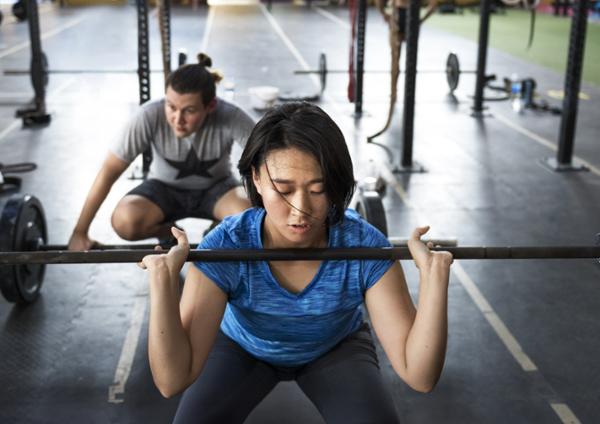
The Yard Gym (TYG) is to become Nike Training’s official global training partner in a ...
Opinion
promotion
Strength training has moved from the margins to the mainstream.
Opinion: Building smarter strength spaces for today’s operators
Featured supplier news
Featured supplier news: Elevate 2026 to mark 10-year anniversary with biggest ever waterfront drinks reception
Elevate is set to celebrate its 10th anniversary in style this June, with organisers confirming the event’s largest-ever drinks reception as registrations continue to run more than 10% ahead of last year.
Featured supplier news
Featured supplier news: Reaching the people most gyms miss: Bedford Gym & Swim Campaign delivers 410 new members
One of the biggest mistakes the fitness industry still makes is advertising almost exclusively to people who already look and live like gym members.
Company profiles
Company profile: Fold
Fold is the company behind the UK's leading at home foldable reformer pilates bed, bringing ...
Company profiles
Company profile: CET CryoSpas
CET have developed ice baths specifically for the fitness and wellness sectors in addition to ...
Supplier Showcases
Supplier Showcase - From nightclub to health club
Supplier Showcases
Supplier Showcase - Future-proofing
Catalogue Gallery
Click on a catalogue to view it online
Featured press releases
ukactive press release: Are they Fit for Office? UK Active and Technogym throw down the gauntlet to MPs
Hundreds of staff, MPs and Peers from across Westminster have signed up for the Fit for Office parliamentary physical activity challenge, which takes place throughout June and is hosted by ukactive and Technogym.
Featured press releases
Innerva press release: Lex Leisure’s power-assisted exercise suite smashes targets in record time
Crook Log Leisure Centre has more than doubled the membership target for its new power- assisted exercise suite in less than six months.
Directory
Industrial washing machines
Miele Company Limited: Industrial washing machines
Lockers
Crown Sports Lockers: Lockers
Water experiences and hydrotherapy solutions
Aquaform s.r.l.: Water experiences and hydrotherapy solutions
Hot tubs
MSpa International Ltd: Hot tubs
Fitness tracking platform
SpiviTech: Fitness tracking platform
Spa and beauty equipment
Oakworks Inc: Spa and beauty equipment
Property & Tenders
Stratford, East London.
Lee Valley Regional Park Authority
Property & Tenders
Y Felinheli, LL56 4QN
Newmark
Property & Tenders
Diary dates
13-13 Jun 2026
Worldwide, Various,
Diary dates
21-24 Sep 2026
The Langham Huntington Pasadena , Pasadena, United States
Diary dates
06-08 Oct 2026
Messe Stuttgart, Stuttgart, Germany
Diary dates
22-22 Oct 2026
QEII Conference Centre, London,
Diary dates
26-29 Oct 2027
Koelnmesse Exhibition Centre, Cologne, Germany
Diary dates

features

Talking point: Trauma release

Does underlying and often unacknowledged trauma make it difficult for people to make shifts in their behaviours to a more healthy lifestyle and is this something the industry could help with? Kath Hudson asks the experts

Published in Health Club Management 2024 issue 7
“People’s bodies tell us stories about their identities and the ways they move through the world” says Mariah Rooney / photo: Shutterstock / Rawpixel.com

Around the world there’s been a sharp rise in mental illness, burnout, sleep issues and eating disorders since the pandemic. Many people who’d enjoyed good mental health prior to COVID reported their wellbeing levels had declined by the time we started pulling out of it.

It’s a consumer pain point: McKinsey’s 2024 Future of Wellness survey found 37 per cent of consumers want sleep and mindfulness products that address cognitive function, stress and anxiety management.

Research shows that stress and trauma don’t just impact the mind, they can also get stored in the body, dysregulating the nervous system and leading to behaviour change and mental health issues.

The inability to stick to a diet or exercise plan can be internalised as failure by the individual and fitness professionals often label it as a lack of motivation.

Could addressing underlying trauma and bringing the mind and body into balance be the starting point for behaviour change and if so, is this something fitness professionals could help with? We ask the experts.
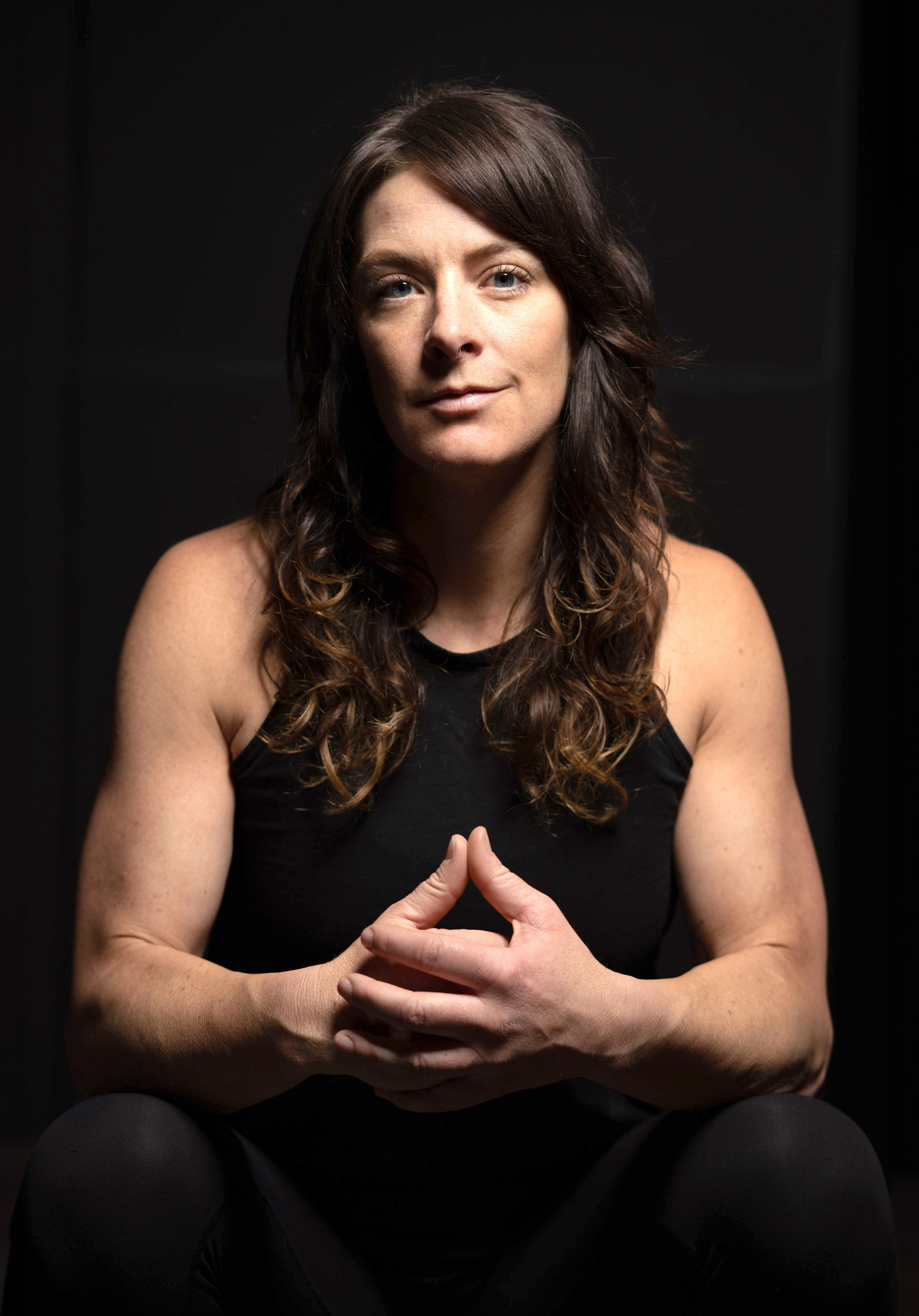
Mariah Rooney
Founder, Trauma Informed Weight Lifting
photo: TIWL

Trauma is broad ranging, not just one big event. It’s the things which happen to us which overwhelm us and our ability to cope. It’s also about the things which didn’t happen – for example, not having our emotional needs taken care of when growing up.

Social worker Resmaa Menakem (www.resmaa.com) says: “Trauma decontextualised in a person looks like personality, trauma decontextualised in a family looks like family traits and trauma decontextualised in people looks like culture.” I go to that quote a lot because it points out the way we pathologise behaviours, rather than looking at the stories they tell.

People’s bodies tell us stories about their identities and the ways they move through the world. If we can collectively have a more curious approach to what those stories are telling us then I think we can take a more trauma-informed approach to health and fitness.

People who’ve experienced complex and developmental trauma have internal schemas about what they believe about themselves and their bodies – including where they do and don’t belong – and will try to predict what will happen in certain environments. The most important shift is helping them step into a new schema that enables them to see what could be possible in their lives.

If we’re willing to get curious and look at what’s underneath behaviours that present as challenging to engage, we get a lot of information about people’s histories, their coping strategies and how they’ve learned to adapt.

Difficulty with engagement can be deeply rooted in fear around issues such as not feeling welcome, that they don’t belong in these spaces, or concerns about being overwhelmed by the environment. This presents the opportunity to get curious about understanding their story and removing the barriers which might be getting in the way.

Fitness professionals are not therapists and must honour their scope of practice, however, they can be therapeutic. If you work with people, you work with trauma, so learning how to take a trauma-informed approach could help fitness professionals hold space for people who are feeling dysregulated.

More: www.tiwl.org

If you work with people, you work with trauma, so learning how to take a trauma-informed approach could help fitness professionals
Liz Tenuto
Stress and trauma release expert
photo: Liz Tenuto

Trauma doesn’t come about just because of war or abuse. Countless traumas are often overlooked, including emotional abuse, neglect, the death of a loved one, the end of a significant relationship, invasive medical procedures, repeated teasing or harassment, long-term chronic stress, discrimination, systemic oppression, witnessing an accident, witnessing intense conflict or abuse, frequently moving house during childhood and financial difficulties.

It’s important to understand that trauma doesn’t just affect someone emotionally and mentally, it also affects the body, causing the biological stress response to become activated and the stress hormones cortisol and adrenaline to be released. This creates physical sensations of stress such as muscle tension, physical pain, jaw clenching, unexplained gut issues, sleep issues, unexplained weight gain and forgetting to breathe.

Trauma also leads to nervous system dysregulation, which is responsible for the body’s fight, flight and freeze responses. After experiencing trauma, survivors often remain in a long-term state of dysregulation, or survival mode. These physiological responses commonly lead to self-neglect and unhealthy lifestyle choices.

Unresolved trauma can cause individuals to disconnect from themselves and shut down physically, mentally and emotionally. This can manifest as unhealthy lifestyle choices – such as addiction, over-eating, under-eating, needing to stay busy all the time, workaholism, perfectionism, living a sedentary lifestyle or self-isolating.

These unhealthy lifestyle choices are not moral failures and they’re not the individual’s fault, they’re subconscious, autonomic reactions within the nervous system, also known as trauma responses. When people struggle to eat well or exercise consistently they blame themselves and think there’s something inherently wrong with them. This in itself is also a trauma response not helped by the fact that there’s so much messaging from the fitness, weight loss and health sectors that perpetuates the narrative that not being able to maintain a healthy lifestyle means someone is a failure.

Living in survival mode for years – or decades – from either unresolved trauma or long-term stress, makes it nearly impossible to maintain a healthy lifestyle. In survival mode, you’re living on auto-pilot and making it through each day. The brain literally can’t zoom out and focus on establishing healthy habits long-term, which is why so many people fall off their diet or exercise plan 10-14 days after starting it.

Since unresolved trauma is a root cause of unhealthy lifestyles, it’s not possible to create a healthy lifestyle without addressing mental and emotional health. Conversely, addressing that trauma is the most direct way to help people change their behaviours and adopt healthy habits.

Somatic exercises are the best first step to release stress and stored trauma from the body, to bring it out of the biological stress response and regulate the nervous system so the mind-body connection can come back to homeostasis. Once this is achieved, the individual will be able to establish healthy habits and those practices will be much more effective long-term.

Liz Tenuto is founder of The Workout Witch and specialises in somatic exercise www.theworkoutwitch.com


‘STAY IN LANE’ INTERVENTIONS

• Offer quiet sessions with the music off: the gym environment can be overwhelming and noisy for people who are dysregulated (or who don’t like the soundtrack)

• When working with clients on goal-setting encourage them to be kind to themselves

• The bare minimum is okay: small but consistent has a compound effect

• Shaking the body – just a simple shake – can work wonders at shifting the state

• If a client does talk to you about their issues, provide a safe space for them to feel seen and heard. You don’t have to provide solutions

• Show no judgement

• Be curious about the barriers to someone not exercising, or falling off their plan and ask if you could help remove any of those barriers

• Acknowledge that someone who appears unmotivated may be stuck in the freeze response. Don’t label them


NERVOUS SYSTEM RE-SET: TOOLBOX

• Somatic exercises

• EFT tapping

• Sound baths

• Meditation

• Restorative yoga

• Shaking

• Hydration

• Resting

• Journalling

• Breathwork

• Sighing

• Time in nature

• Grounding exercises

• Affirmation practice

Trauma survivors often remain in a long-term state of dysregulation, which commonly leads to self-neglect and unhealthy lifestyle choices
Somatic exercises are a good first step to release stress and stored trauma from the body / photo: Shutterstock / Yevhen Titov
Wendy O’Beirne
Founder, The Completion Coach
photo: Wendy O’Beirne

Many of my clients don’t believe they’ve suffered from trauma when we first sit down, however, a negative experience on repeat can create a whole set of reactions, beliefs, behaviours and an internal story that blocks progress.

If we stop using the word trauma and use language such as “the impact of our experiences”, it could open up the conversation and allow more people to understand that all of our experiences have created internal systems that work for us and often some that work against us, causing conflict between what we say we want to do and what we actually do.

Many people avoid addressing their internal world by focusing on external goals, but this often leads to a feeling of disconnect, burnout and a general lack of fulfilment, so they jump from goal to goal and rarely see any through.

Looking at our internal state and interrupting the story that’s running us (subconsciously) leads to more enjoyment, desire towards things we want to achieve and then a general improvement in health.

Studies show we have anything from 60,000 to 100,000 thoughts a day, 80 per cent are negative and up to 90 per cent are repeated every day. It’s important that we can interrupt that. Our nervous system has evolved to keep us safe, but it can work against us, creating blocks in relation to change we actually want. Understanding this allows people to see that their inability to change isn’t due to a lack of commitment or even necessarily ability.

We need more awareness of (and conversation around) why people might be struggling, or at least finding it difficult to follow through on things they’re saying are important to them.

While working with mental health professionals could support the work fitness professionals are doing, there are also some simple tools that can be used to help clients who are feeling stuck. Shaking the body can get rid of tension and ‘stuckness’ which will move them out of the freeze response, for example, while taking long slow breaths and coming intentionally into the present can also help calm the nervous system and slow down the mind.

By understanding that everyone deals with these issues to some extent, we can move away from the idea that this work is just for people with mental health issues. Understanding ourselves is as important as learning how to read and write. If we could alter conversations to encourage everyone to be more curious about themselves, the fitness sector could help more people make internal shifts that enable true wellbeing to come about.

www.thecompletioncoach.co.uk

There need to be more conversations around why people find it difficult to follow through on things they’re saying are important to them
Understanding ourselves is as important as learning how to read and write / photo: Shutterstock Alina Hedz/ Alina Hedz
Trauma release Further resources

• Trauma Informed Weight Lifting runs a 15-hour Foundation Training course to help fitness professionals who are curious about how to incorporate the principles into their practice to explore the relationship between trauma and weightlifting. A more in-depth eight-week programme is approved by the National Academy of Sports Medicine and develops the knowledge and skills to facilitate TIWL sessions as an adjunctive treatment for complex trauma and PTSD.

www.tiwl.org

• The John W Brick Mental Health Foundation offers a Fitness Professionals Certification for Mental Wellbeing, which is distributed by the Mental Wellness Association. This online qualification teaches how self-care approaches – such as exercise, nutrition and mind-body practices – can help in the treatment of mental illness and the promotion of mental wellbeing – specifically how to implement evidence- based approaches.

www.johnwbrickfoundation.org

• Liz Tenuto offers a course that teaches exercise professionals how to incorporate stress and trauma releasing exercises and how to address trauma. She also offers practical guidance in how to teach exercise in a trauma-informed way.

www.theworkoutwitch.com

• The Completion Coach offers interactive workshops, wellbeing days, retreats and long-term consultancy to empower managers to support workforce wellbeing.

www.thecompletioncoach.co.uk

Rebel Wilson
Actor and author of Rebel Rising

Food was always a coping mechanism for me, which I used to numb all my emotions – happiness as well as sadness.

As a child, I comfort-ate to cope with my Dad’s anger issues and stresses in the household about money and later on I used it to cope with the pressures of career and fame. The resulting weight I carried became a protection and a barrier to connection and intimacy. I also made millions of dollars being an overweight comedienne.

But I would feel down about myself and my shameful secret of engaging in unhealthy behaviours. Even though I would start the day off by going to the gym, I couldn’t break the cycle of comfort eating in the evening and would find myself mindlessly eating pizza and ice cream after work. I couldn’t even handle a good mood – I’d have to eat to dampen it down.

I tried the New Year’s resolutions, went to a couple of health resorts and tried some diets, but nothing was sustainable and I shamed myself for not having the willpower to stick to anything.

Even though I’m all up for body positivity and all bodies being beautiful, as I got close to 40 I started to have concerns about my weight and habits leading to disease, especially as my dad had suffered from diabetes.

The real kicker for change was finding a doctor who dealt with how your emotions affect your physical health. This was one thing I had never investigated – talking about emotions in my family was a no-no when I was growing up. But it was those emotions that were making me eat in a disordered way.

The first few months were difficult, because all the things I’d been suppressing came up. Then I learned to process and manage my emotions without the help of food. I had to face a lot of sadness that I’d been hiding from, as well as unresolved issues with (and anger towards) my father.

As I processed the emotions the weight came off. I was exercising and eating healthily as well, but processing the emotions allowed me to pursue the healthy behaviours. If you’re an emotional eater, like I was, there’s no magic pill, or diet, the answer is literally to deal with the emotional reasons of why you act that way.

As told to Fearne Cotton on the Happy Place podcast ©Happy Place

As I got close to 40 I started to have concerns about my weight and habits leading to disease
Rebel Wilson – here with financée Ramona Agruma – has rebooted her life / photo: Shutterstock / Featureflash Photo Agency
https://www.leisureopportunities.co.uk/images/2024/293716_201282.jpg
Unacknowledged trauma can make it hard to make lifestyle changes finds Kath Hudson
Latest News
Australia’s fast-growing fitness network, Viva Leisure, is adding a low-cost gym brand to its already ...
Latest News
Speedflex has launched a strength training programme for 10 to 16-year-olds, to make it safer, ...
Latest News
Tewinbury Farm Hotel in Hertfordshire, UK is expanding its premium leisure proposition with the launch ...
Latest News

Work is underway in Madrid on one of Europe’s most significant multi-functional complexes, ...

Latest News
PureGym is encouraging people to step away from their screens and go for a walk, ...
Latest News
Small improvements to sleep, diet quality, and physical activity, made in combination lead to a ...
Latest News
Therme Manchester’s 28-acre development, which will include interconnected glass pavilions that measure 65,000sq m, will ...
Latest News
The Yard Gym (TYG) is to become Nike Training’s official global training partner in a ...
Latest News
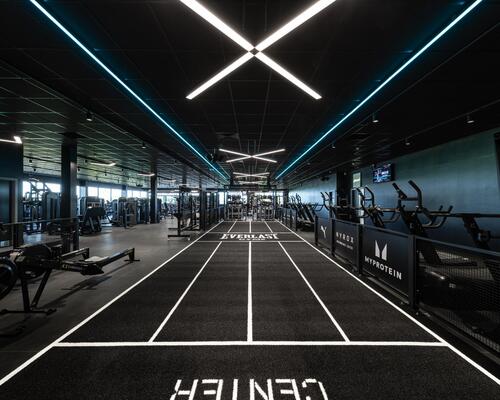
Everlast Gyms' York site has reopened following a refurbishment to bring it up to the ...
Latest News
Luxury hospitality and wellness pioneer Jeremy McCarthy has launched Leisure Alchemy, a digital platform that ...
Latest News
A contrast therapy and breathwork facility called Reset has opened in Islington, London, in the ...
Opinion
promotion
Strength training has moved from the margins to the mainstream.
Opinion: Building smarter strength spaces for today’s operators
Featured supplier news
Featured supplier news: Elevate 2026 to mark 10-year anniversary with biggest ever waterfront drinks reception
Elevate is set to celebrate its 10th anniversary in style this June, with organisers confirming the event’s largest-ever drinks reception as registrations continue to run more than 10% ahead of last year.
Featured supplier news
Featured supplier news: Reaching the people most gyms miss: Bedford Gym & Swim Campaign delivers 410 new members
One of the biggest mistakes the fitness industry still makes is advertising almost exclusively to people who already look and live like gym members.
Company profiles
Company profile: Fold
Fold is the company behind the UK's leading at home foldable reformer pilates bed, bringing ...
Company profiles
Company profile: CET CryoSpas
CET have developed ice baths specifically for the fitness and wellness sectors in addition to ...
Supplier Showcases
Supplier Showcase - From nightclub to health club
Supplier Showcases
Supplier Showcase - Future-proofing
Catalogue Gallery
Click on a catalogue to view it online
Featured press releases
ukactive press release: Are they Fit for Office? UK Active and Technogym throw down the gauntlet to MPs
Hundreds of staff, MPs and Peers from across Westminster have signed up for the Fit for Office parliamentary physical activity challenge, which takes place throughout June and is hosted by ukactive and Technogym.
Featured press releases
Innerva press release: Lex Leisure’s power-assisted exercise suite smashes targets in record time
Crook Log Leisure Centre has more than doubled the membership target for its new power- assisted exercise suite in less than six months.
Directory
Industrial washing machines
Miele Company Limited: Industrial washing machines
Lockers
Crown Sports Lockers: Lockers
Water experiences and hydrotherapy solutions
Aquaform s.r.l.: Water experiences and hydrotherapy solutions
Hot tubs
MSpa International Ltd: Hot tubs
Fitness tracking platform
SpiviTech: Fitness tracking platform
Spa and beauty equipment
Oakworks Inc: Spa and beauty equipment
Property & Tenders
Stratford, East London.
Lee Valley Regional Park Authority
Property & Tenders
Y Felinheli, LL56 4QN
Newmark
Property & Tenders
Diary dates
13-13 Jun 2026
Worldwide, Various,
Diary dates
21-24 Sep 2026
The Langham Huntington Pasadena , Pasadena, United States
Diary dates
06-08 Oct 2026
Messe Stuttgart, Stuttgart, Germany
Diary dates
22-22 Oct 2026
QEII Conference Centre, London,
Diary dates
26-29 Oct 2027
Koelnmesse Exhibition Centre, Cologne, Germany
Diary dates
Search news, features & products:
Find a supplier:
We Work Well Events
We Work Well Events
Partner sites