














The Leisure Media Company Ltd
Follow Health Club Management on Twitter Like Health Club Management on Facebook Join the discussion with Health Club Management on LinkedIn
FITNESS, HEALTH, WELLNESS

features

Insight: Country life

Many living in rural areas are missing out on fitness, as the standard gym model doesn’t work with low population densities. Kath Hudson asks how public and private sectors can broaden their reach
Published in Health Club Management 2023 issue 10
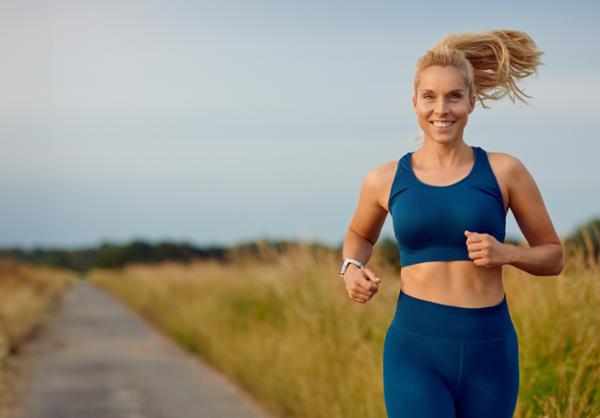
Country dwellers are more likely to be running than going to the gym / photo: Shutterstock/ LarsZ
An average of 43 per cent of people globally live in rural areas

One of the prices us countryside dwellers pay is that we miss out on many of the conveniences city people enjoy, including things such as GP surgeries and the proliferation of health club options.

The low cost gym model, which has so effectively broadened the market, doesn’t fit with low density populations, meaning people living rurally pay more: memberships tend to start at £40 (€50, US$46.70) a month in the UK, for a health club offering that would cost less in a city. Couple this with the fact that wages tend to be lower and it makes joining a gym less achievable in rural locations.

With obesity, lifestyle diseases and mental illness on the rise, rural populations need support with their health as much as people in metropolitan areas. Australian government research shows that adults living in rural areas are more vulnerable to weight struggles and related issues: 72 per cent of adults in inner regional, outer regional and remote areas reported as overweight or obese, compared to 65 per cent in major cities. Those in rural and remote areas often face struggles with accessibility, availability and affordability of healthy food options and greater socio-economic barriers to purchasing.

Those living in the British countryside face similar problems, and also receive less governmental support than cities. Recent analysis from the County Councils Network shows the number of adults who are overweight or obese has increased by 1.1 million in UK rural areas since 2015. These areas account for a 58 per cent increase in England, yet they receive only about half of what councils in London receive in public health grants and much less than the national average.

With an average of 43 per cent of the world’s population living in rural areas – ranging from 20 per cent in more developed countries such as the UK, to places such as Liechstenstein, where it’s 85 per cent – this is an issue that doesn’t get the attention it needs.

Case study 1: GLL
With 260 leisure centres, GLL has coverage throughout the UK, but strategic advisor and former CEO, Mark Sesnan, concedes it’s hard to make a model that was originally designed for urban areas, work in rural locations. “The traditional leisure centre was based on high population density and footfall which allows for a full service offer with intensive programming seven days a week,” he says. “While serving the widest demographics, and financially efficient, it’s a challenge to lift this model into rural areas and expect it to work just as well.

“However, with 10.5m people – nearly 20 per cent of the UK population – living in rural areas, it’s a big market and the need exists beyond the cities. Adults need to work out, kids need to learn to swim, schools need indoor space for physical activity and the dozens of sports and other clubs which underpin the social fabric of our communities need quality spaces.”

Sesnan points out that a further financial challenge is that the cost of provision is similar in urban and rural locations, but income is lower, simply due to there being less people. This means a higher subsidy is required, but subsidies are no longer available.

GLL is currently exploring different models to help address this challenge. These include influencing leisure centre design to build compact, cost-effective and easy-to-operate multi-activity spaces.

“We’re also working with community groups to develop blended management models that combine our expertise with trained and committed local volunteers,” says Sesnan. “Co-locating gyms and leisure facilities with health hubs and libraries keeps the costs down and makes travel easier. We’re also exploring further community use of school facilities, since every community has a school.”

With 110 libraries across the country, GLL has experienced this problem before when library funding was cut. Sesnan explains they navigated it by calling on the community: “Most of our Lincolnshire libraries are now run by local volunteers,” he says. “GLL trains the volunteers and we provide each library with the backbone book and media stock and rotation and all digital services. This has ensured no libraries in Lincolnshire have closed and many are now thriving community hubs,” he says.

Sesnan expects to be generally working with more community groups in the future in rural areas where the full service model is no longer financially viable.

Case study 2: FOWLC
Wadebridge Leisure Centre, in Cornwall, (www.wadebridgeslc.co.uk) is an example of a centre which was at risk of closure, until it was taken over by seven volunteers who formed a community interest company called FOWLC. This was formally awarded the contract in July 2022 to run the site on a not-for-profit basis.

Two people have taken on part-time executive director roles, overseeing the site and bidding for grants.

Director, Emma Tudge, says the facility is a valued resource in the community and members are happy to help with jobs such as cleaning, gardening, painting and carpentry. More than 1,000 people attended the open day and the first event sold out in days. The site is next door to a secondary school, which is one of its biggest customers, so they have close ties and the head of PE is on the board.

Tudge says one advantage of being independent is they can be agile: “One size doesn’t fit all and it’s important to listen to what the community wants and needs from their leisure centre. If something doesn't work, we look at why and tweak or change it. We needed to make it easy and enjoyable for individuals to find something they wanted to do, at a time and cost which worked for them, as well as provide good pool and sports hall access for local schools and clubs.”

Some of the changes implemented include things large scale operators frequently strip out to save costs, but which customers value: a direct dial phone line, a fully staffed reception desk and accepting cash. Junk food was removed from the vending machines, the number of exercise classes on offer was quadrupled and the team works closely with a number of local sports clubs to give them better access, while also investing in upgrading the facilities.

Tudge says rural facilities need an agile approach and one which is embedded in the local community: “To make a rural club work you need to listen to and engage with the community and have a genuine passion for engaging and including people. Spending money on improvements where you know there will be demand can be scary but is so necessary.”

So far the approach is working. Wadebridge Leisure Centre has a net promoter score of 88; has doubled the number of adult memberships and children in swimming lessons; the sports hall has seen new teams and clubs being formed and it has achieved a score of Very Good in its first Quest assessment.

Case study 3: Pure Gym
But will only local, not-for-profit, mixed use models work in rural areas? Are low-cost health club operators ruled out? According to Rebecca Passmore, managing director of PureGym, it’s always been challenging to make the affordable model work in rural areas, because it relies on high member densities and in some areas the population just isn’t large enough to sustain a commercial gym, however, the company is working on alternative models.

“PureGym has been able to deliver an attractive return on capital at a 6,500sq ft (604sq m) site, compared to its average of 15,000sq ft (1,394sq m),” she says. “And we’ve found a viable model with an addressable population of 30,000 to 40,000.

“Proximity is key: our penetration is strong within the first three to five kilometres and then it starts to reduce, no matter how well-priced or high quality the facility is. This is also the case even if there isn’t another gym option nearby.”

A further challenge is that a gym which is one third of the size will not have proportional cost savings, since there are aspects of gyms which cost the same to install regardless of club size, such as control panels.

“We want to be able to serve rural communities, but it is a challenge which will definitely require us to innovate our model, looking at the various compromises and trade-offs,” says Passmore. “While we can’t yet make a gym work on 1,000 members, we’re working to become viable at 1,500 members and if we could make this work, it would give the property team more markets to target and take in some of these currently underserved areas.”

Case study 4: Fit+
One multinational health club chain going into low population areas is German operator, Fit+ which offers a staffless franchise. Founder, Torsten Boorberg, believes his model can work anywhere: “We opened a 390sq ft (36sq m) club in the German town of Bad Doberman four years ago, which has a population of 12,000 people and it’s been a success, thanks to its hardworking licensee, Karsten Luther, who has attracted more than 1,000 customers,” he says.

Boorberg believes his concept is successful because digitalisation and being staffless reduces costs and the master licensees know their market. Members do, however, need to be comfortable with digital coaching, or have the means to book a personal trainer.

Part of the community
Mike Hill, director of Active Insight, reiterates that rural gyms are only going to become more important over the next decade and should be embedded in, work with, and reflect the local community. “Community health and activity centres have been run ‘by the community, for the community’, for years in countries, such as the Netherlands,” he explains. “They also serve as hubs for social interaction, mental rejuvenation, and skill development, boosting social cohesion.”

Hill argues the unique needs of the community should be taken into consideration during the design of the facility. This might mean adding a meeting room, a community centre or an indoor sports hall. Technology – both for operations and to link with wearable tech, as well as sustainable design – should also be prioritised.

If space is maximised, eco-friendly designs are embraced, technology is integrated, and the community is engaged, Hill says these facilities can become more than just spaces for physical activity: “They become catalysts for rejuvenation, connection, and sustainable living, ensuring rural communities remain vibrant and resilient in the face of urbanisation.”

Clearly there are many challenges around this issue, but with operators working on solutions, it will be interesting to see the models that emerge.

• Do you run a rural health club? If so, we’d love to hear your story. Write to: [email protected]
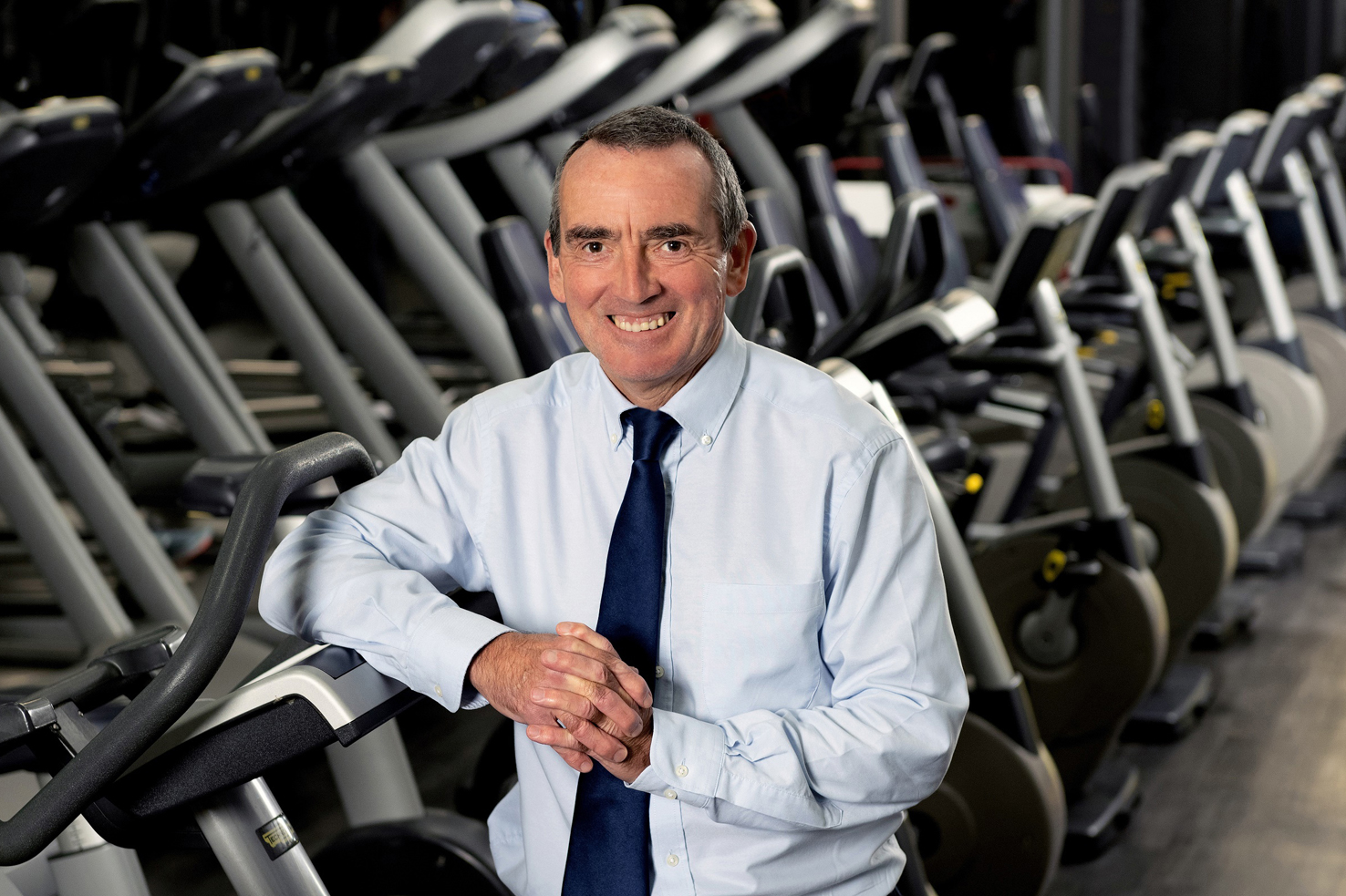
photo: GLL

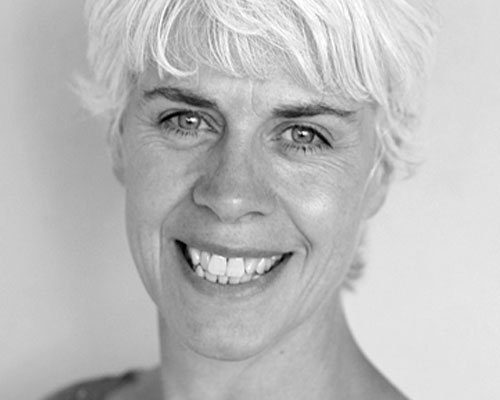
"We’re working with community groups to develop blended management models that combine our expertise with trained and committed local volunteer" – Mark Sesnan, strategic advisor, GLL
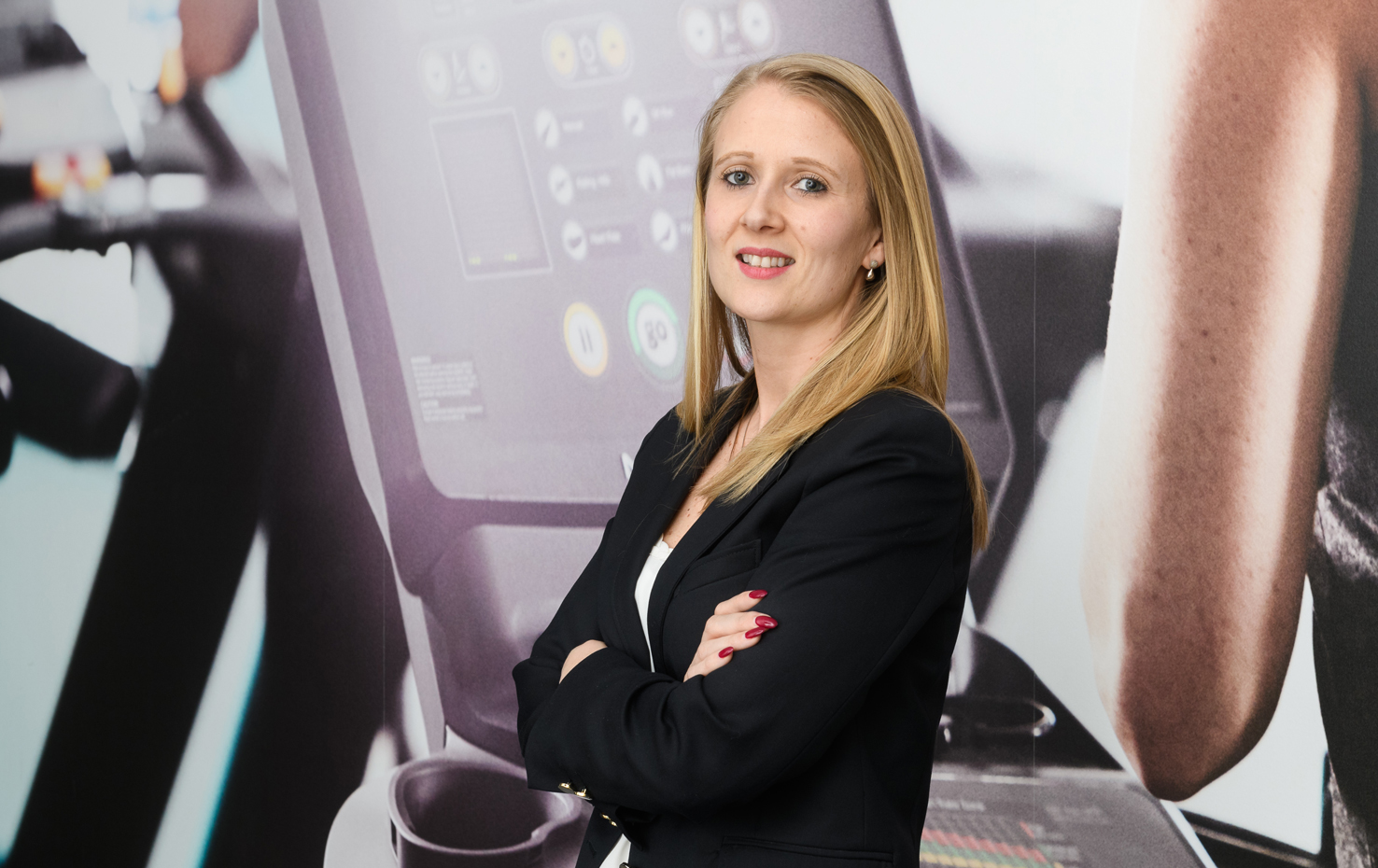
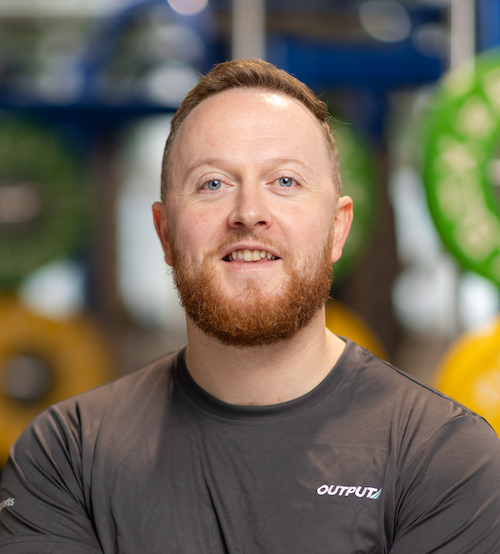
photo: PureGym / James McCauley

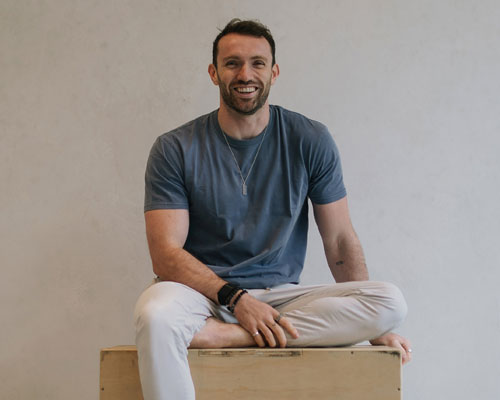
"We’re looking to see if a gym can be viable with 1,500 members. If we could make this work, it would give our property team more markets to target" – Rebecca Passmore, MD, PureGym
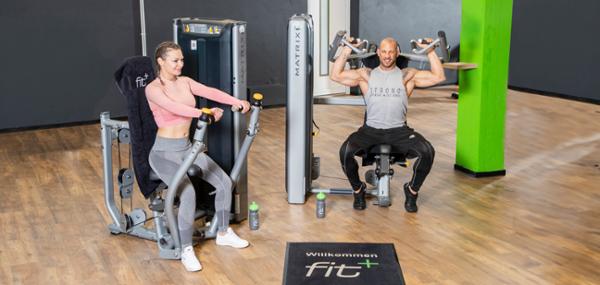
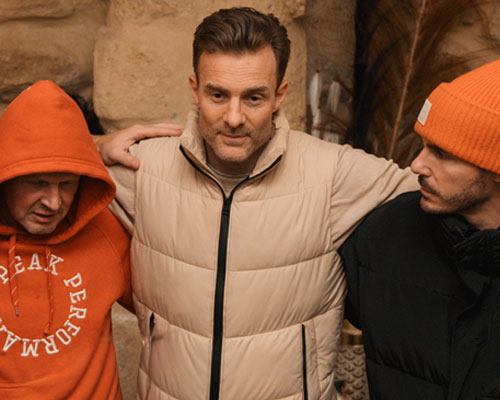
The Fit+ staffless franchise can work in locations with populations of 12,000 / photo: FIT+ / Bernd Hanselmann
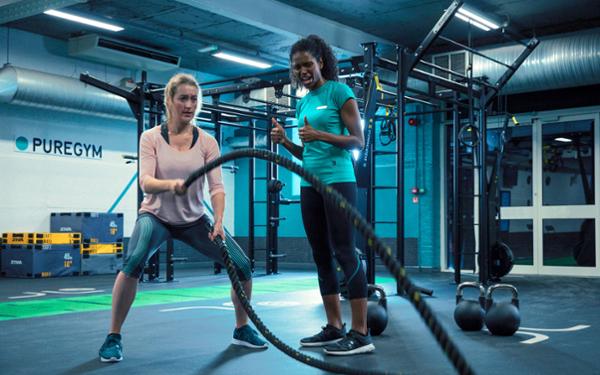
PureGym has seen a return on capital at a 6,500sq ft site / photo: PureGym
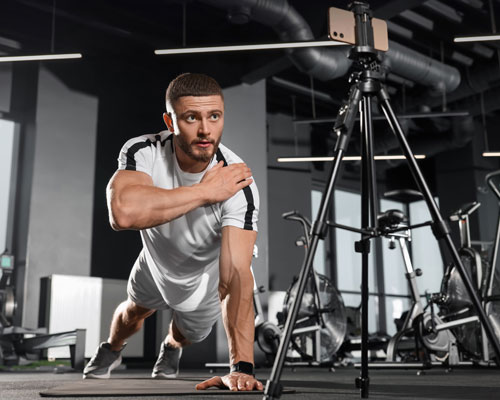
Wearable tech is key to delivering fitness in rural areas, says Hill / Photo: shutterstsock/Alliance Images
https://www.leisureopportunities.co.uk/images/2023/972409_122789.jpg
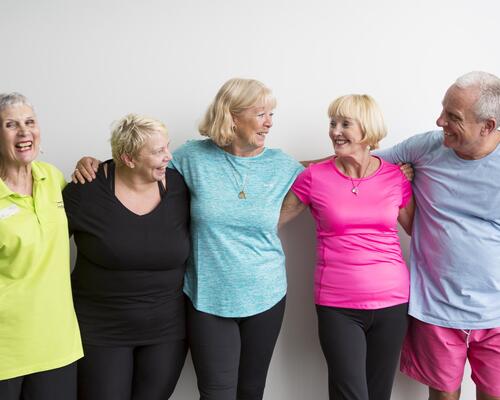
Many people living in rural areas are missing out on fitness. What can the public and private sectors do to broaden their customer reach?
HCM magazine
Small improvements to sleep, diet and physical activity have major benefits for the heart, according to new research from the University of Sydney
HCM magazine
Collaborations with the medical profession and greater aspirations around wellbeing are creating a need for more experts in our sector. It’s time to reboot our thinking around the workforce
HCM magazine
For every member with a tripod and a big following, there are others irritated at the way equipment is being hogged or wary they’ll be in the background on someone’s Insta feed. Do influencers offer valuable, free marketing or are they just a nuisance? Kath Hudson finds out how operators are responding
HCM magazine
I experienced a blissful feeling of joy I hadn’t felt since I was a kid
HCM magazine
As the entrepreneur who started Wexer, Fresh Fitness, Fitness DK and Repeat, as well as being a former elite athlete, Rasmus Ingerslev’s life looked perfect from the outside, but onthe inside it was a different story. He talks to Kath Hudson about healing old wounds
HCM promotional features
Sponsored
David Lloyd is stepping up its commitment to women’s health as it continues to explore what fit-for-purpose looks like for the female population
HCM promotional features
Sponsored
Third Space partnered with IndigoFitness to deliver a bespoke training space for its new club at The Whiteley
HCM promotional features
Sponsored
Greg Bradley looks at the shift towards strength training in gyms and advises on how operators can create the ultimate training environment
HCM promotional features
Sponsored
SnowDome Fitness has added 50 per cent more space with cutting-edge Technogym solutions
HCM promotional features
Sponsored
Starpool supports Olympic champion Marcell Jacobs, says Riccardo Turri
HCM promotional features
Sponsored
Find out how your gym can tap into the corporate wellness boom
HCM promotional features
Sponsored
EGYM has opened a new HQ in Paternoster Square, London and revealed a range of new launches
HCM promotional features
Sponsored
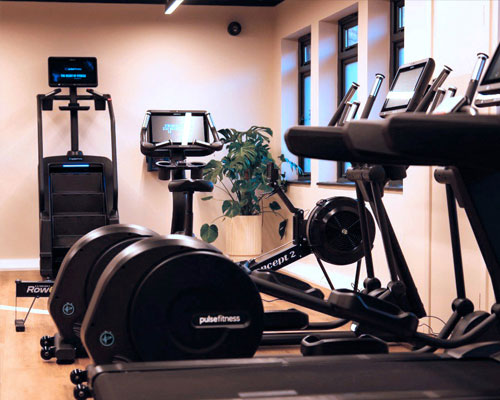
Pulse Fitness has created a new health club delivering an elevated wellness experience
HCM promotional features
Promotion
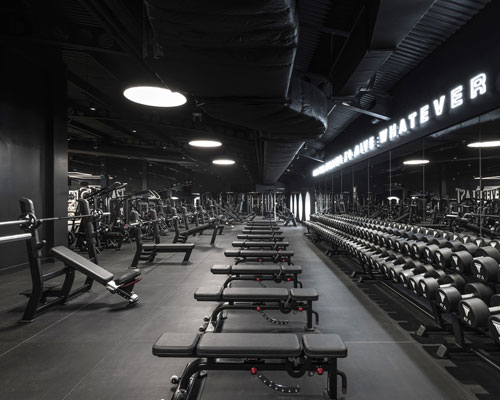
BLK BOX has been reimagining elite performance spaces for more than a decade. Founder and former athlete, Greg Bradley, tells us what it takes
HCM promotional features
Latest News
Nuffield Health has told HCM that it takes its responsibilities towards its colleagues seriously and ...
Latest News
Technogym has announced the launch of the Run X World Treadmill Championship, the first world ...
Latest News
Shocked by the UK loneliness statistics, charitable trust Mytime Active has been doubling down on ...
Latest News
Portugal’s leading operator, SC Fitness, is celebrating a milestone by reaching 100 gyms.  The company ...
Latest News
Australia’s fast-growing fitness network, Viva Leisure, is adding a low-cost gym brand to its already ...
Latest News
Speedflex has launched a strength training programme for 10 to 16-year-olds, to make it safer, ...
Latest News
Tewinbury Farm Hotel in Hertfordshire, UK is expanding its premium leisure proposition with the launch ...
Latest News

Work is underway in Madrid on one of Europe’s most significant multi-functional complexes, ...

Opinion
promotion
Strength training has moved from the margins to the mainstream.
Opinion: Building smarter strength spaces for today’s operators
Featured supplier news
Featured supplier news: Reaching the people most gyms miss: Bedford Gym & Swim Campaign delivers 410 new members
One of the biggest mistakes the fitness industry still makes is advertising almost exclusively to people who already look and live like gym members.
Featured supplier news
Featured supplier news: Supporting long-term health: why whole body vibration belongs in clinical settings
As healthcare continues to shift towards prevention, there’s a growing focus on helping people stay active, independent and feeling good for longer.
Company profiles
Company profile: Output Sports
Output Sports provides performance technology for modern training facilities. Our integrated platform combines testing, monitoring ...
Company profiles
Company profile: ABC Fitness
ABC Fitness is the #1 software provider for fitness businesses of any size, all around ...
Supplier Showcases
Supplier Showcase - Future-proofing
Catalogue Gallery
Click on a catalogue to view it online
Featured press releases
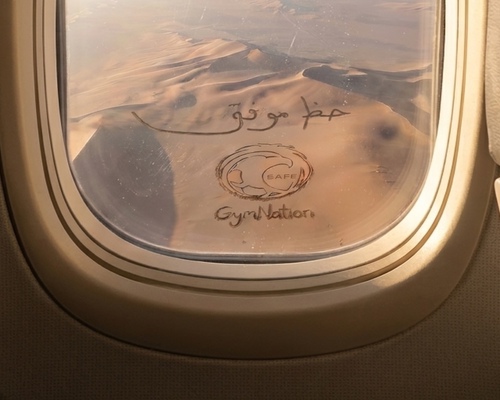
GYMNATION press release: Massive ‘Good Luck’ message appears in Saudi Desert as Green Falcons head to World Cup
Passengers flying out of Riyadh this week have been treated to an extraordinary sight from the skies after GymNation unveiled a giant desert sand mural supporting the Saudi Arabia National Football Team ahead of the FIFA World Cup in the United States.
Featured press releases
BLK BOX press release: BLK BOX strengthens European growth with the appointment of Germany country manager Timo Garrels
BLK BOX is proud to welcome Timo Garrels as Germany country manager, marking another important step in the brand’s continued growth across Europe.
Directory
Lockers
Crown Sports Lockers: Lockers
Industrial washing machines
Miele Company Limited: Industrial washing machines
Fitness tracking platform
SpiviTech: Fitness tracking platform
Hot tubs
MSpa International Ltd: Hot tubs
Water experiences and hydrotherapy solutions
Aquaform s.r.l.: Water experiences and hydrotherapy solutions
Spa and beauty equipment
Oakworks Inc: Spa and beauty equipment
Property & Tenders
Stratford, East London.
Lee Valley Regional Park Authority
Property & Tenders
Y Felinheli, LL56 4QN
Newmark
Property & Tenders
Diary dates
13-13 Jun 2026
Worldwide, Various,
Diary dates
21-24 Sep 2026
The Langham Huntington Pasadena , Pasadena, United States
Diary dates
06-08 Oct 2026
Messe Stuttgart, Stuttgart, Germany
Diary dates
22-22 Oct 2026
QEII Conference Centre, London,
Diary dates
26-29 Oct 2027
Koelnmesse Exhibition Centre, Cologne, Germany
Diary dates

features

Insight: Country life

Many living in rural areas are missing out on fitness, as the standard gym model doesn’t work with low population densities. Kath Hudson asks how public and private sectors can broaden their reach

Published in Health Club Management 2023 issue 10
Country dwellers are more likely to be running than going to the gym / photo: Shutterstock/ LarsZ
An average of 43 per cent of people globally live in rural areas

One of the prices us countryside dwellers pay is that we miss out on many of the conveniences city people enjoy, including things such as GP surgeries and the proliferation of health club options.

The low cost gym model, which has so effectively broadened the market, doesn’t fit with low density populations, meaning people living rurally pay more: memberships tend to start at £40 (€50, US$46.70) a month in the UK, for a health club offering that would cost less in a city. Couple this with the fact that wages tend to be lower and it makes joining a gym less achievable in rural locations.

With obesity, lifestyle diseases and mental illness on the rise, rural populations need support with their health as much as people in metropolitan areas. Australian government research shows that adults living in rural areas are more vulnerable to weight struggles and related issues: 72 per cent of adults in inner regional, outer regional and remote areas reported as overweight or obese, compared to 65 per cent in major cities. Those in rural and remote areas often face struggles with accessibility, availability and affordability of healthy food options and greater socio-economic barriers to purchasing.

Those living in the British countryside face similar problems, and also receive less governmental support than cities. Recent analysis from the County Councils Network shows the number of adults who are overweight or obese has increased by 1.1 million in UK rural areas since 2015. These areas account for a 58 per cent increase in England, yet they receive only about half of what councils in London receive in public health grants and much less than the national average.

With an average of 43 per cent of the world’s population living in rural areas – ranging from 20 per cent in more developed countries such as the UK, to places such as Liechstenstein, where it’s 85 per cent – this is an issue that doesn’t get the attention it needs.

Case study 1: GLL
With 260 leisure centres, GLL has coverage throughout the UK, but strategic advisor and former CEO, Mark Sesnan, concedes it’s hard to make a model that was originally designed for urban areas, work in rural locations. “The traditional leisure centre was based on high population density and footfall which allows for a full service offer with intensive programming seven days a week,” he says. “While serving the widest demographics, and financially efficient, it’s a challenge to lift this model into rural areas and expect it to work just as well.

“However, with 10.5m people – nearly 20 per cent of the UK population – living in rural areas, it’s a big market and the need exists beyond the cities. Adults need to work out, kids need to learn to swim, schools need indoor space for physical activity and the dozens of sports and other clubs which underpin the social fabric of our communities need quality spaces.”

Sesnan points out that a further financial challenge is that the cost of provision is similar in urban and rural locations, but income is lower, simply due to there being less people. This means a higher subsidy is required, but subsidies are no longer available.

GLL is currently exploring different models to help address this challenge. These include influencing leisure centre design to build compact, cost-effective and easy-to-operate multi-activity spaces.

“We’re also working with community groups to develop blended management models that combine our expertise with trained and committed local volunteers,” says Sesnan. “Co-locating gyms and leisure facilities with health hubs and libraries keeps the costs down and makes travel easier. We’re also exploring further community use of school facilities, since every community has a school.”

With 110 libraries across the country, GLL has experienced this problem before when library funding was cut. Sesnan explains they navigated it by calling on the community: “Most of our Lincolnshire libraries are now run by local volunteers,” he says. “GLL trains the volunteers and we provide each library with the backbone book and media stock and rotation and all digital services. This has ensured no libraries in Lincolnshire have closed and many are now thriving community hubs,” he says.

Sesnan expects to be generally working with more community groups in the future in rural areas where the full service model is no longer financially viable.

Case study 2: FOWLC
Wadebridge Leisure Centre, in Cornwall, (www.wadebridgeslc.co.uk) is an example of a centre which was at risk of closure, until it was taken over by seven volunteers who formed a community interest company called FOWLC. This was formally awarded the contract in July 2022 to run the site on a not-for-profit basis.

Two people have taken on part-time executive director roles, overseeing the site and bidding for grants.

Director, Emma Tudge, says the facility is a valued resource in the community and members are happy to help with jobs such as cleaning, gardening, painting and carpentry. More than 1,000 people attended the open day and the first event sold out in days. The site is next door to a secondary school, which is one of its biggest customers, so they have close ties and the head of PE is on the board.

Tudge says one advantage of being independent is they can be agile: “One size doesn’t fit all and it’s important to listen to what the community wants and needs from their leisure centre. If something doesn't work, we look at why and tweak or change it. We needed to make it easy and enjoyable for individuals to find something they wanted to do, at a time and cost which worked for them, as well as provide good pool and sports hall access for local schools and clubs.”

Some of the changes implemented include things large scale operators frequently strip out to save costs, but which customers value: a direct dial phone line, a fully staffed reception desk and accepting cash. Junk food was removed from the vending machines, the number of exercise classes on offer was quadrupled and the team works closely with a number of local sports clubs to give them better access, while also investing in upgrading the facilities.

Tudge says rural facilities need an agile approach and one which is embedded in the local community: “To make a rural club work you need to listen to and engage with the community and have a genuine passion for engaging and including people. Spending money on improvements where you know there will be demand can be scary but is so necessary.”

So far the approach is working. Wadebridge Leisure Centre has a net promoter score of 88; has doubled the number of adult memberships and children in swimming lessons; the sports hall has seen new teams and clubs being formed and it has achieved a score of Very Good in its first Quest assessment.

Case study 3: Pure Gym
But will only local, not-for-profit, mixed use models work in rural areas? Are low-cost health club operators ruled out? According to Rebecca Passmore, managing director of PureGym, it’s always been challenging to make the affordable model work in rural areas, because it relies on high member densities and in some areas the population just isn’t large enough to sustain a commercial gym, however, the company is working on alternative models.

“PureGym has been able to deliver an attractive return on capital at a 6,500sq ft (604sq m) site, compared to its average of 15,000sq ft (1,394sq m),” she says. “And we’ve found a viable model with an addressable population of 30,000 to 40,000.

“Proximity is key: our penetration is strong within the first three to five kilometres and then it starts to reduce, no matter how well-priced or high quality the facility is. This is also the case even if there isn’t another gym option nearby.”

A further challenge is that a gym which is one third of the size will not have proportional cost savings, since there are aspects of gyms which cost the same to install regardless of club size, such as control panels.

“We want to be able to serve rural communities, but it is a challenge which will definitely require us to innovate our model, looking at the various compromises and trade-offs,” says Passmore. “While we can’t yet make a gym work on 1,000 members, we’re working to become viable at 1,500 members and if we could make this work, it would give the property team more markets to target and take in some of these currently underserved areas.”

Case study 4: Fit+
One multinational health club chain going into low population areas is German operator, Fit+ which offers a staffless franchise. Founder, Torsten Boorberg, believes his model can work anywhere: “We opened a 390sq ft (36sq m) club in the German town of Bad Doberman four years ago, which has a population of 12,000 people and it’s been a success, thanks to its hardworking licensee, Karsten Luther, who has attracted more than 1,000 customers,” he says.

Boorberg believes his concept is successful because digitalisation and being staffless reduces costs and the master licensees know their market. Members do, however, need to be comfortable with digital coaching, or have the means to book a personal trainer.

Part of the community
Mike Hill, director of Active Insight, reiterates that rural gyms are only going to become more important over the next decade and should be embedded in, work with, and reflect the local community. “Community health and activity centres have been run ‘by the community, for the community’, for years in countries, such as the Netherlands,” he explains. “They also serve as hubs for social interaction, mental rejuvenation, and skill development, boosting social cohesion.”

Hill argues the unique needs of the community should be taken into consideration during the design of the facility. This might mean adding a meeting room, a community centre or an indoor sports hall. Technology – both for operations and to link with wearable tech, as well as sustainable design – should also be prioritised.

If space is maximised, eco-friendly designs are embraced, technology is integrated, and the community is engaged, Hill says these facilities can become more than just spaces for physical activity: “They become catalysts for rejuvenation, connection, and sustainable living, ensuring rural communities remain vibrant and resilient in the face of urbanisation.”

Clearly there are many challenges around this issue, but with operators working on solutions, it will be interesting to see the models that emerge.

• Do you run a rural health club? If so, we’d love to hear your story. Write to: [email protected]

photo: GLL

"We’re working with community groups to develop blended management models that combine our expertise with trained and committed local volunteer" – Mark Sesnan, strategic advisor, GLL

photo: PureGym / James McCauley

"We’re looking to see if a gym can be viable with 1,500 members. If we could make this work, it would give our property team more markets to target" – Rebecca Passmore, MD, PureGym
The Fit+ staffless franchise can work in locations with populations of 12,000 / photo: FIT+ / Bernd Hanselmann
PureGym has seen a return on capital at a 6,500sq ft site / photo: PureGym
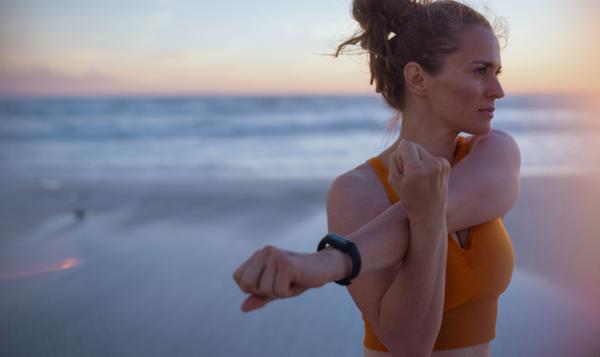
Wearable tech is key to delivering fitness in rural areas, says Hill / Photo: shutterstsock/Alliance Images
https://www.leisureopportunities.co.uk/images/2023/972409_122789.jpg
Many people living in rural areas are missing out on fitness. What can the public and private sectors do to broaden their customer reach?
Latest News
Nuffield Health has told HCM that it takes its responsibilities towards its colleagues seriously and ...
Latest News
Technogym has announced the launch of the Run X World Treadmill Championship, the first world ...
Latest News
Shocked by the UK loneliness statistics, charitable trust Mytime Active has been doubling down on ...
Latest News
Portugal’s leading operator, SC Fitness, is celebrating a milestone by reaching 100 gyms.  The company ...
Latest News
Australia’s fast-growing fitness network, Viva Leisure, is adding a low-cost gym brand to its already ...
Latest News
Speedflex has launched a strength training programme for 10 to 16-year-olds, to make it safer, ...
Latest News
Tewinbury Farm Hotel in Hertfordshire, UK is expanding its premium leisure proposition with the launch ...
Latest News

Work is underway in Madrid on one of Europe’s most significant multi-functional complexes, ...

Latest News
PureGym is encouraging people to step away from their screens and go for a walk, ...
Latest News
Small improvements to sleep, diet quality, and physical activity, made in combination lead to a ...
Latest News
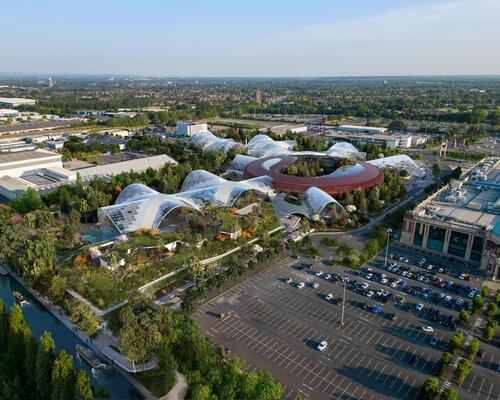
Therme Manchester’s 28-acre development, which will include interconnected glass pavilions that measure 65,000sq m, will ...
Opinion
promotion
Strength training has moved from the margins to the mainstream.
Opinion: Building smarter strength spaces for today’s operators
Featured supplier news
Featured supplier news: Reaching the people most gyms miss: Bedford Gym & Swim Campaign delivers 410 new members
One of the biggest mistakes the fitness industry still makes is advertising almost exclusively to people who already look and live like gym members.
Featured supplier news
Featured supplier news: Supporting long-term health: why whole body vibration belongs in clinical settings
As healthcare continues to shift towards prevention, there’s a growing focus on helping people stay active, independent and feeling good for longer.
Company profiles
Company profile: Output Sports
Output Sports provides performance technology for modern training facilities. Our integrated platform combines testing, monitoring ...
Company profiles
Company profile: ABC Fitness
ABC Fitness is the #1 software provider for fitness businesses of any size, all around ...
Supplier Showcases
Supplier Showcase - Future-proofing
Catalogue Gallery
Click on a catalogue to view it online
Featured press releases
GYMNATION press release: Massive ‘Good Luck’ message appears in Saudi Desert as Green Falcons head to World Cup
Passengers flying out of Riyadh this week have been treated to an extraordinary sight from the skies after GymNation unveiled a giant desert sand mural supporting the Saudi Arabia National Football Team ahead of the FIFA World Cup in the United States.
Featured press releases
BLK BOX press release: BLK BOX strengthens European growth with the appointment of Germany country manager Timo Garrels
BLK BOX is proud to welcome Timo Garrels as Germany country manager, marking another important step in the brand’s continued growth across Europe.
Directory
Lockers
Crown Sports Lockers: Lockers
Industrial washing machines
Miele Company Limited: Industrial washing machines
Fitness tracking platform
SpiviTech: Fitness tracking platform
Hot tubs
MSpa International Ltd: Hot tubs
Water experiences and hydrotherapy solutions
Aquaform s.r.l.: Water experiences and hydrotherapy solutions
Spa and beauty equipment
Oakworks Inc: Spa and beauty equipment
Property & Tenders
Stratford, East London.
Lee Valley Regional Park Authority
Property & Tenders
Y Felinheli, LL56 4QN
Newmark
Property & Tenders
Diary dates
13-13 Jun 2026
Worldwide, Various,
Diary dates
21-24 Sep 2026
The Langham Huntington Pasadena , Pasadena, United States
Diary dates
06-08 Oct 2026
Messe Stuttgart, Stuttgart, Germany
Diary dates
22-22 Oct 2026
QEII Conference Centre, London,
Diary dates
26-29 Oct 2027
Koelnmesse Exhibition Centre, Cologne, Germany
Diary dates
Search news, features & products:
Find a supplier:
The Leisure Media Company Ltd
Partner sites