





















Les Mills
Les Mills
Les Mills
Follow Health Club Management on Twitter Like Health Club Management on Facebook Join the discussion with Health Club Management on LinkedIn
FITNESS, HEALTH, WELLNESS

features

Feature: Human cost

A recent CIMSPA Employer Partner report found between 85 and 100 per cent of employers are experiencing staff shortages in the UK, while salaries went down between December 2020 and 2021. Is our workforce experiencing an employment crisis? Sarah Lloyd investigates

Published in Health Club Management 2022 issue 3
Staff could be given an extended family membership to grow loyalty / photo: shutterstock/Gutesa
The leisure industry is competing with the entire service industry, at a time when other sectors are increasing salaries

There’s no doubt the sector’s 200,000-strong workforce* is doing vital work for the health of the nation. But knocked by Brexit, lockdowns and Omicron, many employees have left the industry. CIMSPA suggests 86 per cent of operators have been forced to shut or partially-shut facilities and suspend services due to staff shortages, creating a cycle of poor staff retention and service for customers.

Abhi Lakhina, MD of Love Recruitment, says the fitness industry is not alone in competing for skilled workers. “Every year, leisure, hospitality and retail lose a certain number of transient staff – this will always be the case. However, we’re now experiencing the perfect storm – COVID, Brexit and Visa and migration issues mean the natural churn of staff has accelerated, with fewer people available to fill the gaps.

“This is troubling for the leisure industry because it’s competing with the entire service industry, including retail and big hospitality brands, at a time when these sectors are increasing salaries.”

Community Leisure UK (CLUK) members are reporting staff shortages across the board, from entry-level roles to senior management, which means, above and beyond salaries, we must ask what else is going wrong in leisure?

Trafford Leisure, a Community Interest Company managing eight leisure facilities on behalf of Trafford Council, is currently operating at a staff shortage of 35 per cent – a figure not unusual among Community Leisure members, who report having to recruit between 20 and 33 per cent of their usual workforce each year.


CEO Jo Cherrett says: “Digital advancements brought about by the pandemic have fast-tracked people’s approach to where they work, how they work and what their employment expectations are. People are re-evaluating what’s important, with the key takeaway being that flexible working is here to stay.

“On a positive note, if employers embrace a flexible workforce there’s no reason why they can’t have someone working for them from anywhere in the world, which gives us more opportunity to find innovative people for the sector. But the challenge is that our senior managers/support staff are largely working in a hybrid model, whereas our operational/front of house staff are not. There’s a real risk of creating a divided culture, where one part of the workforce has complete flexibility, while those who are predominately less well paid have none.”

Cherrett believes an agile workforce is the way forward. “This could mean operational staff have at least two types of qualification and can, for example, instruct in the gym or take swimming lessons. This would allow us to run leisure centres more efficiently, with no clear divide between operations and support staff, and so pay a smaller team a lot more. For example, with a hybrid model, a third-year marketing student who works as a lifeguard two nights a week could also work one day a week in the marketing department.”

Aaron McCulloch, MD of Your Personal Training agrees: “There needs to be wholesale change from the top down in terms of roles and job descriptions; employers need to be clear and upfront about expectations. For example, a fitness instructor’s role usually involves a bit of everything, including front of house, checking pool temperatures, lifeguarding, cafe duties and cleaning. There’s a massive disconnect between qualifications, job description and the reality of the role. Far too often staff end up feeling like a glorified cleaner who’s undervalued and underpaid.

“Standalone roles don’t exist, so repurposing qualifications will be central to the development of careers in the sector and long-term staff retention. We should be looking at broader roles, such as wellbeing manager or gym floor operation manager. People want flexibility, and senior leaders must think creatively about how they can accommodate this.”

Valuable assets
In the last 10 months alone, YPT has seen almost 300 people from within the sector, leaving employment to become a self-employed PT, reporting low pay, feeling undervalued and a lack of flexibility within their reasons.


McCulloch says: “Most operators study the member journey, but not what motivates staff. I find it unbelievable that some still don’t offer staff free membership – they should be your number one advocates and if you’re not upskilling them, you’re undervaluing them – only through investment in training will you reach a return of high performance.

“Our PTs earn some of the highest wages in the industry, at an average of £37,575pa against an industry average of £26,280pa and they stay in jobs for 28.6 months against an average of less than a year. This is partly because they get ongoing training and have autonomy.

Lakhina adds: “PTs are the backbone of the sector, but very little is known about what they want from the industry. Our survey found 46.3 per cent have a career goal of running their own PT business or gym, while 38.4 per cent want to become a senior manager. This demonstrates a desire to stay in the sector and is further supported by our findings that the top three things a PT looks for in an employer are progression of opportunities, team environment and financial success.”

Tara Dillon, CIMSPA CEO thinks the problem is cyclical. “We need to make our sector more attractive to the communities we serve and potential employees. Around 100,000 students will graduate with a Sport Science degree or similar this summer. Where do they vanish to? Members of Generation Z think differently about who they choose to work for, they look at the ethics of a company,” she says. “Zero-hour contracts and self-employment might save a facility money initially, but in the longer term it doesn’t make an individual feel valued or create a cohesive workforce.”

It’s something Cherrett is passionate about, but she says an honest conversation needs to be had around the living wage. “We know staff who have come to us from a supermarket prefer our environment, the perks and the values of our brand, and that the work is less boring, with greater responsibility. But I also know I only have a couple of years before they need to be earning more. Fifteen years ago, being a lifeguard paid significantly more than stacking shelves – that’s no longer the case.

“Our ability to connect with staff and how we treat them is what’s going to help us to come out of this perfect storm. For example, we give our staff free membership, which after a year’s employment is extended to two additional family memberships and after two years, that becomes three etc.

“As with our customer packages, we don’t define what a family is. This inclusive approach adds meaningful impact to our employee’s immediate community and they hopefully become the champions for our brand.

“We’ve partnered with Simply Health to help staff with dentistry, GPs, fast-tracking consultant appointments and free counselling. We also have ‘mental health first aiders’ to help develop a resilient workforce. Some staff, especially those who worked throughout the pandemic and those covering extra shifts due to staff shortages, are feeling burned out. How can we promote positive wellbeing without looking at our staff first? I’ve never had to consider the resilience of my staff as much as I do now.”

Train to retain
Dillon believes training is key to a resilient workforce and says that, whilst CIMSPA’s recent findings don’t initially make positive reading, our sector is further down the line than others in resolving workforce issues. “Not prioritising training is a false economy. It’s easier to train existing staff than take on new employees, so investigating new funding sources could be the answer if budgets are tight.”

Lakhina agrees: “It’s crazy to think a PT can qualify in four to six weeks and charge/earn the same as a PT with 10 years’ experience. The point at which they qualify should not be the end of their training, it should be the start – and employers need to invest in their people from the get-go.”

The ReTrain to Retain scheme is a £5m job retention and support package, funded by Sport England through the National Lottery and delivered by CIMSPA alongside UK Coaching and EMD UK.

Dillon says: “It’s already been successful in getting people back into the industry post-lockdown, by identifying where the need is and up-skilling staff to fill gaps. We need to tackle long-term staff shortages by creating sustainable, eco-system ‘place-based’ learning opportunities – a local approach to training that makes use of communities to engage more effectively with regional demographics.

“People need to ‘see themselves’ in any given role. For example, if an area has a large ethnic population, that community has to be ‘seen’ and visible within the sector. We can’t just sit in our facilities waiting for customers to come to us. It’s the same for recruitment. To make a facility stand out, they must invest in their people, reach out to their community and consistently upskill their workforce.”

Rebecca Cox, MD at the Institute of Swimming (IoS) and Business Engagement Director at Swim England agrees: “There’s been a resurgence in aquatics post-lockdown. Operators increasingly understand the value of their swimming offer and are working in partnership with us to remove the financial barriers to training. Now the problem is finding the swimming teachers of the future. We need to look outwards, learn from other industries and engage with people beyond our own peripheral view; we can’t just engage with people who love to swim. Our recruitment academy is a great example. It’s given us the opportunity to talk to people who wouldn’t even think it’s a plausible career, dispelling myths such as ‘you need to be an Olympic athlete’.”

The IoS Teachers’ Academy is part-funded by operators looking for staff, taking candidates through Swim England’s Level 1 Swimming Assistant (teaching) and Level 2 Teaching Swimming qualifications.


Trainees get a year’s membership to the IoS, which includes insurance and access to CPD. They work with potential employers to ensure they have the necessary experience for the role.

Cox continues: “We’ve had success finding new swimming teachers by actively engaging with the local demographic. It’s so important the leisure sector is representative of the communities it serves and, while it’s not where it needs to be yet, the trend is positive.”

Similarly, CIMSPA’s Local Skills Improvement Plan (LSIP) for Leicester and Leicestershire is part of the Department of Education’s Skills Accelerator programme – a ‘trailblazer’ project looking at the information barriers that exist between employers and education providers, with the vision of making skill training more responsive to employer’s needs. Working with colleges, the Chamber of Commerce, local authorities and 150 employers in the area, they identified skill shortages, bringing in CIMPSA training partners to upskill and help resolve the issues.

Active Oldham (Oldham Community Leisure) has had some success through the Government’s Kick Start scheme, which provides funding for businesses that create jobs for 16- to 24-year-olds on Universal Credit. The funding covers 100 per cent of the National Minimum Wage for 25 hours a week for up to six months. Simon Blair, Oldham Active’s Head of Business says: “This scheme can introduce the young people in our community to a career in leisure, hopefully for the long term. We currently have nine young people working with us under this programme, and have already extended one person’s employment. The others have completed their pool lifeguard training.”

Dillon concludes: “Apprenticeships are a great opportunity for employers to recruit and retain talent. CIMSPA and ukactive must continue to lobby for funding as they remain one of the best routes into our industry as people can earn as they learn.

“Many people join our sector seeking a vocational and rewarding career, knowing it doesn’t pay well. With appropriate and accessible training in place, opportunities for a long-term, fulfilling, well-paid career are there. Whilst deep problems remain within recruitment, consistent and determined action from the government and employers can and will deliver results.”

* In a ukactive report Tara Dillon, CEO of CIMSPA, says: ‘There are around 7,000 gyms, pools and leisure facilities across the UK, employing more than 189,000 full-time staff, 60,000 self-employed or freelance staff, such as PTs.’


Low-paid PTs are seeing self-employment as a better option / photo: shutterstock/MilanMarkovic78
Zero-hour contracts do not create a cohesive workforce / photo: shutterstock/Gutesa
A fitness qualification should be just the start of the training journey / photo: shutterstock/MilanMarkovic78
Apprenticeships enable clubs to recruit and retain fresh new talent / photo: shutterstock/MilanMarkovic78
https://www.leisureopportunities.co.uk/images/2022/228380_547330.jpg
With between 85 and 100 per cent of employers reporting staff shortages, is the UK fitness sector heading into a workforce employment crisis and what can be done about it? HCM reports
HCM magazine
Raphael Cuomo explores the powerful link between addiction, health and behaviour change
HCM magazine
If the health service is to survive, we must recognise that it is a disease service – and that wellbeing rests with us, says the activity advocate and healthy ageing champion. He talks to Kate Cracknell
HCM magazine
Collaborations with the medical profession and greater aspirations around wellbeing are creating a need for more experts in our sector. It’s time to reboot our thinking around the workforce
HCM magazine
Strength training is evolving, driven by changing consumer preferences. Julie Cramer talks to innovators about how their products are meeting this demand
HCM magazine
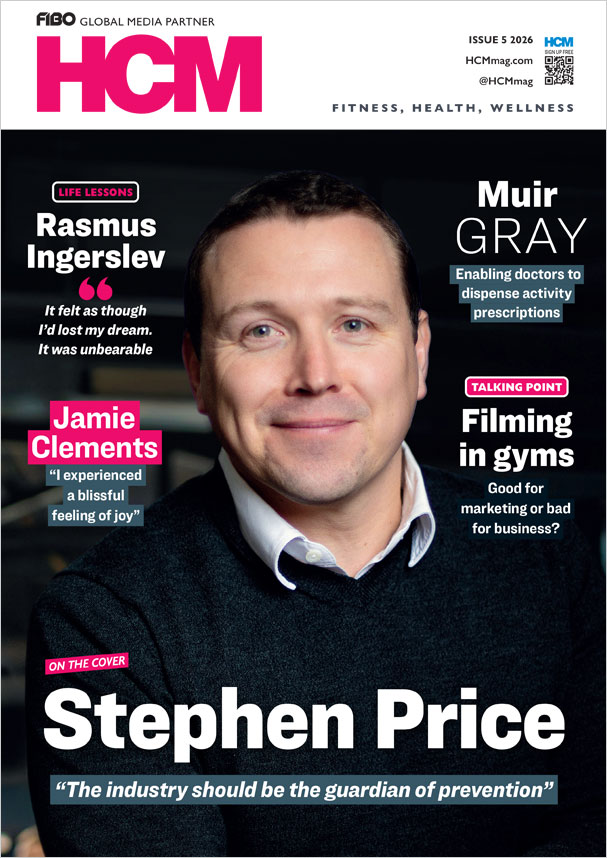
As the entrepreneur who started Wexer, Fresh Fitness, Fitness DK and Repeat, as well as being a former elite athlete, Rasmus Ingerslev’s life looked perfect from the outside, but onthe inside it was a different story. He talks to Kath Hudson about healing old wounds
HCM promotional features
Sponsored
SnowDome Fitness has added 50 per cent more space with cutting-edge Technogym solutions
HCM promotional features
Sponsored
Find out how your gym can tap into the corporate wellness boom
HCM promotional features
Sponsored
Greg Bradley looks at the shift towards strength training in gyms and advises on how operators can create the ultimate training environment
HCM promotional features
Sponsored
David Lloyd is stepping up its commitment to women’s health as it continues to explore what fit-for-purpose looks like for the female population
HCM promotional features
Sponsored
Starpool supports Olympic champion Marcell Jacobs, says Riccardo Turri
HCM promotional features
Sponsored
Third Space partnered with IndigoFitness to deliver a bespoke training space for its new club at The Whiteley
HCM promotional features
Sponsored
EGYM has opened a new HQ in Paternoster Square, London and revealed a range of new launches
HCM promotional features
Sponsored
The industry is embracing consumer-facing tech. Now it’s time to streamline back-of-house systems with Orbit4, says Daniel Jones
HCM promotional features
Sponsored
New launch, Salus House, elevates boutique wellness with high service levels and a partnership with Technogym
HCM promotional features
Latest News
Australia’s fast-growing fitness network, Viva Leisure, is adding a low-cost gym brand to its already ...
Latest News
Speedflex has launched a strength training programme for 10 to 16-year-olds, to make it safer, ...
Latest News
Tewinbury Farm Hotel in Hertfordshire, UK is expanding its premium leisure proposition with the launch ...
Latest News

Work is underway in Madrid on one of Europe’s most significant multi-functional complexes, ...

Latest News
PureGym is encouraging people to step away from their screens and go for a walk, ...
Latest News
Small improvements to sleep, diet quality, and physical activity, made in combination lead to a ...
Latest News
Therme Manchester’s 28-acre development, which will include interconnected glass pavilions that measure 65,000sq m, will ...
Latest News
The Yard Gym (TYG) is to become Nike Training’s official global training partner in a ...
Opinion
promotion
Strength training has moved from the margins to the mainstream.
Opinion: Building smarter strength spaces for today’s operators
Featured supplier news
Featured supplier news: Supporting long-term health: why whole body vibration belongs in clinical settings
As healthcare continues to shift towards prevention, there’s a growing focus on helping people stay active, independent and feeling good for longer.
Featured supplier news
Featured supplier news: W3Fit EMEA celebrates its fifth anniversary
Celebrating its milestone 5th anniversary, W3Fit EMEA returns in 2026 with an unmissable gathering of the Health & Fitness industry’s most influential leaders.
Company profiles
Company profile: Spirit Commercial Fitness
Spirit Fitness is a premier brand within the Dyaco International Inc. portfolio, a global leader ...
Company profiles
Company profile: IndigoFitness
IndigoFitness creates bespoke training spaces for commercial, education, public-sector, and specialist clients including the MoD ...
Supplier Showcases
Supplier Showcase - Future-proofing
Catalogue Gallery
Click on a catalogue to view it online
Featured press releases
ukactive press release: Are they Fit for Office? UK Active and Technogym throw down the gauntlet to MPs
Hundreds of staff, MPs and Peers from across Westminster have signed up for the Fit for Office parliamentary physical activity challenge, which takes place throughout June and is hosted by ukactive and Technogym.
Featured press releases
Innerva press release: Lex Leisure’s power-assisted exercise suite smashes targets in record time
Crook Log Leisure Centre has more than doubled the membership target for its new power- assisted exercise suite in less than six months.
Directory
Spa and beauty equipment
Living Earth Crafts: Spa and beauty equipment
Fitness tracking platform
SpiviTech: Fitness tracking platform
Lockers
Crown Sports Lockers: Lockers
Hot tubs
MSpa International Ltd: Hot tubs
Water experiences and hydrotherapy solutions
Aquaform s.r.l.: Water experiences and hydrotherapy solutions
Industrial washing machines
Miele Company Limited: Industrial washing machines
Property & Tenders
Stratford, East London.
Lee Valley Regional Park Authority
Property & Tenders
Y Felinheli, LL56 4QN
Newmark
Property & Tenders
Diary dates
13-13 Jun 2026
Worldwide, Various,
Diary dates
21-24 Sep 2026
The Langham Huntington Pasadena , Pasadena, United States
Diary dates
06-08 Oct 2026
Messe Stuttgart, Stuttgart, Germany
Diary dates
22-22 Oct 2026
QEII Conference Centre, London,
Diary dates
26-29 Oct 2027
Koelnmesse Exhibition Centre, Cologne, Germany
Diary dates

features

Feature: Human cost

A recent CIMSPA Employer Partner report found between 85 and 100 per cent of employers are experiencing staff shortages in the UK, while salaries went down between December 2020 and 2021. Is our workforce experiencing an employment crisis? Sarah Lloyd investigates

Published in Health Club Management 2022 issue 3
Staff could be given an extended family membership to grow loyalty / photo: shutterstock/Gutesa
The leisure industry is competing with the entire service industry, at a time when other sectors are increasing salaries

There’s no doubt the sector’s 200,000-strong workforce* is doing vital work for the health of the nation. But knocked by Brexit, lockdowns and Omicron, many employees have left the industry. CIMSPA suggests 86 per cent of operators have been forced to shut or partially-shut facilities and suspend services due to staff shortages, creating a cycle of poor staff retention and service for customers.

Abhi Lakhina, MD of Love Recruitment, says the fitness industry is not alone in competing for skilled workers. “Every year, leisure, hospitality and retail lose a certain number of transient staff – this will always be the case. However, we’re now experiencing the perfect storm – COVID, Brexit and Visa and migration issues mean the natural churn of staff has accelerated, with fewer people available to fill the gaps.

“This is troubling for the leisure industry because it’s competing with the entire service industry, including retail and big hospitality brands, at a time when these sectors are increasing salaries.”

Community Leisure UK (CLUK) members are reporting staff shortages across the board, from entry-level roles to senior management, which means, above and beyond salaries, we must ask what else is going wrong in leisure?

Trafford Leisure, a Community Interest Company managing eight leisure facilities on behalf of Trafford Council, is currently operating at a staff shortage of 35 per cent – a figure not unusual among Community Leisure members, who report having to recruit between 20 and 33 per cent of their usual workforce each year.


CEO Jo Cherrett says: “Digital advancements brought about by the pandemic have fast-tracked people’s approach to where they work, how they work and what their employment expectations are. People are re-evaluating what’s important, with the key takeaway being that flexible working is here to stay.

“On a positive note, if employers embrace a flexible workforce there’s no reason why they can’t have someone working for them from anywhere in the world, which gives us more opportunity to find innovative people for the sector. But the challenge is that our senior managers/support staff are largely working in a hybrid model, whereas our operational/front of house staff are not. There’s a real risk of creating a divided culture, where one part of the workforce has complete flexibility, while those who are predominately less well paid have none.”

Cherrett believes an agile workforce is the way forward. “This could mean operational staff have at least two types of qualification and can, for example, instruct in the gym or take swimming lessons. This would allow us to run leisure centres more efficiently, with no clear divide between operations and support staff, and so pay a smaller team a lot more. For example, with a hybrid model, a third-year marketing student who works as a lifeguard two nights a week could also work one day a week in the marketing department.”

Aaron McCulloch, MD of Your Personal Training agrees: “There needs to be wholesale change from the top down in terms of roles and job descriptions; employers need to be clear and upfront about expectations. For example, a fitness instructor’s role usually involves a bit of everything, including front of house, checking pool temperatures, lifeguarding, cafe duties and cleaning. There’s a massive disconnect between qualifications, job description and the reality of the role. Far too often staff end up feeling like a glorified cleaner who’s undervalued and underpaid.

“Standalone roles don’t exist, so repurposing qualifications will be central to the development of careers in the sector and long-term staff retention. We should be looking at broader roles, such as wellbeing manager or gym floor operation manager. People want flexibility, and senior leaders must think creatively about how they can accommodate this.”

Valuable assets
In the last 10 months alone, YPT has seen almost 300 people from within the sector, leaving employment to become a self-employed PT, reporting low pay, feeling undervalued and a lack of flexibility within their reasons.


McCulloch says: “Most operators study the member journey, but not what motivates staff. I find it unbelievable that some still don’t offer staff free membership – they should be your number one advocates and if you’re not upskilling them, you’re undervaluing them – only through investment in training will you reach a return of high performance.

“Our PTs earn some of the highest wages in the industry, at an average of £37,575pa against an industry average of £26,280pa and they stay in jobs for 28.6 months against an average of less than a year. This is partly because they get ongoing training and have autonomy.

Lakhina adds: “PTs are the backbone of the sector, but very little is known about what they want from the industry. Our survey found 46.3 per cent have a career goal of running their own PT business or gym, while 38.4 per cent want to become a senior manager. This demonstrates a desire to stay in the sector and is further supported by our findings that the top three things a PT looks for in an employer are progression of opportunities, team environment and financial success.”

Tara Dillon, CIMSPA CEO thinks the problem is cyclical. “We need to make our sector more attractive to the communities we serve and potential employees. Around 100,000 students will graduate with a Sport Science degree or similar this summer. Where do they vanish to? Members of Generation Z think differently about who they choose to work for, they look at the ethics of a company,” she says. “Zero-hour contracts and self-employment might save a facility money initially, but in the longer term it doesn’t make an individual feel valued or create a cohesive workforce.”

It’s something Cherrett is passionate about, but she says an honest conversation needs to be had around the living wage. “We know staff who have come to us from a supermarket prefer our environment, the perks and the values of our brand, and that the work is less boring, with greater responsibility. But I also know I only have a couple of years before they need to be earning more. Fifteen years ago, being a lifeguard paid significantly more than stacking shelves – that’s no longer the case.

“Our ability to connect with staff and how we treat them is what’s going to help us to come out of this perfect storm. For example, we give our staff free membership, which after a year’s employment is extended to two additional family memberships and after two years, that becomes three etc.

“As with our customer packages, we don’t define what a family is. This inclusive approach adds meaningful impact to our employee’s immediate community and they hopefully become the champions for our brand.

“We’ve partnered with Simply Health to help staff with dentistry, GPs, fast-tracking consultant appointments and free counselling. We also have ‘mental health first aiders’ to help develop a resilient workforce. Some staff, especially those who worked throughout the pandemic and those covering extra shifts due to staff shortages, are feeling burned out. How can we promote positive wellbeing without looking at our staff first? I’ve never had to consider the resilience of my staff as much as I do now.”

Train to retain
Dillon believes training is key to a resilient workforce and says that, whilst CIMSPA’s recent findings don’t initially make positive reading, our sector is further down the line than others in resolving workforce issues. “Not prioritising training is a false economy. It’s easier to train existing staff than take on new employees, so investigating new funding sources could be the answer if budgets are tight.”

Lakhina agrees: “It’s crazy to think a PT can qualify in four to six weeks and charge/earn the same as a PT with 10 years’ experience. The point at which they qualify should not be the end of their training, it should be the start – and employers need to invest in their people from the get-go.”

The ReTrain to Retain scheme is a £5m job retention and support package, funded by Sport England through the National Lottery and delivered by CIMSPA alongside UK Coaching and EMD UK.

Dillon says: “It’s already been successful in getting people back into the industry post-lockdown, by identifying where the need is and up-skilling staff to fill gaps. We need to tackle long-term staff shortages by creating sustainable, eco-system ‘place-based’ learning opportunities – a local approach to training that makes use of communities to engage more effectively with regional demographics.

“People need to ‘see themselves’ in any given role. For example, if an area has a large ethnic population, that community has to be ‘seen’ and visible within the sector. We can’t just sit in our facilities waiting for customers to come to us. It’s the same for recruitment. To make a facility stand out, they must invest in their people, reach out to their community and consistently upskill their workforce.”

Rebecca Cox, MD at the Institute of Swimming (IoS) and Business Engagement Director at Swim England agrees: “There’s been a resurgence in aquatics post-lockdown. Operators increasingly understand the value of their swimming offer and are working in partnership with us to remove the financial barriers to training. Now the problem is finding the swimming teachers of the future. We need to look outwards, learn from other industries and engage with people beyond our own peripheral view; we can’t just engage with people who love to swim. Our recruitment academy is a great example. It’s given us the opportunity to talk to people who wouldn’t even think it’s a plausible career, dispelling myths such as ‘you need to be an Olympic athlete’.”

The IoS Teachers’ Academy is part-funded by operators looking for staff, taking candidates through Swim England’s Level 1 Swimming Assistant (teaching) and Level 2 Teaching Swimming qualifications.


Trainees get a year’s membership to the IoS, which includes insurance and access to CPD. They work with potential employers to ensure they have the necessary experience for the role.

Cox continues: “We’ve had success finding new swimming teachers by actively engaging with the local demographic. It’s so important the leisure sector is representative of the communities it serves and, while it’s not where it needs to be yet, the trend is positive.”

Similarly, CIMSPA’s Local Skills Improvement Plan (LSIP) for Leicester and Leicestershire is part of the Department of Education’s Skills Accelerator programme – a ‘trailblazer’ project looking at the information barriers that exist between employers and education providers, with the vision of making skill training more responsive to employer’s needs. Working with colleges, the Chamber of Commerce, local authorities and 150 employers in the area, they identified skill shortages, bringing in CIMPSA training partners to upskill and help resolve the issues.

Active Oldham (Oldham Community Leisure) has had some success through the Government’s Kick Start scheme, which provides funding for businesses that create jobs for 16- to 24-year-olds on Universal Credit. The funding covers 100 per cent of the National Minimum Wage for 25 hours a week for up to six months. Simon Blair, Oldham Active’s Head of Business says: “This scheme can introduce the young people in our community to a career in leisure, hopefully for the long term. We currently have nine young people working with us under this programme, and have already extended one person’s employment. The others have completed their pool lifeguard training.”

Dillon concludes: “Apprenticeships are a great opportunity for employers to recruit and retain talent. CIMSPA and ukactive must continue to lobby for funding as they remain one of the best routes into our industry as people can earn as they learn.

“Many people join our sector seeking a vocational and rewarding career, knowing it doesn’t pay well. With appropriate and accessible training in place, opportunities for a long-term, fulfilling, well-paid career are there. Whilst deep problems remain within recruitment, consistent and determined action from the government and employers can and will deliver results.”

* In a ukactive report Tara Dillon, CEO of CIMSPA, says: ‘There are around 7,000 gyms, pools and leisure facilities across the UK, employing more than 189,000 full-time staff, 60,000 self-employed or freelance staff, such as PTs.’

Low-paid PTs are seeing self-employment as a better option / photo: shutterstock/MilanMarkovic78
Zero-hour contracts do not create a cohesive workforce / photo: shutterstock/Gutesa
A fitness qualification should be just the start of the training journey / photo: shutterstock/MilanMarkovic78
Apprenticeships enable clubs to recruit and retain fresh new talent / photo: shutterstock/MilanMarkovic78
https://www.leisureopportunities.co.uk/images/2022/228380_547330.jpg
With between 85 and 100 per cent of employers reporting staff shortages, is the UK fitness sector heading into a workforce employment crisis and what can be done about it? HCM reports
Latest News
Australia’s fast-growing fitness network, Viva Leisure, is adding a low-cost gym brand to its already ...
Latest News
Speedflex has launched a strength training programme for 10 to 16-year-olds, to make it safer, ...
Latest News
Tewinbury Farm Hotel in Hertfordshire, UK is expanding its premium leisure proposition with the launch ...
Latest News

Work is underway in Madrid on one of Europe’s most significant multi-functional complexes, ...

Latest News
PureGym is encouraging people to step away from their screens and go for a walk, ...
Latest News
Small improvements to sleep, diet quality, and physical activity, made in combination lead to a ...
Latest News
Therme Manchester’s 28-acre development, which will include interconnected glass pavilions that measure 65,000sq m, will ...
Latest News
The Yard Gym (TYG) is to become Nike Training’s official global training partner in a ...
Latest News
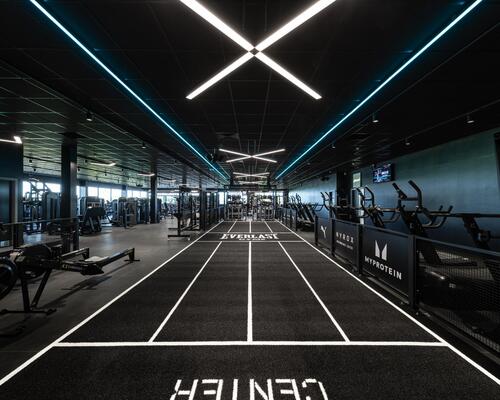
Everlast Gyms' York site has reopened following a refurbishment to bring it up to the ...
Latest News
Luxury hospitality and wellness pioneer Jeremy McCarthy has launched Leisure Alchemy, a digital platform that ...
Latest News
A contrast therapy and breathwork facility called Reset has opened in Islington, London, in the ...
Opinion
promotion
Strength training has moved from the margins to the mainstream.
Opinion: Building smarter strength spaces for today’s operators
Featured supplier news
Featured supplier news: Supporting long-term health: why whole body vibration belongs in clinical settings
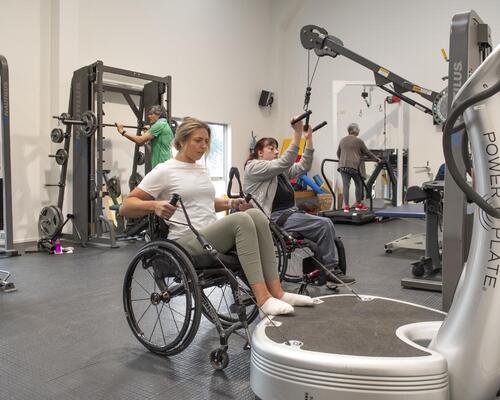
As healthcare continues to shift towards prevention, there’s a growing focus on helping people stay active, independent and feeling good for longer.
Featured supplier news
Featured supplier news: W3Fit EMEA celebrates its fifth anniversary
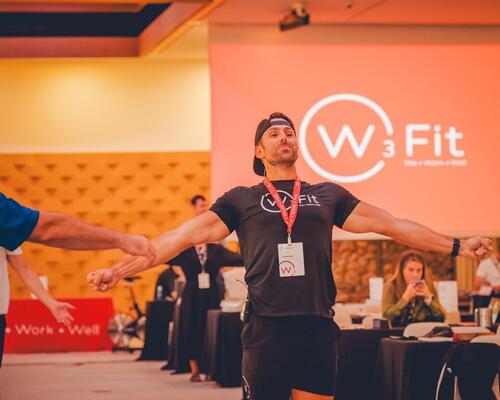
Celebrating its milestone 5th anniversary, W3Fit EMEA returns in 2026 with an unmissable gathering of the Health & Fitness industry’s most influential leaders.
Company profiles
Company profile: Spirit Commercial Fitness
Spirit Fitness is a premier brand within the Dyaco International Inc. portfolio, a global leader ...
Company profiles
Company profile: IndigoFitness
IndigoFitness creates bespoke training spaces for commercial, education, public-sector, and specialist clients including the MoD ...
Supplier Showcases
Supplier Showcase - Future-proofing
Catalogue Gallery
Click on a catalogue to view it online
Featured press releases
ukactive press release: Are they Fit for Office? UK Active and Technogym throw down the gauntlet to MPs
Hundreds of staff, MPs and Peers from across Westminster have signed up for the Fit for Office parliamentary physical activity challenge, which takes place throughout June and is hosted by ukactive and Technogym.
Featured press releases
Innerva press release: Lex Leisure’s power-assisted exercise suite smashes targets in record time
Crook Log Leisure Centre has more than doubled the membership target for its new power- assisted exercise suite in less than six months.
Directory
Spa and beauty equipment
Living Earth Crafts: Spa and beauty equipment
Fitness tracking platform
SpiviTech: Fitness tracking platform
Lockers
Crown Sports Lockers: Lockers
Hot tubs
MSpa International Ltd: Hot tubs
Water experiences and hydrotherapy solutions
Aquaform s.r.l.: Water experiences and hydrotherapy solutions
Industrial washing machines
Miele Company Limited: Industrial washing machines
Property & Tenders
Stratford, East London.
Lee Valley Regional Park Authority
Property & Tenders
Y Felinheli, LL56 4QN
Newmark
Property & Tenders
Diary dates
13-13 Jun 2026
Worldwide, Various,
Diary dates
21-24 Sep 2026
The Langham Huntington Pasadena , Pasadena, United States
Diary dates
06-08 Oct 2026
Messe Stuttgart, Stuttgart, Germany
Diary dates
22-22 Oct 2026
QEII Conference Centre, London,
Diary dates
26-29 Oct 2027
Koelnmesse Exhibition Centre, Cologne, Germany
Diary dates
Search news, features & products:
Find a supplier:
Les Mills
Les Mills
Partner sites