



























features
Briefing: Fitness in Europe
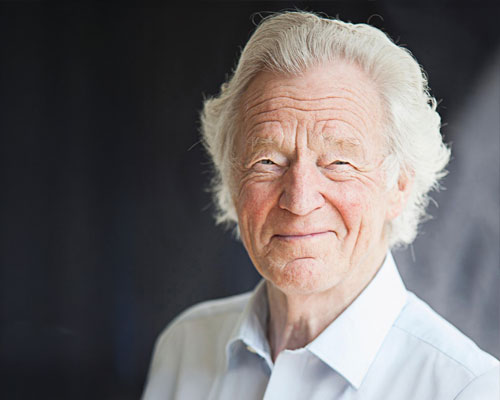
Cliff Collins shares context and the historical setting of the sector


During the 1990s a number of countries and institutions became increasingly concerned about the rising healthcare costs associated with physical inactivity. A landmark document in 1996, Physical Activity and Health: A report of the US Surgeon General set out the significant health benefits of regular physical activity for the first time, saying that ‘moderate physical activity, such as brisk walking for 30 minutes a day, can reduce the risk of chronic diseases such as coronary heart disease, diabetes, hypertension, and colon cancer – otherwise known as non-communicable diseases. It also made an important connection with the need to integrate physical activity into daily life and not for it to be considered solely as an ‘additional’ activity.
In 2001 a report commissioned by the UK’s Department of Health (DoH) called the National Quality Assurance Framework (NQAF) stated that ‘There is now compelling evidence that physical activity is important for health and has great potential for health gain.
Physical inactivity is strongly linked with a range of physical and mental health problems…’ (DoH, 1995; HEA 1994; USA-DHHS, 1996; WHO/Federation of Sports Medicine 1996; Biddle, et al). The NQAF was also the first document of its kind to make a link between the opportunities of the fitness sector working with other healthcare professionals through a proposed extensive exercise referral programme.
The EU platform for action on diet, physical activity and health was established in 2004 as a forum for European-level organisations which developed a database of stakeholder initiatives. The platform was overseen by the Directorate for Consumers and Public Health (DGSanco). The platform ended in 2020, but its work was dominated by the food and drink sectors and HEPA-based organisations were just a small minority.
The foundation of HEPA Europe
HEPA Europe (European network for the promotion of health-enhancing physical activity) was established in 2005 to provide a forum for the advancement of research, policy and practice for better health and wellbeing across the World Health Organization (WHO) European Region. In 2007, it published a European Framework to Promote Physical Activity for Health stating “the promotion of physical activity should therefore be a fundamental component of public health work. Action must now be taken on the basis of the best available evidence and practice”.
In 2008, the European Commission Sport Unit, which was part of the Directorate for Education and Culture (DGEAC), published the first and only EU Physical Activity Guidelines which covered a number of proposed policy areas for development, but it also made the first EU commitment in its Guideline 1 that said: "In accordance with the guidance documents of the World Health Organization, the European Union and its member states recommend a minimum of 60 minutes of daily moderate-intensity physical activity for children and young people and a minimum of 30 minutes of daily moderate-intensity physical activity for adults including seniors."
The guidelines were the first document in the European Commission referring to ‘fitness centres’.
Perhaps a defining moment came in 2010 when the WHO published the Global Recommendations on Physical Activity for Health, the first population-based public health guidelines for children and adolescents, adults and older adults. The recommendations have subsequently been updated a number of times, but they’ve become the mainstay of the basis of public policy around the world and are much referenced across the fitness sector.
The Sport Unit oversaw the foundation of an Expert Group on Sport Health & Participation which reported on three outcomes in 2012. The first proposed a new EU policy initiative in the field of Health Enhancing Physical Activity (HEPA), the second was strengthened cooperation between the sport and the health care sectors (requiring closer cooperation between various directorates of the European Commission) and third was the promoting and importance of active ageing.
Accordingly, the European Union Work Plan for Sport (2011-2014) identified HEPA as among the priority themes. The Commission declared 2012 as the Year of Active Ageing and in 2014 the Expert Group on HEPA was formed. It invited Member States to adopt national strategies, develop cross-sector HEPA policy approaches and implement corresponding action plans to promote physical activity. It also invited the European Commission to promote the establishment and functioning of a monitoring framework in close synergy and cooperation with the WHO, recognising that the availability of more information and better data on physical activity levels and HEPA promotion policies was an essential element when it came to underpinning better evidence-based policy.
There are some notable campaigns and promotions running which support the ‘get active’ message and which claim mass-participation, but their legacy is more difficult to track. This is especially when trying to identify how many non-exercisers take-up regular exercise because of these events and messaging. These two examples from Europe are amongst the most successful:
The UK’s National Fitness Day campaign is an annual event that encourages people of all ages and fitness levels to get active. It was first organised in 2011 by Energie Fitness founder, the late Jan Spaticchia, who gifted it to UK Active to run on behalf of the nation. UK Active has subsequently created a Jan Spaticchia award in his honour.
National Fitness Day promotes the importance of regular exercise by hosting free fitness classes, community events, and activities in gyms, parks, and workplaces across the country. The aim is to inspire people to make physical activity a regular part of their daily lives, improving both physical and mental health. It takes place each year on the last Wednesday of September, with millions of people participating nationwide.
The Republic of Ireland also runs its own National Fitness Day campaign, which is also held in September.
The European Week of Sport is an initiative launched by the European Commission in 2015 to promote physical activity and healthier lifestyles across Europe. It takes place annually, typically in the last week of September and encourages people of all ages and fitness levels to engage in sports and physical activities.
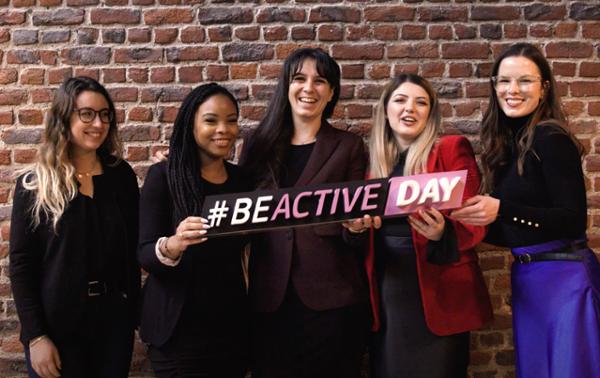
The campaign has been a success, with growing participation numbers each year. Since its inception, millions of people across more than 40 countries have taken part in thousands of events. In 2022 alone, the initiative attracted over 13 million participants. The campaign’s slogan #BEACTIVE has helped raise awareness about the benefits of physical activity from improving health to fostering social connections.
EU funding for physical activity
The European Commission has a long history of funding projects and in 2014 launched the Erasmus+ programme to provide funding to support sport projects across Europe, promoting physical activity, inclusion and cooperation. The programme focuses on grassroots sports and initiatives that tackle social challenges, promote good governance and combat issues such as match-fixing and doping. Funding is available for collaborative partnerships, small-scale projects, and events that involve different countries.
As of 2023, over 1,200 sport projects have been funded, supporting initiatives that bring together organisations from various European countries. For the 2021-2027 period, Erasmus+ allocated around €470m to sport, ensuring ongoing support for collaboration, innovation, and inclusion in sport at all levels.
This funding helps sports organisations, local authorities, and NGOs to work together to improve the sporting experience for all, with a particular focus on marginalised groups and social integration. Although there’s some independent evaluation of overall project successes, there is little top-down view of their effectiveness in contributing to the raising activity levels per se.
EuropeActive has been the coordinator of a number of Erasmus+ projects, including Promoting Active and Healthy Ageing (PAHA) and Active Learning for Children in Schools (ALCIS). More recently, over several years, there has the #BEACTIVEDAY programme that has coordinated with the timing of the European Week of Sport.
Now in its 15th year, the HEPA Europe conference (the European Network for the Promotion of Health-Enhancing Physical Activity), which is jointly organised by WHO/Europe, brings together scientists, policymakers, professionals and other stakeholders to facilitate the implementation of knowledge. It is the most recognised annual event in Europe, connecting participants to drive the direction of policy development in HEPA.
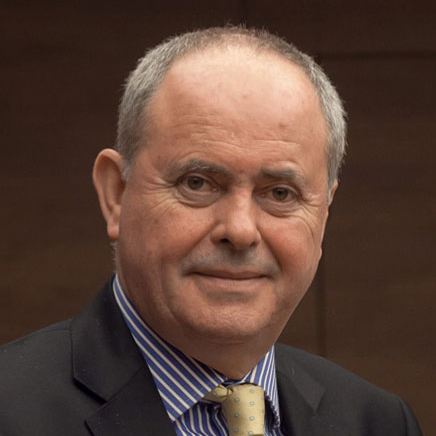
"The EU and WHO realise that increasing levels of inactivity have had negative impacts on health systems, the environment, economic development, community wellbeing and quality of life" – Cliff Collins