







GET HCM
magazine
Sign up for the FREE digital edition of HCM magazine and also get the HCM ezine and breaking news email alerts.
Not right now, thanksclose this window I've already subscribed!
Les Mills
Les Mills
Les Mills
Follow Health Club Management on Twitter Like Health Club Management on Facebook Join the discussion with Health Club Management on LinkedIn
FITNESS, HEALTH, WELLNESS

Latest news

The Pompidou Centre at 40: CLAD speaks to architect Mike Davies about Paris' landmark project

One of the individuals integral to the completion of Paris’ landmark Pompidou Centre has told CLADglobal about the “terrific fight” Richard Rogers, Renzo Piano and the rest of the design team had with the French architectural establishment to realise their “radical” vision for the controversial project.

In an exclusive interview with CLADglobal to celebrate the 40th anniversary of the building, Davies revealed that many local practices “resisted the notion of foreign architects doing a national building.”

“We weren’t registered with the French Architecture Institute, but there we were, designing a grand national project with the French president as our client,” he said. “There were incredible diatribes against the Pompidou, funnily enough including one featuring exactly the same words used against the Eiffel Tower when that was first proposed.

“The concept was radical, the construction was radical and the design detail was unlike anything else seen in France, so there were lots of professional critics and many sceptical officials.

“The obstructive dam broke after nearly three years, when they realised that it was too late to stop us. By then we had created the biggest hole in Paris and steel was rising out the ground.”

Reflecting on the success of the building, which, while still divisive, is one of the world’s most-visited attractions and a French architectural icon, Davies said: “For me, is is as exciting now as it was when we first built it.

“It remains true to Richard Rogers’ competition-winning vision of a building for all people.”

The full interview with Mike Davies appears below and can also be read on digital turning pages. The feature appears in the new issue of CLADmagour quarterly magazine – which also features exclusive interviews with Jeanne Gang, James Corner, Santiago Calatrava and Lyndon Neri.

Back in 1977, a new cultural building caused quite a stir when it opened in Paris. Some of the world’s greatest architects, including Oscar Niemeyer and Philip Johnson, hailed it as a revolutionary piece of work. Critics called it a monstrosity.

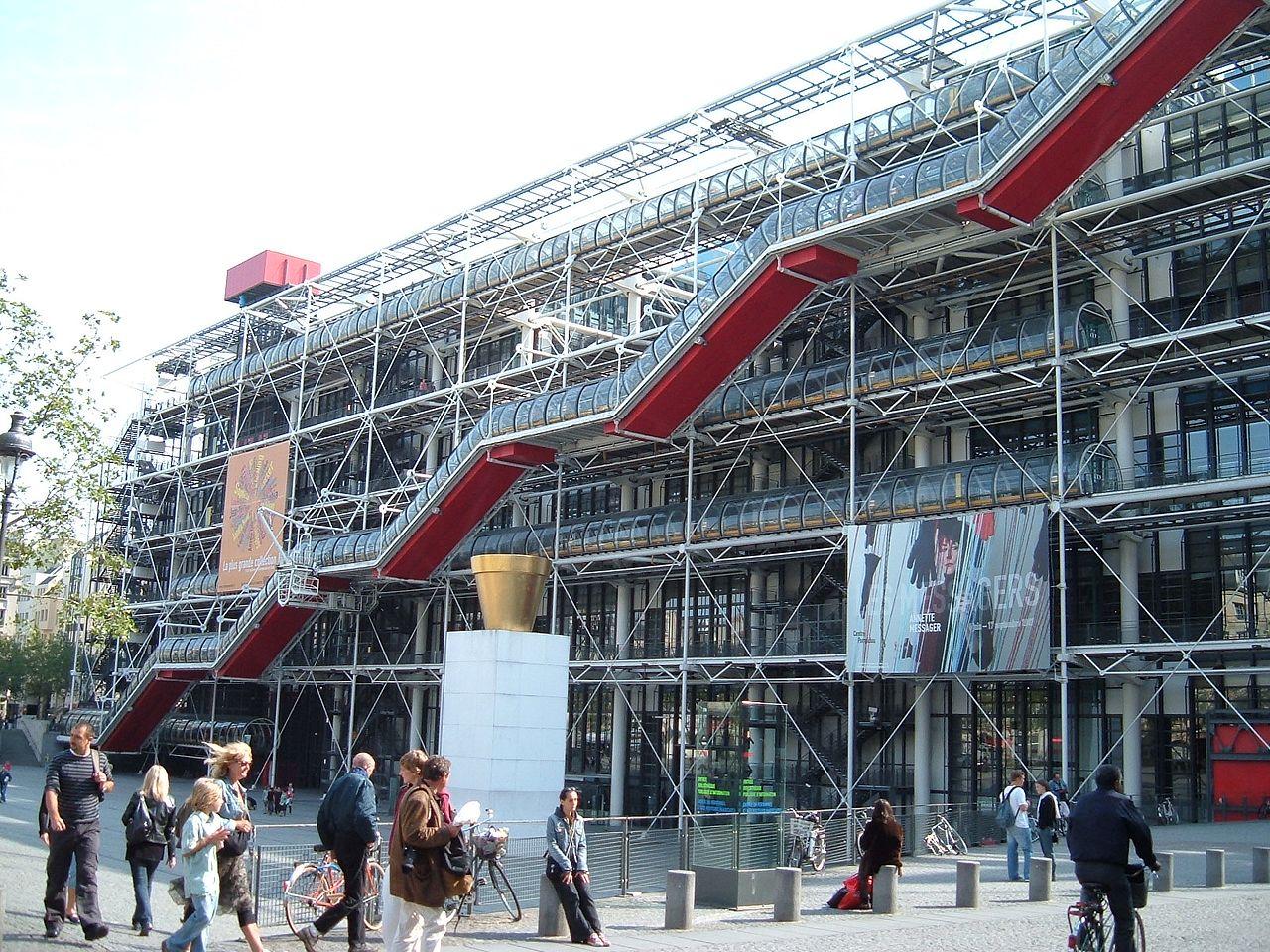
What none of them could have predicted was that, 40 years on, the Centre Georges Pompidou would be one of the world’s most popular cultural buildings – receiving an average of 3.8 million visitors a year. Its famous steel skeleton, ‘inside-out’ configuration, exterior caterpillar escalators and colour-coded utility pipes are recognised by people across the world.

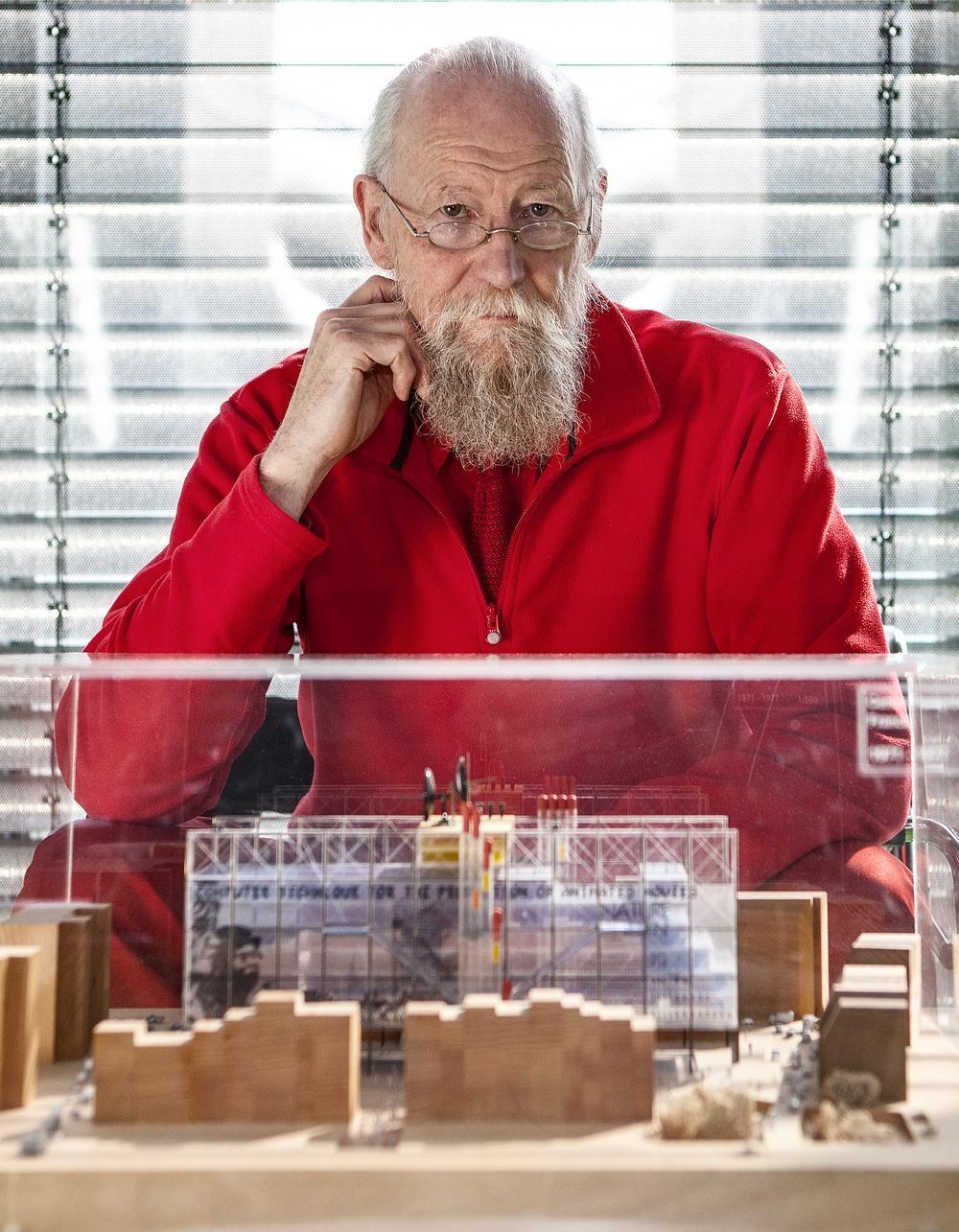
To celebrate the 40th anniversary of this architectural icon – created by Richard Rogers, Renzo Piano and a talented team of architects, designers and engineers – CLADglobal has spoken Mike Davies, an integral part of the Pompidou story and a founding partner of the Richard Rogers Partnership (now RSH+P).

How did you become involved with the Pompidou Centre project?

I had started an architectural practice called Chrysalis with two British friends – Alan Stanton and Chris Dawson – and we had a lightweight structures firm out in Los Angeles. The ethos of America at the time was all about autonomous living, being off grid and not relying on orthodox networks. Our fascination was with inflatables; at the time, the last thing we wanted to do was traditional buildings. We carried out 53 projects in four years, 27 of which were built. Some of them were really way out – including the world’s largest mirror dome.

It was a great time. We used to go and watch Jimmy Hendrix, Janis Joplin, Crosby, Stills and Nash and a radical dodgy group called The Rolling Stones. Everyone and everything in LA was creative and there was a buzz everywhere.

Then one day I got a phone call from someone I’d met in London in Architectural Association circles called Richard Rogers. He’d spoken to me some years before because I had some expertise in inflatables and lightweight structures.

He called at 4.30am – he’d forgotten the time difference – and explained that he and Renzo Piano had won this enormous competition in Paris. ‘The problem is, they think we’re a huge architectural machine, when really it’s three guys and a dog in charge,’ he said. ‘Would you guys be prepared to join us?’

Our visas in the USA were running out, so we all met around the pool to decide if we should leave for Paris. Eventually we thought, ‘what the hell, let’s go for it’.

I arrived in Paris on 19 February 1972; it was -9 degrees. I’d rented an apartment with a stone floor and it was like living in a fridge. When we all met up, I remember us looking at each other and saying, ‘Oh my God, what have we done?’

So our Paris experience started with a shock. In the end it turned into six wonderful years.

Where did the design concept for the Pompidou Centre come from?

All our team were wary of building monuments – especially one to a president – because most of the time with projects like this clients wanted something self-consciously grand and iconic, rather than functional and challenging.

Our concept, expressed in Richard and Renzo’s competition drawings, was different. It wasn’t really a building. Instead it was a Meccano set – a machine that could adapt continuously to varying events and uses over time.

Every other art museum at that time was a basilican building with rooms and halls connected to other rooms. Curators were faced with wrestling with the issue of achieving the vision and layout they wanted in a building they were heavily constrained by.

With Pompidou, the basic idea was a loose-fit flexible space where the building did not constrain what you wanted to exhibit. It had to house a permanent collection of modern art – one of the finest in the word – and temporary ones from all over the planet, so adaptability was fundamental. Each open, loose fit floorplate was the size of two football pitches, with no columns. That was a total departure.

We designed the Pompidou Centre on the basis that its users didn’t know what would happen to it in 10 years’ time. So we separated the served and servicing areas to create a clean, neutral user space. The piping and services were all grouped outside on one façade, with the opposite façade being dedicated to feeding people in and out of the huge useable spaces within the building. This ‘served and servant’ approach has been a common characteristic of our practice ever since – for example, with the Lloyd’s of London building in London.

Finally, we were great lovers of Gustave Eiffel and we wanted to make a fine steel building in the great French tradition, which had virtually disappeared, and which we wanted to revive.

How did people respond to the design?

There was a terrific fight with the French architectural establishment, who resisted the notion of foreign architects doing a national building. We weren’t registered with the French Architecture Institute, but there we were, designing a grand national project with the French president as our client.

There were incredible diatribes against the Pompidou, funnily enough including one featuring exactly the same words used against the Eiffel Tower when that was first proposed.

The concept was radical, the construction was radical and the design detail was unlike anything else seen in France, so there were lots of professional critics and many sceptical officials. We were menaced with court action.

The obstructive dam broke after nearly three years, when they realised that it was too late to stop us. By then we had created the biggest hole in Paris and steel was rising out the ground.

There was a wonderful government project leader, Robert Bordaz, who was a friend of Georges Pompidou. He was a legendarily safe pair of hands and a master at defending against political attack. He dealt deftly and elegantly with all our opposition. Without him, the Pompidou Centre would never have been built.

What are your memories of the opening day?

A few months earlier, Georges Pompidou had died and the budget had been immediately frozen by the new president. We were 86 per cent through the budget when that happened, so we ended up going down to the local hardware shops to buy paint to finish the building.

The opening had a strange atmosphere. The new president, Valéry Giscard d’Estaing, an aloof man of the right, was very unlike the left-leaning Pompidou. He opened the Pompidou Centre with a grand speech, but without mentioning either the building or its architects. That was quite an achievement!

There were huge queues, but nobody was on our wonderful public piazza, which was entirely fenced off and inaccessible. It took six months to get the barriers removed. The attitude was: ‘Mr Rogers, this is a national building, we can’t have the public coming up to the front doors!’

Richard had to go to the top of the political establishment and the police, explaining that the piazza was meant to be open to everyone and the building was consciously designed for the common man – a symbolic manifestation of the new open society in France.

What is your personal view of the Pompidou Centre today?

The acid test is if you go ‘wow’ when you go into your own building. I think we did with the Pompidou Centre. I still find the lacy façade and rocker beams spectacular and beautiful.

It’s still radical and young people still love it. The moment it opened it was taken over by students, and that friendly occupation has never really stopped.

For me, the Pompidou Centre is as exciting now as it was when we first built it. It remains true to Richard’s competition-winning vision of a building for all people.

I also still love the underground building I was in charge of that is part of the centre – the Institute for Research and Coordination in Acoustics/Music. I had a wonderful time creating it for the French composer Pierre Boulez, who’d returned to Paris to lead an open research centre for avant-garde musicians. It features the world’s most acoustically flexible studio space – a 400-person experimental studio.

What impact do you think the Pompidou Centre has had?

There was popular public acclaim after the centre was built, and at the same time professional art gallery scepticism.

It was more radical than any other art museum on the planet and it looked like a piece of technology. Most people in the art world wanted more cool concrete surfaces, discreet lighting, neutral spaces and discretion. We were the Johnny Rottens of the business, rather than the Simon Rattles.

But the building continues to cope with any curatorial vision and is uplifting and bubbling with life. So it’s been immensely successful. Few venues have significantly exceeded its visitor numbers, apart from the Millennium Dome – now the O2 Arena – the world’s most successful entertainment venue. It’s nice to have been involved with both.

What inspires you, apart from architecture?

Anything interesting is a passion. My problem is I’ve got too many passions. I have been an amateur astronomer all my life and in my spare time I build large telescopes and observatories. I love sailing, I rock climbed for many years and I’m an eclipse chaser. My wife and I go where we are told to go to by the movement of our solar system, rather than by a travel agent. The universe says, ‘right, you need to be on this little atoll in the South Pacific for two and a half minutes,’ and that’s where we go.

A total eclipse of the sun is one of the rare moments when a human can actually watch the earth, moon and our solar system visibly moving. You witness this huge eye in the sky staring down on the world.

You’re famous for dressing only in red. How did this begin?

It started in California in the late 1960s. This was the era of the Beatles – nobody was in grey suits. One day, walking on Hollywood Boulevard, I saw an incredible electric purple velvet suit in a shop window and smitten, I bought it straight away.

In Paris I used to travel from my flat by train to the Pompidou site in my purple suit. I thought the French women were quite bold, because I always got my bottom pinched on the Metro. One day Pierre Boulez said, ‘I admire your courage for wearing this incredible colour – and even more for demonstrating your homosexuality in public.’ I asked him what he meant, and he said: ‘Do you not know this is the code colour for the homosexual community in Paris if you’re incognito?’

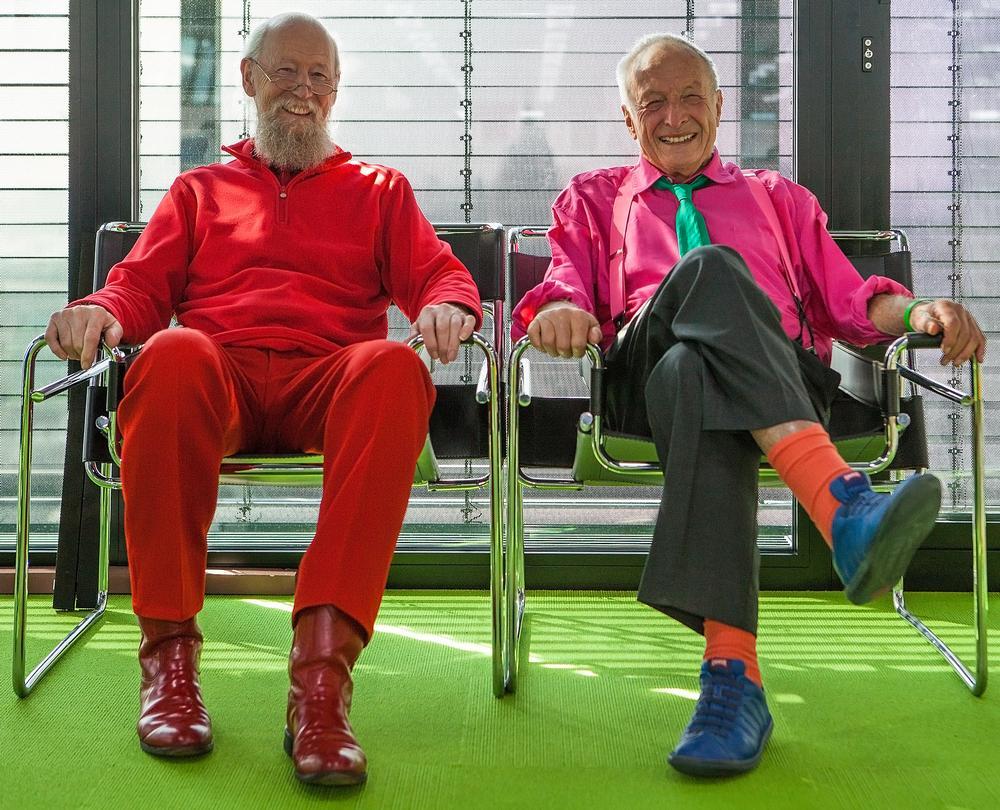
So I found out that it wasn’t the ladies who had been pinching my bottom on the Metro, it was the men! Being happily married to a wonderful French lady, to avoid confusion I went to the local sports shop and bought three pairs of bright red golf trousers. That’s when I started wearing all red.

It makes it easy to break the ice at parties, and you waste no time wondering what to wear in the morning. I have a red car, red telescopes and I draw with red pens.My clothes have started thousands of conversations and they tend to cheer everybody up, including New York immigration officers – which is quite an achievement!

Forty years of performance art in a conservative world have been an unmissable pleasure.

Related news

Architecture competition launched for €125m Pompidou satellite and design museum in Brussels

11 May 2017
An international architecture competition has been launched for the renovation of one of Brussels’ modernist ...
Back in 1977, a new cultural building caused quite a stir when it opened in Paris. Some of the world’s greatest architects, including Oscar Niemeyer and Philip Johnson, hailed it as a revolutionary piece of work. Critics called it a monstrosity.
CLD,ARC,DES
THUMB19268_97865.jpg
Latest News
Peloton has made the strategic acquisition of Pilates start-up, Skōp, to support the expansion of ...
Latest News
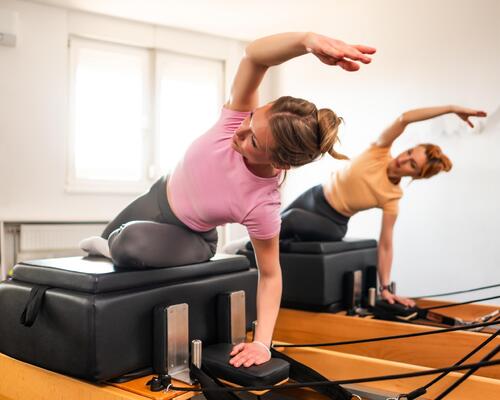
Crunch Fitness has announced the launch of Crunch Reform Pilates – its own reformer concept ...
Latest News
The 20th State of the Industry Report from LeisureDB has revealed a resilient, expanding and ...
Latest News
Purpose Brands has announced its entry into the Italian market, having sold the franchise rights ...
Latest News
Fitness First UK is integrating red light therapy into its yoga and Pilates classes through ...
Latest News
Nuffield Health has told HCM that it takes its responsibilities towards its colleagues seriously and ...
Latest News
Technogym has announced the launch of the Run X World Treadmill Championship, the first world ...
Latest News
Shocked by the UK loneliness statistics, charitable trust Mytime Active has been doubling down on ...
HCM promotional features
Sponsored
Starpool supports Olympic champion Marcell Jacobs, says Riccardo Turri
HCM promotional features
Sponsored
Third Space partnered with IndigoFitness to deliver a bespoke training space for its new club at The Whiteley
HCM promotional features
Sponsored
SnowDome Fitness has added 50 per cent more space with cutting-edge Technogym solutions
HCM promotional features
Sponsored
Find out how your gym can tap into the corporate wellness boom
HCM promotional features
Sponsored
Greg Bradley looks at the shift towards strength training in gyms and advises on how operators can create the ultimate training environment
HCM promotional features
Sponsored
David Lloyd is stepping up its commitment to women’s health as it continues to explore what fit-for-purpose looks like for the female population
HCM promotional features
Sponsored
EGYM has opened a new HQ in Paternoster Square, London and revealed a range of new launches
HCM promotional features
Sponsored
The industry is embracing consumer-facing tech. Now it’s time to streamline back-of-house systems with Orbit4, says Daniel Jones
HCM promotional features
Sponsored
Active IQ is calling for greater accountability in online fitness advice with the launch of a new trustmark
HCM promotional features
HCM magazine
Raphael Cuomo explores the powerful link between addiction, health and behaviour change
HCM magazine
Collaborations with the medical profession and greater aspirations around wellbeing are creating a need for more experts in our sector. It’s time to reboot our thinking around the workforce
HCM magazine
If the health service is to survive, we must recognise that it is a disease service – and that wellbeing rests with us, says the activity advocate and healthy ageing champion. He talks to Kate Cracknell
HCM magazine
Strength training is evolving, driven by changing consumer preferences. Julie Cramer talks to innovators about how their products are meeting this demand
HCM magazine
As the entrepreneur who started Wexer, Fresh Fitness, Fitness DK and Repeat, as well as being a former elite athlete, Rasmus Ingerslev’s life looked perfect from the outside, but onthe inside it was a different story. He talks to Kath Hudson about healing old wounds
Opinion
promotion
Strength training has moved from the margins to the mainstream.
Opinion: Building smarter strength spaces for today’s operators
Featured supplier news
Featured supplier news: Elevate 2026 to mark 10-year anniversary with biggest ever waterfront drinks reception
Elevate is set to celebrate its 10th anniversary in style this June, with organisers confirming the event’s largest-ever drinks reception as registrations continue to run more than 10% ahead of last year.
Featured supplier news
Featured supplier news: Supporting long-term health: why whole body vibration belongs in clinical settings
As healthcare continues to shift towards prevention, there’s a growing focus on helping people stay active, independent and feeling good for longer.
Company profiles
Company profile: Epassi UK
For the last 23 years they have been on a mission to create a fitter, ...
Company profiles
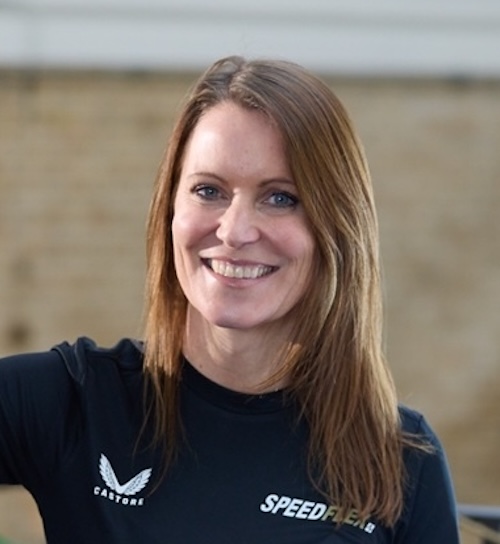
Company profile: Speedflex (UK & Ireland) Limited
Speedflex offers safe and effective, high intensity, low impact HIIT training in a variety of ...
Supplier Showcases
Supplier Showcase - Future-proofing
Catalogue Gallery
Click on a catalogue to view it online
Featured press releases
GLL press release: GLL joins National Year of Reading as research reveals books beat social media for post-exercise recovery
GLL, the charitable social enterprise operating Libraries and Leisure Centres across the UK, has today (9 June 2026) announced that it will be supporting the National Year of Reading as a major campaign partner alongside national organisations, including BBC Sport, Audible, DC Thomson and Tesco.
Featured press releases
BLK BOX press release: Inside the build: Ironbound. Turning an empty underground space into a thriving functional fitness facility
When brothers Patrick and Kevin first approached BLK BOX, they had a vision and an unusual space. Beneath a building in Embrach, Switzerland, sat an underground facility with huge potential. What it needed was the right layout, the right equipment, and a partner who understood functional fitness.
Directory
Water experiences and hydrotherapy solutions
Aquaform s.r.l.: Water experiences and hydrotherapy solutions
Hot tubs
MSpa International Ltd: Hot tubs
Fitness tracking platform
SpiviTech: Fitness tracking platform
Industrial washing machines
Miele Company Limited: Industrial washing machines
Spa and beauty equipment
Oakworks Inc: Spa and beauty equipment
Lockers
Crown Sports Lockers: Lockers
Property & Tenders
Stratford, East London.
Lee Valley Regional Park Authority
Property & Tenders
Y Felinheli, LL56 4QN
Newmark
Property & Tenders
Diary dates
13-13 Jun 2026
Worldwide, Various,
Diary dates
21-24 Sep 2026
The Langham Huntington Pasadena , Pasadena, United States
Diary dates
06-08 Oct 2026
Messe Stuttgart, Stuttgart, Germany
Diary dates
22-22 Oct 2026
QEII Conference Centre, London,
Diary dates
26-29 Oct 2027
Koelnmesse Exhibition Centre, Cologne, Germany
Diary dates

Latest news

The Pompidou Centre at 40: CLAD speaks to architect Mike Davies about Paris' landmark project

One of the individuals integral to the completion of Paris’ landmark Pompidou Centre has told CLADglobal about the “terrific fight” Richard Rogers, Renzo Piano and the rest of the design team had with the French architectural establishment to realise their “radical” vision for the controversial project.

In an exclusive interview with CLADglobal to celebrate the 40th anniversary of the building, Davies revealed that many local practices “resisted the notion of foreign architects doing a national building.”

“We weren’t registered with the French Architecture Institute, but there we were, designing a grand national project with the French president as our client,” he said. “There were incredible diatribes against the Pompidou, funnily enough including one featuring exactly the same words used against the Eiffel Tower when that was first proposed.

“The concept was radical, the construction was radical and the design detail was unlike anything else seen in France, so there were lots of professional critics and many sceptical officials.

“The obstructive dam broke after nearly three years, when they realised that it was too late to stop us. By then we had created the biggest hole in Paris and steel was rising out the ground.”

Reflecting on the success of the building, which, while still divisive, is one of the world’s most-visited attractions and a French architectural icon, Davies said: “For me, is is as exciting now as it was when we first built it.

“It remains true to Richard Rogers’ competition-winning vision of a building for all people.”

The full interview with Mike Davies appears below and can also be read on digital turning pages. The feature appears in the new issue of CLADmagour quarterly magazine – which also features exclusive interviews with Jeanne Gang, James Corner, Santiago Calatrava and Lyndon Neri.

Back in 1977, a new cultural building caused quite a stir when it opened in Paris. Some of the world’s greatest architects, including Oscar Niemeyer and Philip Johnson, hailed it as a revolutionary piece of work. Critics called it a monstrosity.

What none of them could have predicted was that, 40 years on, the Centre Georges Pompidou would be one of the world’s most popular cultural buildings – receiving an average of 3.8 million visitors a year. Its famous steel skeleton, ‘inside-out’ configuration, exterior caterpillar escalators and colour-coded utility pipes are recognised by people across the world.

To celebrate the 40th anniversary of this architectural icon – created by Richard Rogers, Renzo Piano and a talented team of architects, designers and engineers – CLADglobal has spoken Mike Davies, an integral part of the Pompidou story and a founding partner of the Richard Rogers Partnership (now RSH+P).

How did you become involved with the Pompidou Centre project?

I had started an architectural practice called Chrysalis with two British friends – Alan Stanton and Chris Dawson – and we had a lightweight structures firm out in Los Angeles. The ethos of America at the time was all about autonomous living, being off grid and not relying on orthodox networks. Our fascination was with inflatables; at the time, the last thing we wanted to do was traditional buildings. We carried out 53 projects in four years, 27 of which were built. Some of them were really way out – including the world’s largest mirror dome.

It was a great time. We used to go and watch Jimmy Hendrix, Janis Joplin, Crosby, Stills and Nash and a radical dodgy group called The Rolling Stones. Everyone and everything in LA was creative and there was a buzz everywhere.

Then one day I got a phone call from someone I’d met in London in Architectural Association circles called Richard Rogers. He’d spoken to me some years before because I had some expertise in inflatables and lightweight structures.

He called at 4.30am – he’d forgotten the time difference – and explained that he and Renzo Piano had won this enormous competition in Paris. ‘The problem is, they think we’re a huge architectural machine, when really it’s three guys and a dog in charge,’ he said. ‘Would you guys be prepared to join us?’

Our visas in the USA were running out, so we all met around the pool to decide if we should leave for Paris. Eventually we thought, ‘what the hell, let’s go for it’.

I arrived in Paris on 19 February 1972; it was -9 degrees. I’d rented an apartment with a stone floor and it was like living in a fridge. When we all met up, I remember us looking at each other and saying, ‘Oh my God, what have we done?’

So our Paris experience started with a shock. In the end it turned into six wonderful years.

Where did the design concept for the Pompidou Centre come from?

All our team were wary of building monuments – especially one to a president – because most of the time with projects like this clients wanted something self-consciously grand and iconic, rather than functional and challenging.

Our concept, expressed in Richard and Renzo’s competition drawings, was different. It wasn’t really a building. Instead it was a Meccano set – a machine that could adapt continuously to varying events and uses over time.

Every other art museum at that time was a basilican building with rooms and halls connected to other rooms. Curators were faced with wrestling with the issue of achieving the vision and layout they wanted in a building they were heavily constrained by.

With Pompidou, the basic idea was a loose-fit flexible space where the building did not constrain what you wanted to exhibit. It had to house a permanent collection of modern art – one of the finest in the word – and temporary ones from all over the planet, so adaptability was fundamental. Each open, loose fit floorplate was the size of two football pitches, with no columns. That was a total departure.

We designed the Pompidou Centre on the basis that its users didn’t know what would happen to it in 10 years’ time. So we separated the served and servicing areas to create a clean, neutral user space. The piping and services were all grouped outside on one façade, with the opposite façade being dedicated to feeding people in and out of the huge useable spaces within the building. This ‘served and servant’ approach has been a common characteristic of our practice ever since – for example, with the Lloyd’s of London building in London.

Finally, we were great lovers of Gustave Eiffel and we wanted to make a fine steel building in the great French tradition, which had virtually disappeared, and which we wanted to revive.

How did people respond to the design?

There was a terrific fight with the French architectural establishment, who resisted the notion of foreign architects doing a national building. We weren’t registered with the French Architecture Institute, but there we were, designing a grand national project with the French president as our client.

There were incredible diatribes against the Pompidou, funnily enough including one featuring exactly the same words used against the Eiffel Tower when that was first proposed.

The concept was radical, the construction was radical and the design detail was unlike anything else seen in France, so there were lots of professional critics and many sceptical officials. We were menaced with court action.

The obstructive dam broke after nearly three years, when they realised that it was too late to stop us. By then we had created the biggest hole in Paris and steel was rising out the ground.

There was a wonderful government project leader, Robert Bordaz, who was a friend of Georges Pompidou. He was a legendarily safe pair of hands and a master at defending against political attack. He dealt deftly and elegantly with all our opposition. Without him, the Pompidou Centre would never have been built.

What are your memories of the opening day?

A few months earlier, Georges Pompidou had died and the budget had been immediately frozen by the new president. We were 86 per cent through the budget when that happened, so we ended up going down to the local hardware shops to buy paint to finish the building.

The opening had a strange atmosphere. The new president, Valéry Giscard d’Estaing, an aloof man of the right, was very unlike the left-leaning Pompidou. He opened the Pompidou Centre with a grand speech, but without mentioning either the building or its architects. That was quite an achievement!

There were huge queues, but nobody was on our wonderful public piazza, which was entirely fenced off and inaccessible. It took six months to get the barriers removed. The attitude was: ‘Mr Rogers, this is a national building, we can’t have the public coming up to the front doors!’

Richard had to go to the top of the political establishment and the police, explaining that the piazza was meant to be open to everyone and the building was consciously designed for the common man – a symbolic manifestation of the new open society in France.

What is your personal view of the Pompidou Centre today?

The acid test is if you go ‘wow’ when you go into your own building. I think we did with the Pompidou Centre. I still find the lacy façade and rocker beams spectacular and beautiful.

It’s still radical and young people still love it. The moment it opened it was taken over by students, and that friendly occupation has never really stopped.

For me, the Pompidou Centre is as exciting now as it was when we first built it. It remains true to Richard’s competition-winning vision of a building for all people.

I also still love the underground building I was in charge of that is part of the centre – the Institute for Research and Coordination in Acoustics/Music. I had a wonderful time creating it for the French composer Pierre Boulez, who’d returned to Paris to lead an open research centre for avant-garde musicians. It features the world’s most acoustically flexible studio space – a 400-person experimental studio.

What impact do you think the Pompidou Centre has had?

There was popular public acclaim after the centre was built, and at the same time professional art gallery scepticism.

It was more radical than any other art museum on the planet and it looked like a piece of technology. Most people in the art world wanted more cool concrete surfaces, discreet lighting, neutral spaces and discretion. We were the Johnny Rottens of the business, rather than the Simon Rattles.

But the building continues to cope with any curatorial vision and is uplifting and bubbling with life. So it’s been immensely successful. Few venues have significantly exceeded its visitor numbers, apart from the Millennium Dome – now the O2 Arena – the world’s most successful entertainment venue. It’s nice to have been involved with both.

What inspires you, apart from architecture?

Anything interesting is a passion. My problem is I’ve got too many passions. I have been an amateur astronomer all my life and in my spare time I build large telescopes and observatories. I love sailing, I rock climbed for many years and I’m an eclipse chaser. My wife and I go where we are told to go to by the movement of our solar system, rather than by a travel agent. The universe says, ‘right, you need to be on this little atoll in the South Pacific for two and a half minutes,’ and that’s where we go.

A total eclipse of the sun is one of the rare moments when a human can actually watch the earth, moon and our solar system visibly moving. You witness this huge eye in the sky staring down on the world.

You’re famous for dressing only in red. How did this begin?

It started in California in the late 1960s. This was the era of the Beatles – nobody was in grey suits. One day, walking on Hollywood Boulevard, I saw an incredible electric purple velvet suit in a shop window and smitten, I bought it straight away.

In Paris I used to travel from my flat by train to the Pompidou site in my purple suit. I thought the French women were quite bold, because I always got my bottom pinched on the Metro. One day Pierre Boulez said, ‘I admire your courage for wearing this incredible colour – and even more for demonstrating your homosexuality in public.’ I asked him what he meant, and he said: ‘Do you not know this is the code colour for the homosexual community in Paris if you’re incognito?’

So I found out that it wasn’t the ladies who had been pinching my bottom on the Metro, it was the men! Being happily married to a wonderful French lady, to avoid confusion I went to the local sports shop and bought three pairs of bright red golf trousers. That’s when I started wearing all red.

It makes it easy to break the ice at parties, and you waste no time wondering what to wear in the morning. I have a red car, red telescopes and I draw with red pens.My clothes have started thousands of conversations and they tend to cheer everybody up, including New York immigration officers – which is quite an achievement!

Forty years of performance art in a conservative world have been an unmissable pleasure.
Related news

Architecture competition launched for €125m Pompidou satellite and design museum in Brussels

11 May 2017
An international architecture competition has been launched for the renovation of one of Brussels’ modernist ...
Back in 1977, a new cultural building caused quite a stir when it opened in Paris. Some of the world’s greatest architects, including Oscar Niemeyer and Philip Johnson, hailed it as a revolutionary piece of work. Critics called it a monstrosity.
CLD,ARC,DES
THUMB19268_97865.jpg

Latest news

Peloton has made the strategic acquisition of Pilates start-up, Skōp, to support the expansion of
Crunch Fitness has announced the launch of Crunch Reform Pilates – its own reformer concept
The 20th State of the Industry Report from LeisureDB has revealed a resilient, expanding and
Purpose Brands has announced its entry into the Italian market, having sold the franchise rights
Fitness First UK is integrating red light therapy into its yoga and Pilates classes through
Nuffield Health has told HCM that it takes its responsibilities towards its colleagues seriously and
Elevate Arena
Elevate Arena
Celebrating its milestone fifth anniversary, W3Fit EMEA returns in 2026 with an unmissable gathering of
Technogym has announced the launch of the Run X World Treadmill Championship, the first world
Shocked by the UK loneliness statistics, charitable trust Mytime Active has been doubling down on
Portugal’s leading operator, SC Fitness, is celebrating a milestone by reaching 100 gyms.  The company
Australia’s fast-growing fitness network, Viva Leisure, is adding a low-cost gym brand to its already
Speedflex has launched a strength training programme for 10 to 16-year-olds, to make it safer,
Tewinbury Farm Hotel in Hertfordshire, UK is expanding its premium leisure proposition with the launch
Global Wellness Summit
Elevate is set to celebrate its 10th anniversary in style this June, with organisers confirming

Work is underway in Madrid on one of Europe’s most significant multi-functional complexes,

PureGym is encouraging people to step away from their screens and go for a walk,
Small improvements to sleep, diet quality, and physical activity, made in combination lead to a
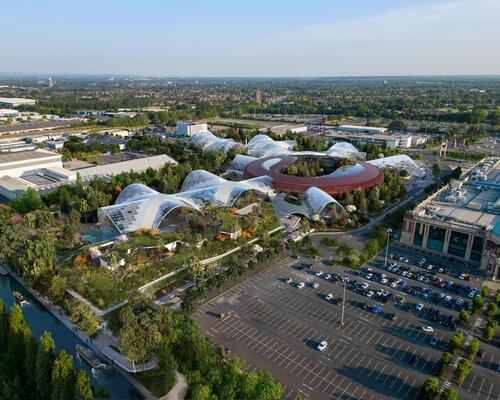
Therme Manchester’s 28-acre development, which will include interconnected glass pavilions that measure 65,000sq m, will
The Yard Gym (TYG) is to become Nike Training’s official global training partner in a
Everlast Gyms' York site has reopened following a refurbishment to bring it up to the
Xplor Fitness & Leisure
As healthcare continues to shift towards prevention, there’s a growing focus on helping people stay
Luxury hospitality and wellness pioneer Jeremy McCarthy has launched Leisure Alchemy, a digital platform that
A contrast therapy and breathwork facility called Reset has opened in Islington, London, in the
1 - 20 of 12,300
HCM promotional features
Sponsored
Starpool supports Olympic champion Marcell Jacobs, says Riccardo Turri
HCM promotional features
Sponsored
Third Space partnered with IndigoFitness to deliver a bespoke training space for its new club at The Whiteley
HCM promotional features
Sponsored
SnowDome Fitness has added 50 per cent more space with cutting-edge Technogym solutions
HCM promotional features
Sponsored
Find out how your gym can tap into the corporate wellness boom
HCM promotional features
Sponsored
Greg Bradley looks at the shift towards strength training in gyms and advises on how operators can create the ultimate training environment
HCM promotional features
Sponsored
David Lloyd is stepping up its commitment to women’s health as it continues to explore what fit-for-purpose looks like for the female population
HCM promotional features
Sponsored
EGYM has opened a new HQ in Paternoster Square, London and revealed a range of new launches
HCM promotional features
Sponsored
The industry is embracing consumer-facing tech. Now it’s time to streamline back-of-house systems with Orbit4, says Daniel Jones
HCM promotional features
Sponsored
Active IQ is calling for greater accountability in online fitness advice with the launch of a new trustmark
HCM promotional features
HCM magazine
Raphael Cuomo explores the powerful link between addiction, health and behaviour change
HCM magazine
Collaborations with the medical profession and greater aspirations around wellbeing are creating a need for more experts in our sector. It’s time to reboot our thinking around the workforce
HCM magazine
If the health service is to survive, we must recognise that it is a disease service – and that wellbeing rests with us, says the activity advocate and healthy ageing champion. He talks to Kate Cracknell
HCM magazine
Strength training is evolving, driven by changing consumer preferences. Julie Cramer talks to innovators about how their products are meeting this demand
HCM magazine
As the entrepreneur who started Wexer, Fresh Fitness, Fitness DK and Repeat, as well as being a former elite athlete, Rasmus Ingerslev’s life looked perfect from the outside, but onthe inside it was a different story. He talks to Kath Hudson about healing old wounds
HCM magazine
I experienced a blissful feeling of joy I hadn’t felt since I was a kid
HCM magazine
For every member with a tripod and a big following, there are others irritated at the way equipment is being hogged or wary they’ll be in the background on someone’s Insta feed. Do influencers offer valuable, free marketing or are they just a nuisance? Kath Hudson finds out how operators are responding
HCM magazine
HCM People

Stephen Price

Founder, SP&Co Group
Working in public health over the last few years has lit up parts of my brain again
HCM magazine
Small improvements to sleep, diet and physical activity have major benefits for the heart, according to new research from the University of Sydney
HCM magazine
Consolidation, specialisation and shifting consumer behaviours are reshaping the sector, say Deloitte and EuropeActive
HCM magazine
Julie Cramer highlights recent health club flooring upgrades, as top suppliers give their advice
HCM magazine
Opinion
promotion
Strength training has moved from the margins to the mainstream.
Opinion: Building smarter strength spaces for today’s operators
Featured supplier news
Featured supplier news: Elevate 2026 to mark 10-year anniversary with biggest ever waterfront drinks reception
Elevate is set to celebrate its 10th anniversary in style this June, with organisers confirming the event’s largest-ever drinks reception as registrations continue to run more than 10% ahead of last year.
Featured supplier news
Featured supplier news: Supporting long-term health: why whole body vibration belongs in clinical settings
As healthcare continues to shift towards prevention, there’s a growing focus on helping people stay active, independent and feeling good for longer.
Company profiles
Company profile: Epassi UK
For the last 23 years they have been on a mission to create a fitter, ...
Company profiles
Company profile: Speedflex (UK & Ireland) Limited
Speedflex offers safe and effective, high intensity, low impact HIIT training in a variety of ...
Supplier Showcases
Supplier Showcase - Future-proofing
Catalogue Gallery
Click on a catalogue to view it online
Featured press releases
GLL press release: GLL joins National Year of Reading as research reveals books beat social media for post-exercise recovery
GLL, the charitable social enterprise operating Libraries and Leisure Centres across the UK, has today (9 June 2026) announced that it will be supporting the National Year of Reading as a major campaign partner alongside national organisations, including BBC Sport, Audible, DC Thomson and Tesco.
Featured press releases
BLK BOX press release: Inside the build: Ironbound. Turning an empty underground space into a thriving functional fitness facility
When brothers Patrick and Kevin first approached BLK BOX, they had a vision and an unusual space. Beneath a building in Embrach, Switzerland, sat an underground facility with huge potential. What it needed was the right layout, the right equipment, and a partner who understood functional fitness.
Directory
Water experiences and hydrotherapy solutions
Aquaform s.r.l.: Water experiences and hydrotherapy solutions
Hot tubs
MSpa International Ltd: Hot tubs
Fitness tracking platform
SpiviTech: Fitness tracking platform
Industrial washing machines
Miele Company Limited: Industrial washing machines
Spa and beauty equipment
Oakworks Inc: Spa and beauty equipment
Lockers
Crown Sports Lockers: Lockers
Property & Tenders
Stratford, East London.
Lee Valley Regional Park Authority
Property & Tenders
Y Felinheli, LL56 4QN
Newmark
Property & Tenders
Diary dates
13-13 Jun 2026
Worldwide, Various,
Diary dates
21-24 Sep 2026
The Langham Huntington Pasadena , Pasadena, United States
Diary dates
06-08 Oct 2026
Messe Stuttgart, Stuttgart, Germany
Diary dates
22-22 Oct 2026
QEII Conference Centre, London,
Diary dates
26-29 Oct 2027
Koelnmesse Exhibition Centre, Cologne, Germany
Diary dates
Search news, features & products:
Find a supplier:
Les Mills
Les Mills